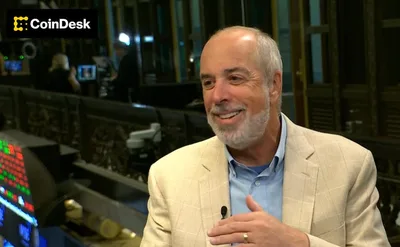
21Shares Co-Founder: Tokenization Hype Ahead of Wall Street Reality
A crypto ETF pioneer says enthusiasm for tokenizing real-world assets is moving faster than institutional infrastructure can support.
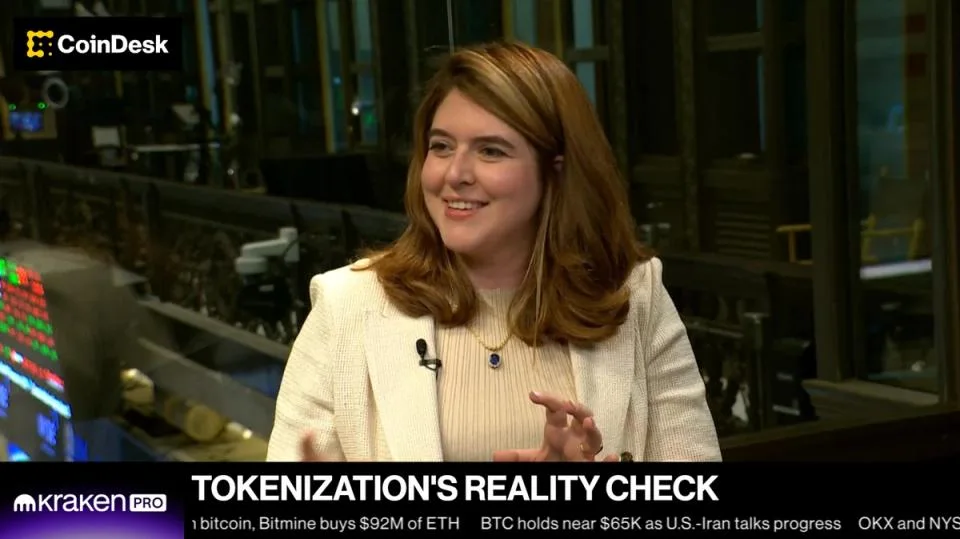
The tokenization of real-world assets has become one of the most talked-about themes in digital finance, attracting bold predictions from banks, asset managers, and blockchain startups alike. But at least one veteran of the crypto capital markets space is urging caution: a co-founder of 21Shares, the firm behind some of the world's earliest crypto exchange-traded products, has publicly warned that the narrative is running well ahead of what Wall Street can actually deliver today.
The concern is structural rather than skeptical. Tokenization — the process of representing ownership of assets like bonds, real estate, or private equity on a blockchain — promises to unlock liquidity, reduce settlement times, and democratize access to previously illiquid markets. Those benefits are real in theory, but the legal frameworks, custody standards, and interoperability protocols needed to make them work at institutional scale remain incomplete or fragmented across jurisdictions.
Read more Ric Edelman: Crypto's Real Growth Story Isn't the Price →
This is a pattern familiar to anyone who has tracked digital asset cycles closely. Enthusiasm tends to front-run infrastructure. The ETF wrapper for crypto took years of regulatory groundwork before it became viable for mainstream investors, and tokenization faces an analogous set of hurdles — except the complexity is arguably greater because it touches securities law, property rights, and cross-border settlement simultaneously.
The warning carries particular weight coming from an insider. 21Shares has navigated the gap between crypto innovation and traditional finance for years, launching regulated products in Europe long before U.S. markets caught up. That vantage point lends credibility to the argument that good technology alone does not guarantee rapid adoption when institutional compliance, risk, and legal teams remain the gatekeepers.
For investors and market observers, the takeaway is not that tokenization will fail, but that timelines deserve more scrutiny than the current hype cycle suggests. Identifying which parts of the stack — custody, smart contract standards, regulatory clarity — are genuine bottlenecks will matter more than tracking which firms are making the loudest announcements. Continue reading at CoinDesk.