Accenture Stock Drops After Earnings Miss on Outlook and Deal Risks
Accenture shares fell following a disappointing forward outlook and analyst concerns about integration risks tied to newly announced deals.
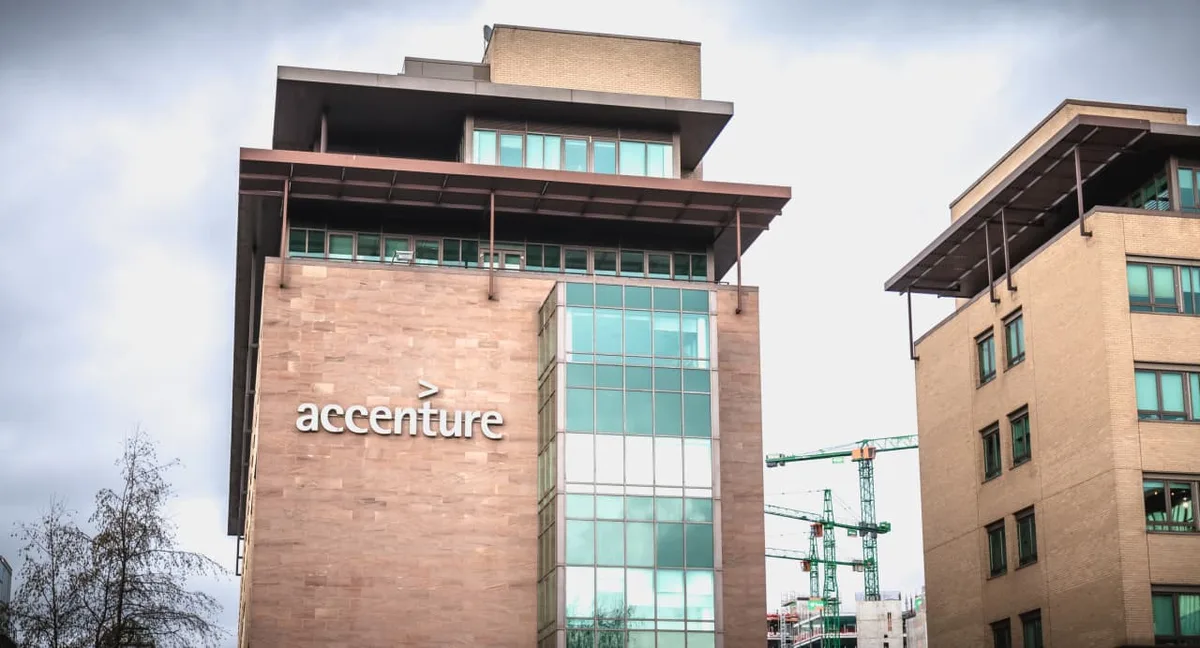
Accenture, one of the world's largest consulting firms, saw its stock slide after a quarterly earnings report that left investors underwhelmed — not necessarily because of what the company delivered in the past, but because of what it projected for the future. The forward guidance came in below Wall Street's expectations, a particularly sensitive miss for a firm whose valuation depends heavily on the market's confidence in steady, predictable growth.
Beyond the headline numbers, at least one analyst raised a more nuanced concern: that recently announced deals could carry significant integration complexity. In the consulting and technology services industry, large acquisitions or partnerships rarely translate cleanly into revenue. The operational work of merging teams, systems, and client relationships can quietly erode margins and delay the synergies that deals are supposed to unlock.
Read more Dollar Index Eyes Major Breakout That Could Pressure Bitcoin →
This dual pressure — a soft near-term outlook combined with skepticism about deal execution — reflects a broader moment of scrutiny for professional services firms. As corporate clients tighten budgets and demand more measurable returns on consulting spend, even blue-chip operators like Accenture face harder questions about growth sustainability. The company's scale, which has long been an asset, can also become a liability when the market wants agility and clarity.
For investors, the selloff is a reminder that in high-multiple stocks, guidance carries as much weight as reported results. A company can beat on earnings and still see its shares decline if the road ahead looks murkier than expected. Accenture remains a dominant force in its industry, but the market is signaling it wants more convincing evidence that its pipeline and deal strategy will convert into durable performance.
Continue reading at MarketWatch.com