Adobe Closes an 18-Year Chapter Under Growing AI Pressure
Adobe marks the end of a significant era as artificial intelligence reshapes the creative software landscape and competitive pressures intensify.
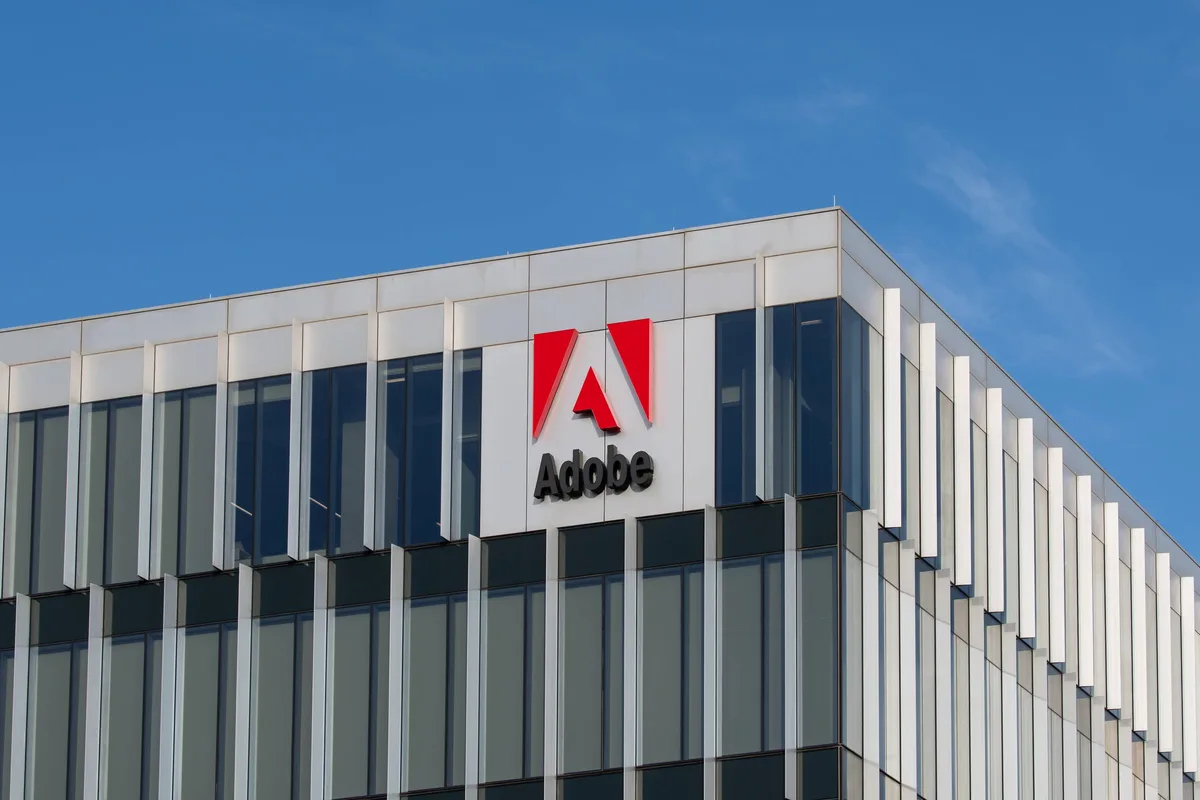
Adobe, the company that for nearly two decades defined the gold standard for creative professionals, is navigating a pivotal inflection point as artificial intelligence fundamentally rewires the software industry. The closure of what Yahoo Finance describes as an 18-year era signals more than a routine corporate transition — it reflects broader structural forces that are reordering how creative tools are built, sold, and used.
For much of its modern history, Adobe's subscription-based ecosystem — anchored by Photoshop, Illustrator, and Premiere Pro — gave the company extraordinary pricing power and customer lock-in. That moat, however durable it once appeared, is now being tested by a new generation of AI-native competitors offering generative image, video, and design capabilities at a fraction of the cost, or in some cases, for free.
Read more Apple Sets iPhone Launch Event Under New CEO John Ternus →
The timing is consequential. Adobe has invested heavily in its own AI suite, branded Firefly, in an attempt to absorb the disruption rather than be displaced by it. Yet integrating AI into a legacy subscription model is a delicate balancing act: move too slowly and cede ground to nimbler rivals; move too aggressively and risk alienating the professional user base that built the brand. The end of this 18-year era appears to mark a strategic reset in how Adobe intends to position itself through that tension.
What makes Adobe's situation analytically interesting is that it mirrors a challenge facing nearly every incumbent software company right now. The question is not whether AI will change the product — it already has — but whether established players can capture the value of that change before it accrues to challengers. Adobe's brand equity and distribution scale remain genuine advantages, but advantages in software have a shorter half-life than they once did.
Continue reading at Yahoo Finance.