AI Computing Power as a Tradeable Commodity: What's at Stake
Efforts to turn AI compute into a futures market could reshape global commodity trading, with some experts drawing parallels to oil.
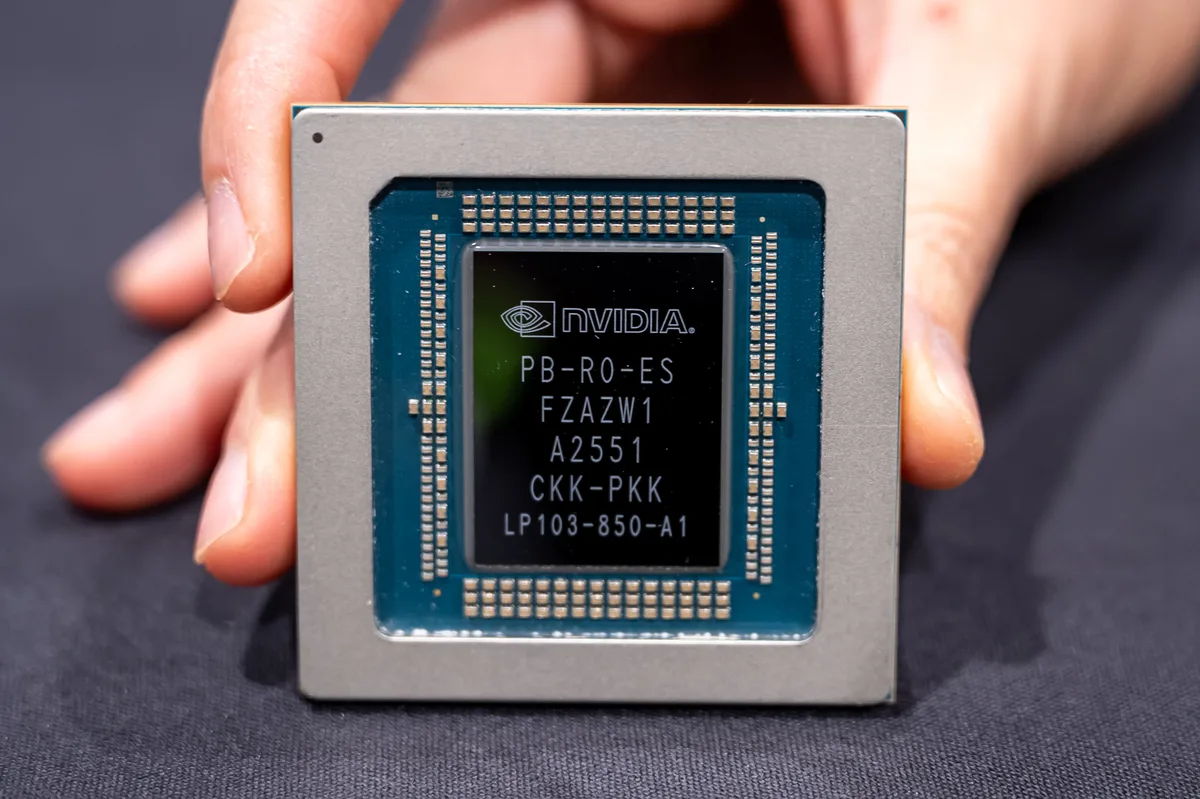
The race to build artificial intelligence infrastructure has sparked an unexpected ambition: transforming raw computing power into a tradeable financial instrument, much like oil, wheat, or natural gas. If proponents are right, AI compute futures could one day sit alongside some of the most consequential commodity markets the world has ever seen.
Carmen Li of Silicon Data is among those leading the charge, arguing that the underlying economics of AI computing — scarce, in fierce demand, and unevenly distributed across the globe — make it a natural candidate for commoditization. The logic mirrors the rationale behind energy futures: when a resource is critical enough and volatile enough in price, markets tend to find a way to standardize and trade it.
Read more Strategy's Dividend Crypto Stock Slides Toward Historic Lows →
The comparison to oil is striking precisely because of what oil futures enabled — price discovery, risk hedging, and a common global benchmark that producers and consumers could both rely on. Applied to AI compute, a functioning futures market could theoretically allow companies to lock in access to GPU clusters months in advance, insulate themselves from price spikes, and give investors a new vehicle for exposure to the AI boom without betting on any single company's stock.
Yet the path from concept to functioning marketplace is far from straightforward. Unlike barrels of crude, units of compute are heterogeneous — an H100 chip is not interchangeable with older hardware, and workloads vary wildly in their requirements. Defining a standardized contract unit, ensuring delivery, and building the regulatory scaffolding would require coordination across chipmakers, cloud providers, and financial regulators. These are non-trivial obstacles that have slowed similar efforts in other emerging asset classes.
Still, the directional pressure is clear: as AI spending accelerates and compute scarcity becomes a geopolitical as well as commercial concern, the incentive to develop sophisticated market mechanisms only grows stronger. Whether AI compute ultimately rivals oil as a commodity benchmark or remains a niche financial product may depend as much on regulatory appetite as on technological standardization. Continue reading at US Top News and Analysis