AutoCamp Bets on Luxury Outdoor Travel With Fresh Capital Raise
AutoCamp is seeking new investment to expand its upscale camping concept, targeting summer travel demand at premier outdoor destinations.
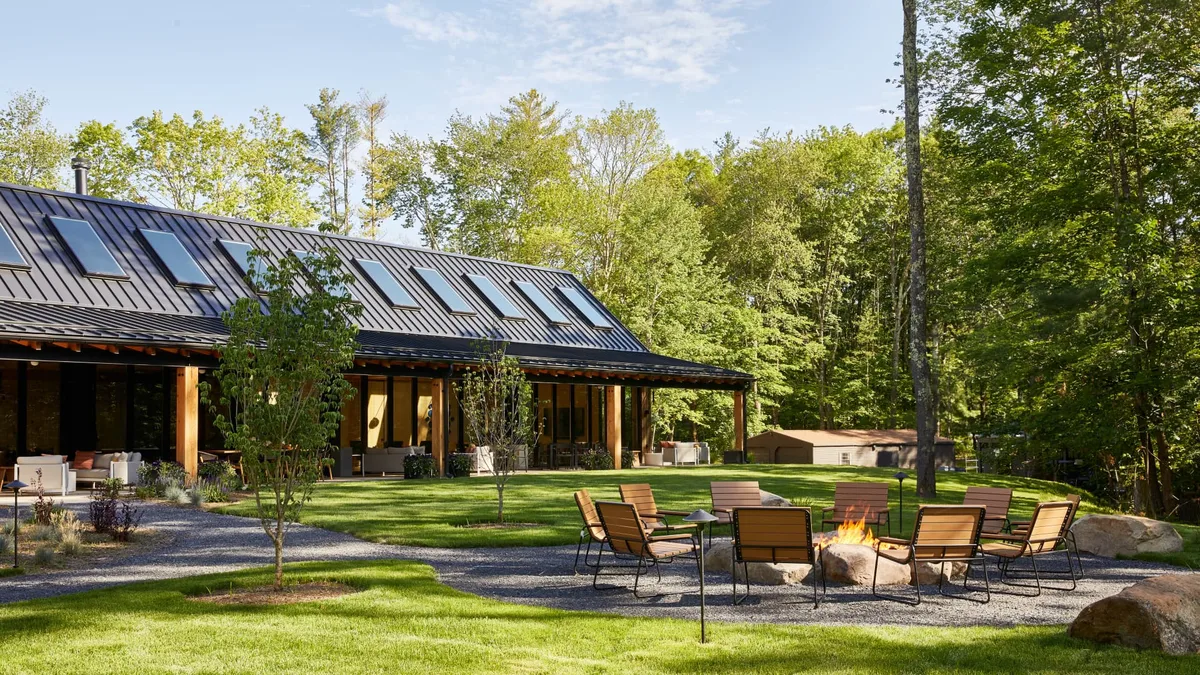
The hospitality industry has spent years chasing the intersection of comfort and wilderness, and AutoCamp has positioned itself squarely at that crossroads. The brand offers guests a curated outdoor experience built around Airstream suites, architect-designed cabins, and fire pit gatherings — all set against the backdrop of some of America's most celebrated natural landscapes. It is a formula that blends boutique hotel sensibility with the cultural cachet of the great outdoors.
Now the company is moving to raise fresh capital, a signal that leadership believes the moment is right to accelerate growth. The timing is deliberate: summer travel remains one of the most resilient segments of consumer spending, even as broader economic uncertainty clouds other discretionary categories. By launching a capital raise ahead of peak season, AutoCamp is attempting to leverage demonstrated seasonal demand as a proof point for investors.
Read more Jeff Bezos' Family Office Emerges as Top AI Startup Backer in 2025 →
The luxury camping — or "glamping" — sector has matured considerably over the past decade, evolving from a novelty into a recognized hospitality vertical with its own loyal demographic. AutoCamp's design-forward approach targets travelers who want proximity to nature without sacrificing the amenities associated with high-end lodging. Access to iconic outdoor destinations is itself a differentiator, since the brand's real estate strategy is as central to its value proposition as the structures sitting on it.
What makes AutoCamp's model analytically interesting is how it straddles asset-heavy hospitality economics with brand-driven premium pricing. Expanding to new locations requires significant capital, but the brand's positioning allows for room rates that compress the payback timeline compared with conventional campgrounds. Whether new investment can help the company scale that model nationally — without diluting the curation that defines its appeal — is the central question its growth phase must answer.
Continue reading at CNBC