Bank of America Breaks Down Apple's $1,200 iPhone Strategy
Analysts examine what Apple's premium iPhone pricing means for margins, consumers, and the broader smartphone market.
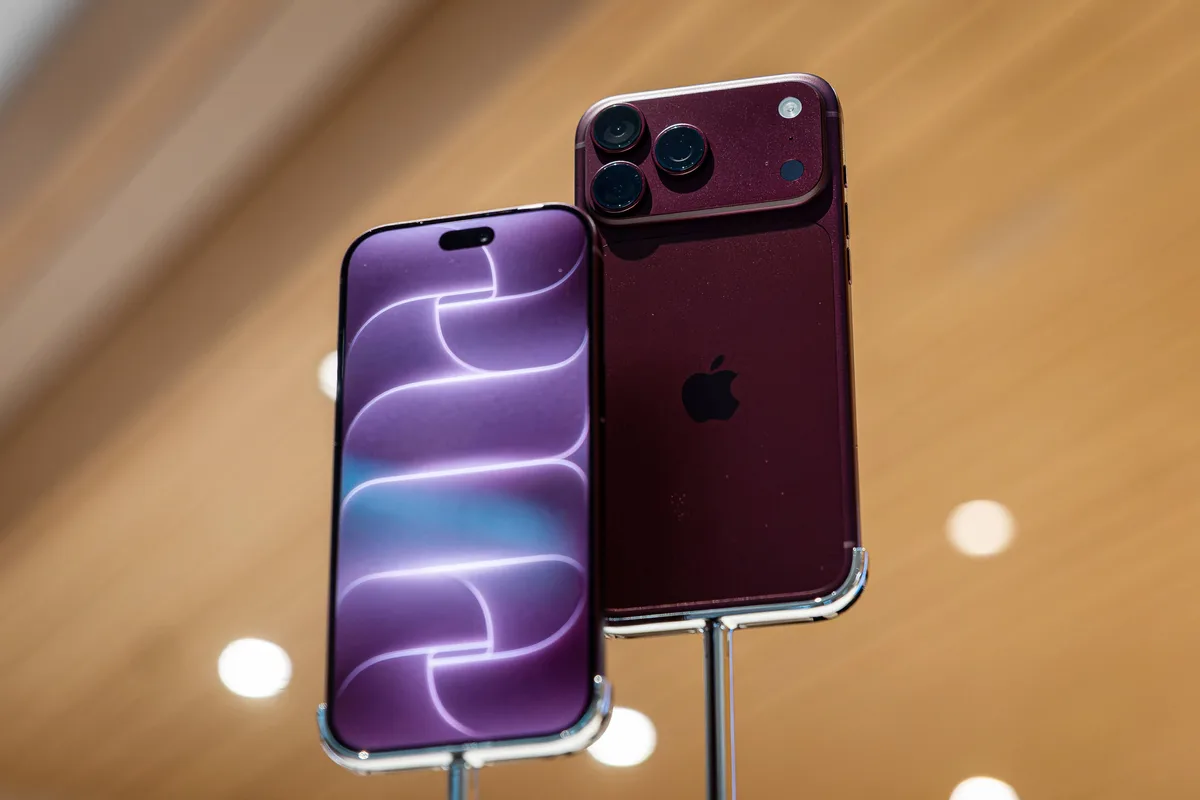
Apple's decision to position a flagship iPhone at the $1,200 price point has drawn scrutiny from Wall Street, with Bank of America analysts stepping in to assess what the number actually means beneath the surface. Premium pricing at this level is not simply a revenue grab — it reflects a calculated bet on brand loyalty, ecosystem lock-in, and the willingness of a core consumer base to absorb higher costs in exchange for perceived quality and integration.
Bank of America's analysis suggests the math behind such an offer involves more than sticker price arithmetic. When trade-in values, carrier subsidies, and installment financing are layered in, the effective out-of-pocket cost for many buyers drops considerably — a dynamic Apple has long leveraged to make aspirational price tags feel accessible without formally cutting prices. This approach protects gross margins while sustaining the premium perception the brand depends on.
Read more Ferguson Outperforms Despite a Stubbornly Weak Housing Market →
For Apple, maintaining pricing discipline at the high end of the market serves a dual purpose: it keeps average selling prices elevated even as unit volume fluctuates, and it signals confidence in the product's value proposition relative to Android competitors encroaching on the premium tier. Analysts watching the smartphone space note that rivals have struggled to match Apple's ability to command and hold these price levels across upgrade cycles.
The broader implication for consumers is a market in which the flagship smartphone has quietly become a four-figure purchase, normalized through financing structures that obscure the total cost. Whether that normalization holds — particularly amid macroeconomic pressure on discretionary spending — remains a key variable for Apple's near-term performance. Bank of America's breakdown offers a useful lens for understanding how Apple engineers perception as skillfully as it engineers hardware.
Continue reading at Yahoo Finance.