Bitcoin Accumulation Surges as Buyers Absorb 250K BTC in Key Range
On-chain data shows buyers added more than 250,000 BTC between $59,000 and $67,000, signaling renewed accumulation pressure.
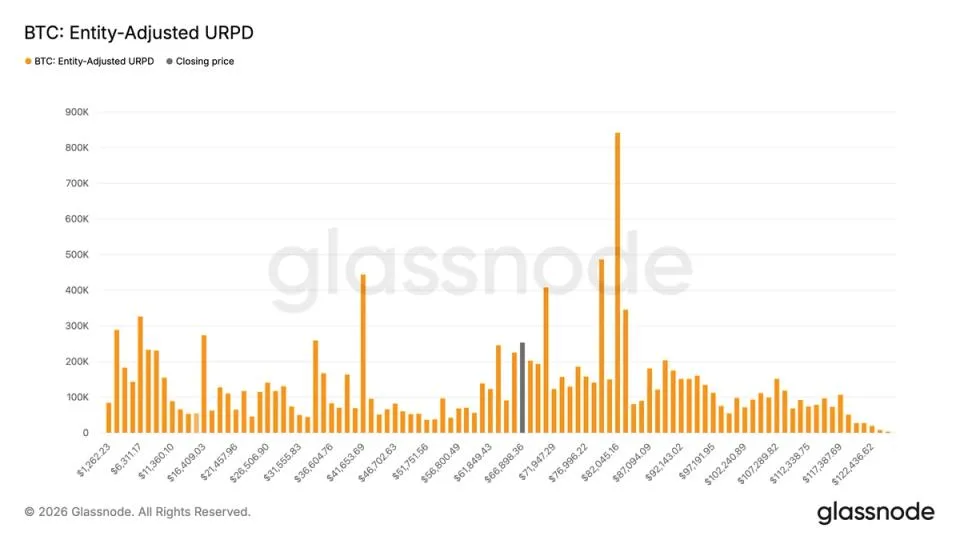
Bitcoin's market structure is flashing a familiar signal: patient accumulation at prices well below recent peaks. According to CoinDesk, buyers have absorbed more than 250,000 BTC within the $59,000-to-$67,000 price corridor, a zone that analysts often watch as a gauge of long-term holder conviction. When large quantities of coins change hands and stay off exchanges, it typically suggests buyers intend to hold rather than flip for short-term gains.
The significance of this range extends beyond raw numbers. The $59,000-$67,000 band represents a contested battleground where sellers who bought near prior highs meet fresh demand from buyers willing to build positions at what they view as a discount. Heavy accumulation within that band can create a demand wall — a price floor reinforced by the cost basis of thousands of wallets — that historically makes sustained breakdowns below it more difficult to achieve.
Read more Strategy's Dividend Crypto Stock Slides Toward Historic Lows →
This kind of on-chain behavior tends to precede periods of reduced volatility followed by directional moves, though the direction itself is never guaranteed. What the data does suggest is that a meaningful cohort of market participants views current prices as attractive enough to deploy significant capital. That posture contrasts with the capitulation-driven selling that characterizes true bear-market bottoms, where accumulation data collapses rather than rebounds.
For retail investors watching from the sidelines, the pattern raises a practical question: does institutional or whale-level accumulation at a given price range validate that range as support, or does it merely reflect sophisticated actors averaging into a still-declining asset? History offers examples of both outcomes, which is why on-chain metrics are best read alongside macro conditions, liquidity trends, and broader risk appetite rather than in isolation.
Continue reading at CoinDesk.