Bond Market Volatility Signals a Lasting Shift in Rate Dynamics
Unusual bond market swings are drawing attention as incoming Fed Chair Kevin Warsh signals he may let markets lead on rates.
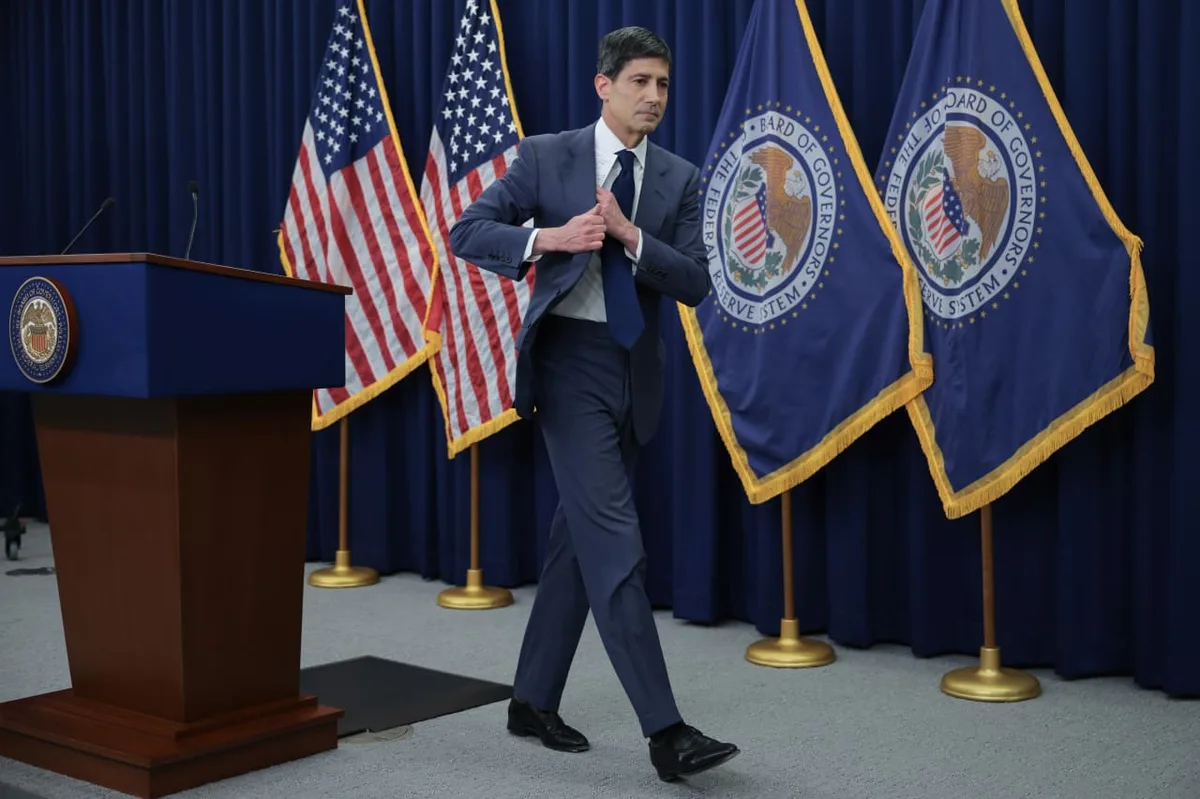
Something notable is happening in the bond market, and analysts say it is not a fleeting anomaly. Volatility in U.S. Treasuries has spiked in ways that break from recent patterns, prompting a broader conversation about whether the fixed-income market is reasserting its traditional role as the economy's most powerful disciplinarian — one that can tighten financial conditions without the Federal Reserve having to lift a finger.
At the center of this shift is Kevin Warsh, the expected next chair of the Federal Reserve. Warsh has long been associated with a philosophy that gives bond markets considerable deference, suggesting he would be comfortable allowing rising yields to do the heavy lifting of cooling the economy rather than relying exclusively on the Fed's benchmark interest rate as a blunt instrument. That posture, if it holds, would represent a meaningful departure from the more interventionist posture investors grew accustomed to under recent Fed leadership.
Read more Ric Edelman: Crypto's Real Growth Story Isn't the Price →
The practical implication is significant. When bond markets move aggressively — driving up yields and raising borrowing costs across mortgages, corporate debt, and government financing — they effectively act as a shadow rate hike. A Fed chair willing to tolerate that dynamic, rather than counter it with reassuring forward guidance, hands the market a larger role in monetary policy than it has played in years. That can amplify volatility rather than dampen it.
For everyday investors and borrowers, the message is that the era of a reliably calm Treasury market — backstopped by a Fed ready to smooth disruptions — may be giving way to something more turbulent and less predictable. Analysts quoted in the underlying report suggest this volatility "is here to stay," a phrase that carries real weight for anyone pricing long-duration assets or planning around borrowing costs over the next several years.
Whether Warsh's approach ultimately reduces inflation pressures more efficiently or simply redistributes risk onto market participants remains an open question — but the bond market appears to be pricing in a new regime already. Continue reading at MarketWatch.com