Brazilian Senator Urges Trump to Hold Off on Tariffs Before Elections
A Brazilian lawmaker has reportedly appealed to Donald Trump to delay tariff actions ahead of upcoming elections, signaling political tensions over trade.
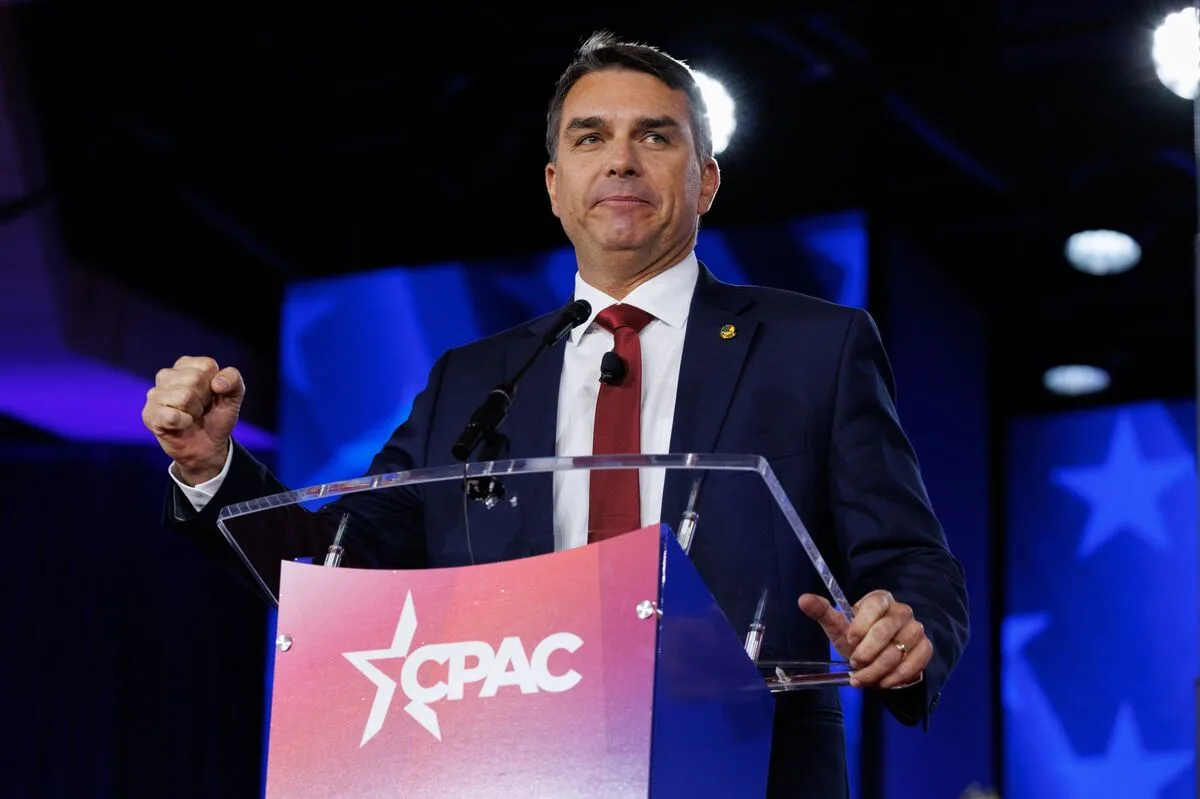
A Brazilian senator identified as Flávio has made a direct appeal to former U.S. President Donald Trump, asking that new tariff measures be held off until after upcoming elections, according to a Bloomberg report. The request underscores how the prospect of renewed U.S. trade pressure is already rippling through the political calculations of American allies and trading partners long before any formal policy is enacted.
The appeal reflects a broader pattern emerging across Latin America and beyond, where political leaders are seeking informal diplomatic channels to manage the economic uncertainty that follows Trump's return to the global stage. Tariffs, even when merely threatened, can rattle currency markets, suppress investment, and reshape the electoral math for incumbent governments facing cost-of-living pressures.
Read more New Hampshire Gov. Ayotte Vetoes Nine Bills, Blocks Book Ban and Toll Hike →
Brazil's economy remains deeply intertwined with global commodity flows, and any escalation in U.S. trade barriers could complicate the country's export outlook at a politically sensitive moment. The timing of such measures — relative to election cycles — is not a trivial concern: economic shocks delivered in the months before voters go to the polls tend to have outsized and lasting political consequences.
While the specifics of the reported conversation between Flávio and Trump have not been fully disclosed, the very existence of such a back-channel request signals how seriously Brazilian political figures are weighing the downstream risks of U.S. trade policy shifts. It also illustrates the degree to which Trump's tariff agenda functions as a form of leverage — shaping foreign behavior even before any executive order is signed.
The episode is a reminder that trade policy is never purely economic; it is deeply entwined with electoral politics, diplomatic relationships, and the often-invisible negotiations that happen well outside formal summits. Continue reading at bloomberg.