Central Banks Keep Buying Gold and Rethinking Storage
Global central banks remain committed to gold accumulation and are taking new steps to store reserves securely, a trend that drove prices to records.
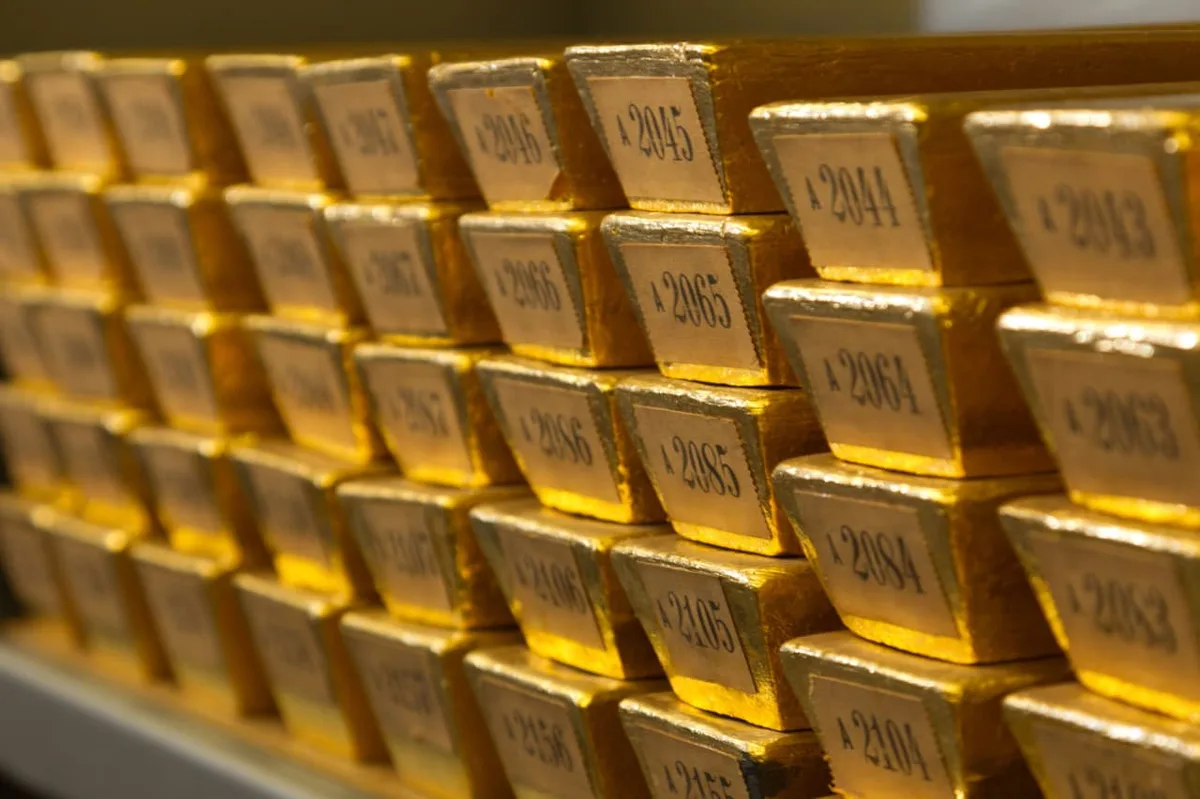
Gold's record-breaking run earlier this year was not a fluke driven by retail speculation or algorithmic momentum — it had a more durable engine underneath it. Central banks around the world have been steadily accumulating gold, and that institutional demand was a primary force behind Comex prices briefly surpassing $5,600 an ounce in late January, reaching all-time intraday highs.
What makes this trend analytically significant is its staying power. Unlike hedge fund positioning or ETF flows, which can reverse sharply on macro sentiment shifts, central bank gold buying reflects deliberate, long-horizon reserve diversification strategies. These institutions are not trading gold; they are storing value and reducing reliance on any single reserve currency — a policy posture that has only deepened in the post-pandemic, post-Ukraine sanctions environment.
Read more Strategy's Dividend Crypto Stock Slides Toward Historic Lows →
The storage dimension of this story adds another layer of strategic intent. As central banks expand their physical gold holdings, the question of where and how to safely custody those reserves becomes operationally complex. Historically, much sovereign gold has been held abroad — at the Bank of England, the Federal Reserve Bank of New York, or the BIS — but a growing number of countries have been repatriating reserves or exploring domestic and alternative vaulting arrangements, a shift that speaks to broader concerns about geopolitical risk and asset accessibility.
Even though Comex gold has not revisited its late-January peak in the months since, the underlying demand dynamic from central banks has not meaningfully deteriorated. That resilience suggests the floor beneath gold prices may be sturdier than in previous cycles, when institutional buying was less coordinated and less geopolitically motivated. For markets watching gold as a sentiment indicator, the central bank accumulation story reframes it as something closer to a structural realignment in global reserve management.
Continue reading at MarketWatch.com