China Expands Export Curbs on Japan's Defense and Nuclear Sectors
Beijing blacklisted four Japanese defense research institutes and tightened export controls on dozens more firms in a significant escalation.
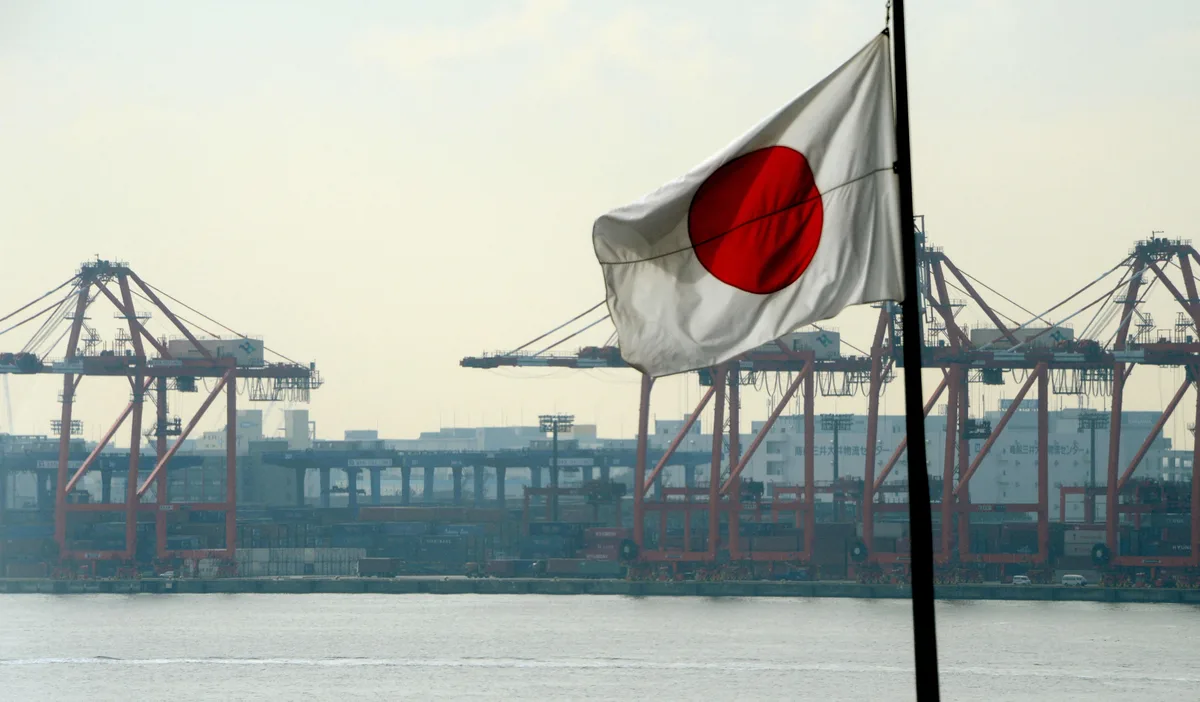
China significantly broadened its export restrictions targeting Japan on Monday, blacklisting four government defense research institutes and placing dozens of additional Japanese companies under tightened controls. The move marks a notable escalation in economic pressure between the two neighboring powers, extending Beijing's reach into Japan's drone manufacturing, nuclear energy, and defense research ecosystems.
The decision to specifically target government-affiliated defense institutes — rather than purely commercial entities — signals a deliberate strategic calculus by Beijing. By restricting the flow of Chinese materials and components to state-linked research bodies, China is effectively attempting to constrain the upstream research pipeline that feeds Japan's defense modernization efforts, which have accelerated sharply in recent years under Tokyo's revised national security strategy.
Read more Lebanese Official Rejects US-Israel Deal, Warns of Internal Rift →
For Japanese drone makers and nuclear firms caught in the expanded restrictions, the practical consequences could be considerable. Supply chains that rely on Chinese rare materials, components, or technology may face disruption, forcing companies to accelerate diversification toward alternative suppliers in allied nations — a process that is costly and time-consuming even under the best conditions.
The timing is also analytically significant. Japan has been deepening defense cooperation with the United States and expanding its own military budget toward a historic two-percent-of-GDP target. China's export curbs can be read as a form of economic signaling — a warning that closer Japan-US security alignment carries tangible commercial costs, even if the measures stop well short of a full trade rupture between the two countries, which remain deeply economically intertwined.
Analysts will be watching closely to see whether Tokyo responds with reciprocal measures or diplomatic outreach, and whether this latest round of restrictions prompts broader conversations among US-allied nations about reducing strategic dependence on Chinese supply chains in sensitive sectors. Continue reading at US Top News and Analysis.