China Plans $54 Billion Bank Injection, but Markets Stay Skeptical
Beijing announced a major capital infusion into state banks and insurers, yet share prices fell — signaling investor doubt about the plan's impact.
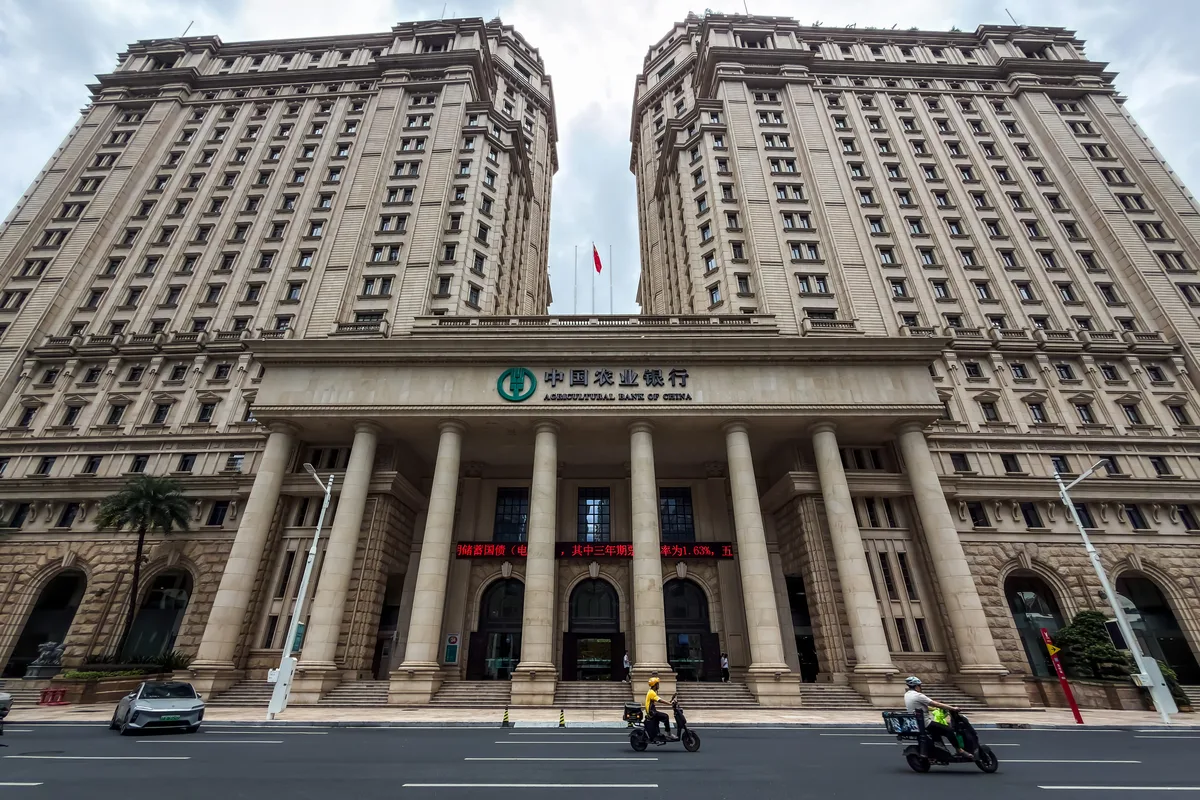
China's government has pledged to inject approximately $54 billion into its major state-owned banks and insurance companies, framing the move as a strategic effort to shore up the financial system and give institutions the firepower needed to support a slowing economy. The announcement represents one of the more significant recapitalization efforts Beijing has undertaken in recent years, targeting the foundational pillars of the country's state-controlled financial sector.
Despite the scale of the pledge, equity markets responded with notable skepticism. Shares in the very institutions set to benefit from the capital infusion declined following the news — a counterintuitive reaction that speaks volumes about how investors are interpreting Beijing's intentions. A capital boost of this size typically signals confidence and stability, yet the market's muted reception suggests deeper concerns about the underlying health of these institutions or the broader economic environment they operate in.
Read more Treasury Yields Near 4.8% Threshold That Could Rattle Markets →
Analysts point to a consequential subtext embedded in the announcement: with larger capital cushions, these financial institutions may face increased pressure from policymakers to mobilize resources in capital markets. In other words, the recapitalization may come with an implicit expectation that banks and insurers will deploy that capital in ways directed by the state — funding infrastructure, supporting struggling sectors, or underwriting government-backed initiatives. That prospect can weigh on profitability outlooks and dampen investor enthusiasm even when headline numbers appear generous.
The episode illustrates a recurring tension in China's economic management — the gap between top-down policy announcements and market-level confidence. State-directed capital injections can serve genuine stabilizing functions, but they also raise questions about return on equity, loan quality, and the degree to which commercial logic governs lending decisions. For international investors in particular, the calculus grows more complicated when the line between policy bank and commercial bank continues to blur.
Whether the recapitalization ultimately translates into stronger financial system performance or simply redistributes risk within a state-managed framework remains an open question — and one that markets appear unwilling to answer optimistically just yet. Continue reading at US Top News and Analysis.