Chinese Fraud Rings Are Stealing Billions via Tap-to-Pay Schemes
Organized crime groups from China are generating up to $1 billion per year exploiting contactless payment systems at retailers and banks.
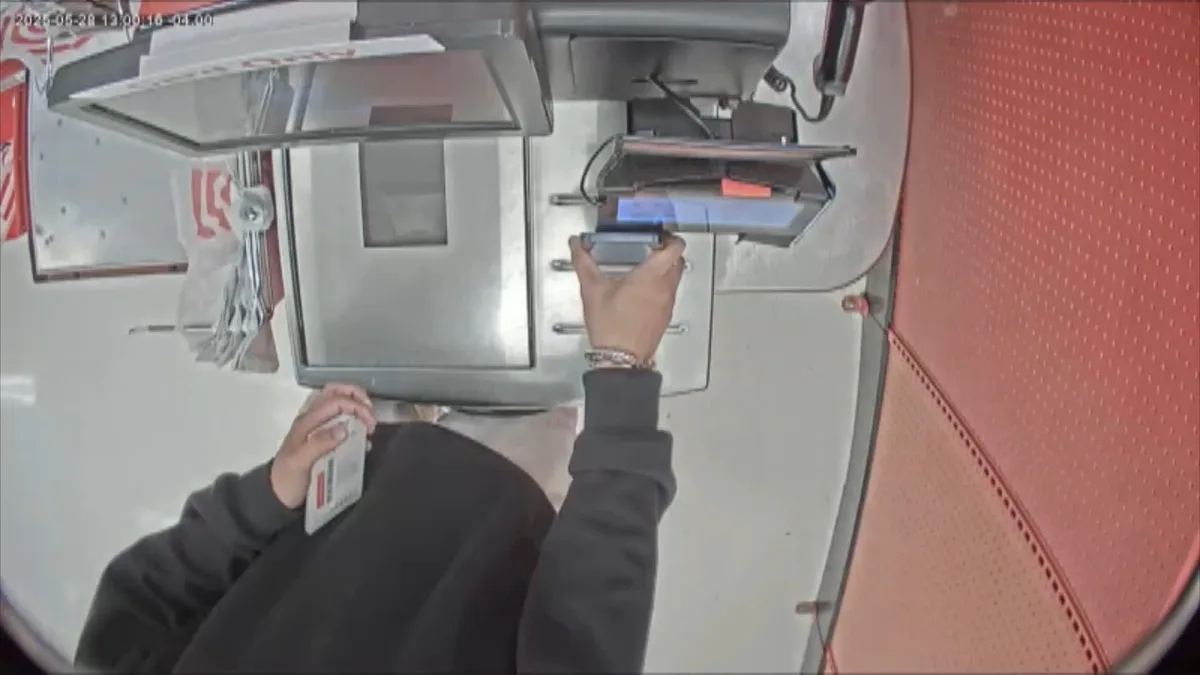
A sophisticated wave of financial crime is quietly draining billions from American retailers and banks, with Chinese organized crime rings at the center of a sprawling tap-to-pay fraud operation. According to reporting from US Top News and Analysis, these groups are generating as much as $1 billion annually — a figure that underscores how dramatically the threat landscape has shifted as contactless payments have become mainstream in everyday commerce.
Tap-to-pay technology, which allows consumers to complete transactions by holding a card or phone near a reader, was designed to be more secure than traditional magnetic stripe cards. Yet that convenience has apparently created new vectors for exploitation. Organized networks have found ways to weaponize the system at scale, targeting both the retail point-of-sale environment and financial institutions that process these transactions.
Read more FAA Restores Boeing's Authority to Self-Certify 737 Max and 787 →
What makes this category of fraud particularly alarming for financial security analysts is its organizational depth. These are not opportunistic actors working alone — they represent structured criminal enterprises with the operational sophistication to sustain and grow revenue streams into the hundreds of millions annually. That level of coordination suggests supply chains for fraudulent credentials, recruitment networks, and likely money-laundering infrastructure to move illicit proceeds across borders.
For consumers, the immediate risk may feel abstract, but the downstream effects are concrete: higher fraud-related costs absorbed by retailers often translate into price increases, and banks managing elevated chargeback volumes face pressure on margins that can ripple into tighter lending conditions or reduced account benefits. The burden, as with most financial fraud, is ultimately socialized across the broader economy.
Authorities and financial institutions face a dual challenge — modernizing fraud detection systems fast enough to keep pace with criminal innovation, while also coordinating internationally to disrupt networks that operate across jurisdictions. As tap-to-pay adoption continues to grow, the urgency of that response will only intensify. Continue reading at US Top News and Analysis.