Chip Industry Cautions Washington on Memory Shortage Response
A semiconductor trade group is urging the US government to avoid heavy-handed intervention in addressing the ongoing memory chip shortage.
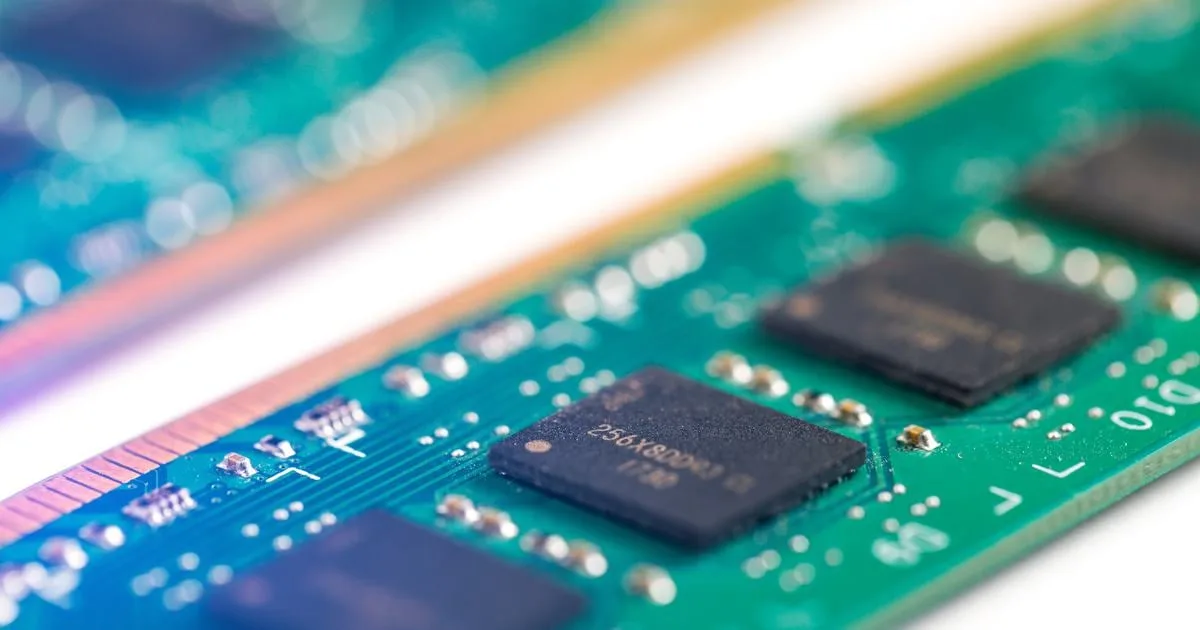
A prominent chip industry association is pushing back against what it sees as an overly interventionist posture by the US government toward the global memory chip shortage, arguing that market-driven solutions should take precedence over top-down policy measures. The warning reflects growing tension between Washington's instinct to act decisively on supply chain vulnerabilities and the semiconductor sector's preference for industry-led remedies.
The concern is not simply procedural. Memory chips are foundational components in everything from smartphones and data centers to automobiles and medical devices, meaning any policy misstep could ripple across virtually every technology-dependent sector of the American economy. Industry groups have historically resisted government micromanagement of chip procurement and production, fearing that well-intentioned mandates could distort investment signals and crowd out private capital.
Read more New Hampshire Gov. Ayotte Vetoes Nine Bills, Blocks Book Ban and Toll Hike →
The debate arrives at a particularly sensitive moment. Congress has already committed substantial federal resources to domestic semiconductor manufacturing through legislation aimed at rebuilding US chipmaking capacity, and the executive branch has shown an appetite for further involvement in supply chain management. Against that backdrop, the industry's call for restraint carries both economic and political weight — a reminder that government intervention, even when well-meaning, can introduce its own inefficiencies into complex global supply networks.
What the industry appears to want most is a collaborative framework rather than a command-and-control one: government support for research, workforce development, and trade diplomacy, without direct interference in production decisions or allocation priorities. Whether policymakers will heed that distinction remains an open question as pressure mounts to demonstrate tangible progress on chip availability.
Continue reading at sdxcentral (charlotte trueman this article originally appeared).