Crafter Turns Closed Joann Store Into Festival Dream With $24K
An events producer saved $24,000 to launch a craft festival inside a shuttered Joann store, turning retail vacancy into creative community space.
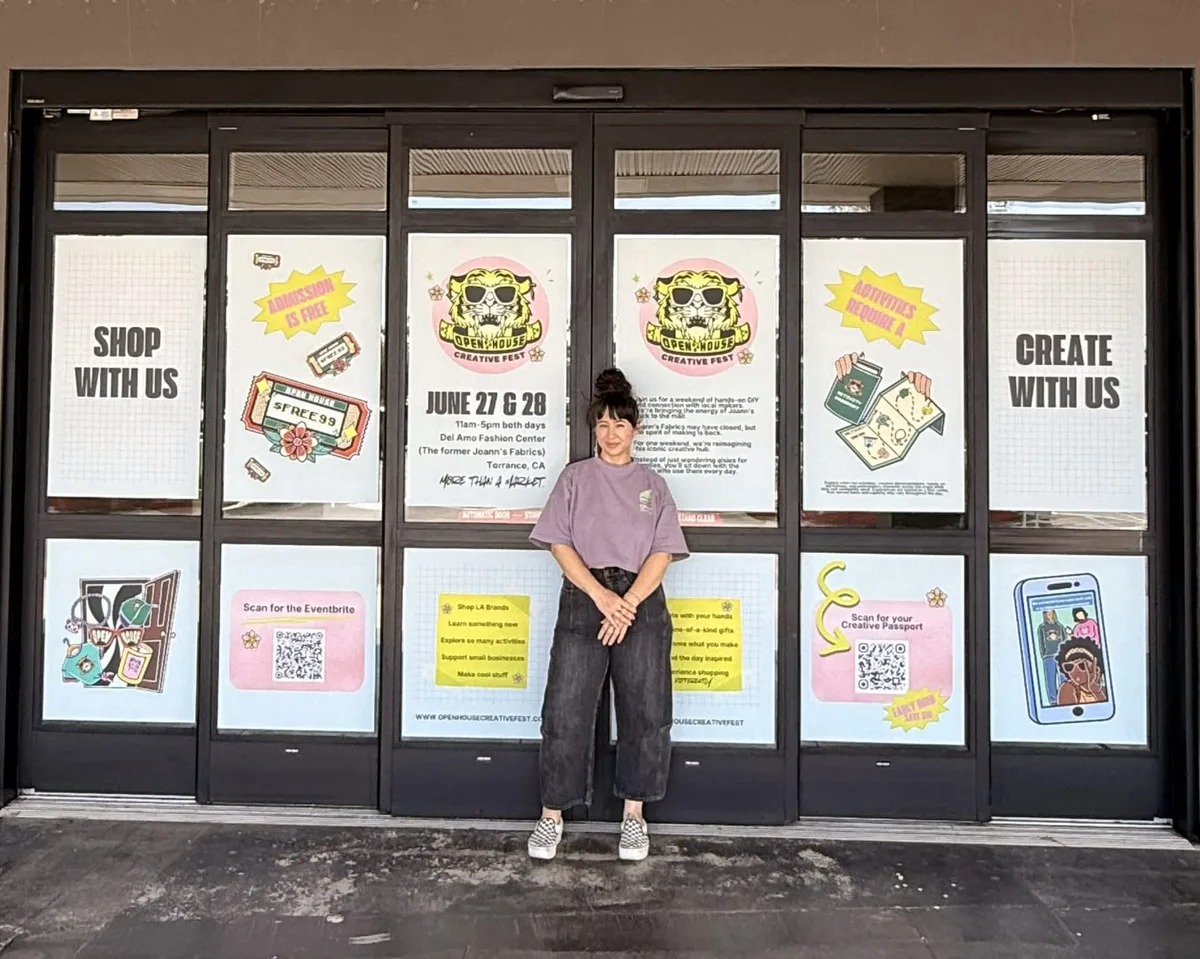
When Joann Stores began closing locations across the country, most observers saw empty retail square footage. Tetef, a seasoned events producer, saw something else entirely — a ready-made venue for the kind of hands-on, communal crafting experience she had long envisioned but never quite found in the marketplace.
Tetef saved $24,000 to bring her concept to life, channeling years of events industry experience into a festival built around a deceptively simple premise. "I just want to go to a thing where everyone's sitting down making stuff," she said — a vision that speaks to a broader cultural appetite for analog, tactile creativity in an increasingly screen-saturated world.
Read more Alibaba Enters Physical AI Arena With New Robotics Models →
The choice of a former Joann location carries its own symbolic weight. Joann was itself a cornerstone of American craft retail for decades, and its store closures left a vacuum not just in shelf space but in community identity for hobbyists and makers. Repurposing that footprint for a live craft festival represents a kind of continuity — keeping creative energy alive in spaces that once served the same general audience.
For Tetef, the project is deeply personal. "This is my dream come true," she said, framing the festival less as a business venture and more as the realization of something she genuinely wanted to attend herself. That consumer-first instinct — building the event you wish existed — is a hallmark of successful grassroots creative enterprises, and it gives her concept an authenticity that purpose-built commercial events often struggle to manufacture.
Whether the model proves scalable remains to be seen, but at its core the story reflects a wider trend: entrepreneurs and community organizers finding opportunity in the hollowed-out shells of big-box retail, reimagining those spaces as gathering places rather than ghost towns. Continue reading at US Top News and Analysis.