Crypto Regulation Heats Up: What the Summer Push Means
Lawmakers are accelerating crypto legislation this summer, reshaping the regulatory landscape for digital assets across the US.
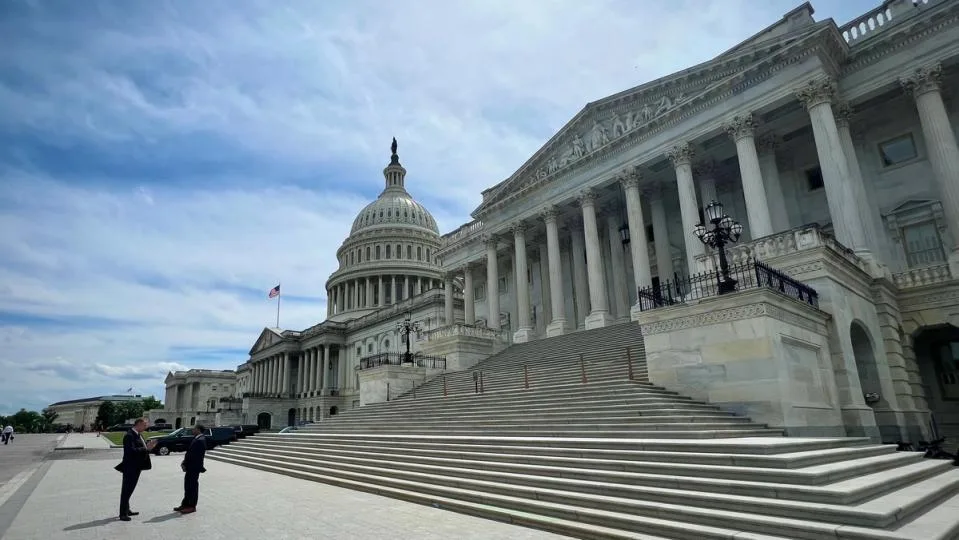
The momentum behind cryptocurrency regulation in the United States has been building quietly for years, but this summer may mark the season when that slow accumulation finally tips into legislative reality. Congressional activity around digital assets is intensifying, with multiple frameworks moving through committees and gaining bipartisan traction that was elusive in prior sessions.
For an industry that has long operated in a patchwork of guidance, enforcement actions, and jurisdictional ambiguity, the prospect of codified federal rules carries enormous consequence. Clear legislation could unlock institutional capital that has remained on the sidelines, while also establishing compliance burdens that smaller players may struggle to absorb — a dynamic that tends to consolidate markets rather than democratize them.
Read more Trump Accounts Offer Free Money for Kids, But Wealth Gap Hurdles Remain →
The regulatory push spans several fronts simultaneously: stablecoin oversight, market structure clarity distinguishing securities from commodities, and anti-money-laundering obligations for decentralized protocols. Each of these threads has its own congressional champion and industry coalition, meaning the final shape of any legislation will reflect considerable negotiation and compromise.
What makes this summer distinct from prior cycles of regulatory optimism is the combination of political will and market pressure. High-profile collapses in the crypto sector over recent years created a consumer-protection narrative that gave legislators cover to act, while the industry itself has matured its lobbying infrastructure enough to participate meaningfully in drafting conversations rather than simply reacting to them.
The outcome will likely define the competitive architecture of US crypto markets for the better part of a decade — determining which activities remain permissible, which intermediaries bear liability, and whether American firms can compete globally or cede ground to friendlier jurisdictions. Continue reading at CoinDesk.