Cyclospora Outbreak Drags Down Hidden Valley Ranch Sales
A summer cyclospora scare is cooling salad consumption, and Clorox's Hidden Valley Ranch brand is feeling the collateral damage.
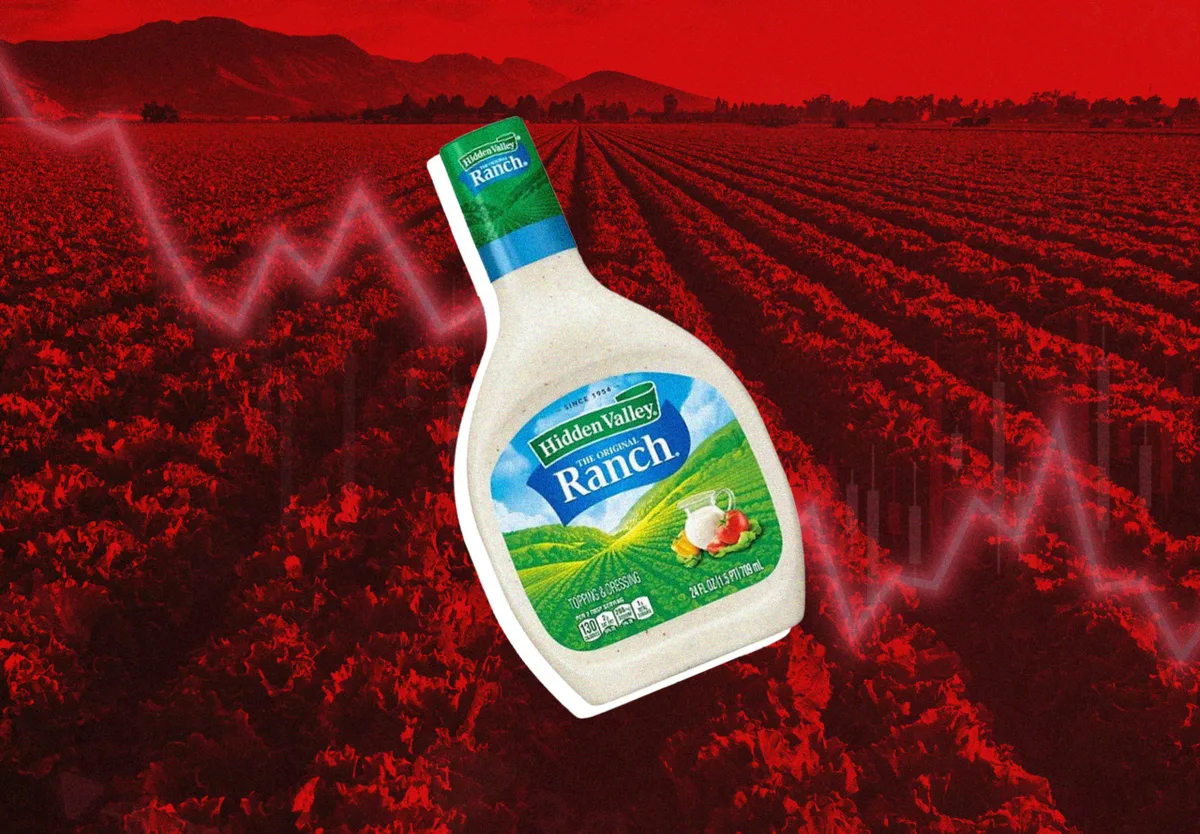
The cyclospora outbreak that swept through the United States this summer did more than unsettle dinner tables — it appears to be rippling into the salad dressing aisle. At least one Wall Street analyst has identified Hidden Valley Ranch, owned by consumer-goods giant Clorox, as a brand caught in the crossfire of consumers pulling back on salad purchases amid food-safety concerns.
Cyclospora is a parasitic infection typically linked to fresh produce, and outbreaks tend to trigger a broad behavioral response from shoppers who may avoid entire food categories rather than just the specific implicated products. When salad consumption drops, so does demand for the dressings that accompany it — a textbook case of how a public-health event can send unexpected tremors through adjacent product segments.
Read more Costco Partners With SCAN Group to Offer Medicare Advantage Plans →
For Clorox, which depends heavily on Hidden Valley as a flagship consumer brand, the timing is particularly sensitive. Ranch dressing commands an outsized share of the American condiment market, and any sustained softness in the salad category represents a meaningful headwind to volumes that the company would ordinarily count on during summer, a peak season for fresh-food consumption.
The episode illustrates a broader vulnerability for food brands whose fortunes are tightly coupled to a single consumption occasion or ingredient category. A food-safety scare that technically has nothing to do with dressing can nonetheless erode sales simply because the ecosystem around a product collapses. For investors watching Clorox, the analyst's read suggests the cyclospora story is not just a produce-industry problem — it has downstream consequences worth monitoring through the company's next earnings disclosures.
Continue reading at MarketWatch.com