Data Center Backlash Tests Governors' Economic Development Deals
A $20 billion Pennsylvania deal is stirring public pushback, exposing tension between corporate deregulation demands and voter skepticism of data centers.
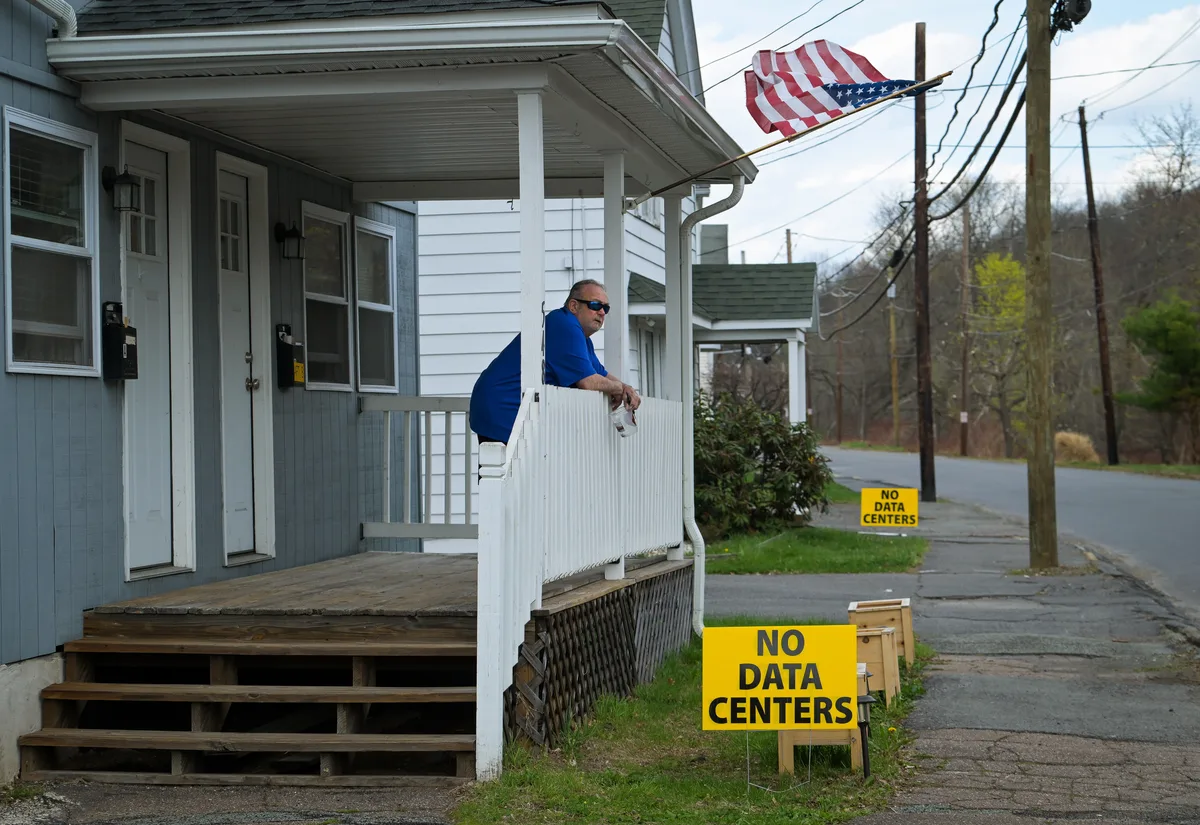
Pennsylvania Governor Josh Shapiro made headlines last June when he announced a $20 billion economic development agreement — the largest in the state's history. Rather than delivering a straightforward political win, the deal has since generated sustained controversy, illustrating a broader national tension that elected officials are increasingly being forced to navigate.
Across the country, corporations are pressing state governments to streamline permitting processes, reduce environmental review timelines, and cut regulatory hurdles they say slow job creation and infrastructure investment. Data centers, in particular, have become a flashpoint in that push, as tech giants race to build the physical backbone of artificial intelligence and cloud computing at an unprecedented scale.
Read more Bank of England Eases Stablecoin Rules, Sets $50B Cap →
But voters in communities targeted for these facilities are pushing back. Concerns about water consumption, energy demand, noise pollution, and the relatively modest number of permanent jobs data centers create have made them a surprisingly potent political liability. What companies frame as economic opportunity, some residents and local officials frame as an imposition — large industrial footprints with limited community benefit.
The dynamic puts governors like Shapiro in a difficult position. Attracting headline-grabbing investment figures is a traditional measure of executive success, and billion-dollar announcements generate immediate political capital. Yet the longer-term process of actually permitting and building those projects surfaces local opposition that can erode that same capital just as quickly. The gap between a deal's announcement and its execution has become fertile ground for discontent.
This tension is unlikely to resolve easily. As demand for data infrastructure accelerates alongside AI adoption, the pressure on states to offer favorable regulatory environments will intensify — even as citizen awareness of data centers' real costs grows more sophisticated. The question facing state leaders is whether the economic math justifies the political friction. Continue reading at US Top News and Analysis.