DoorDash Bets Its Future on Local Commerce Beyond Food
DoorDash is pushing past restaurant delivery to build a broader local commerce platform, signaling a strategic evolution for the gig-economy giant.
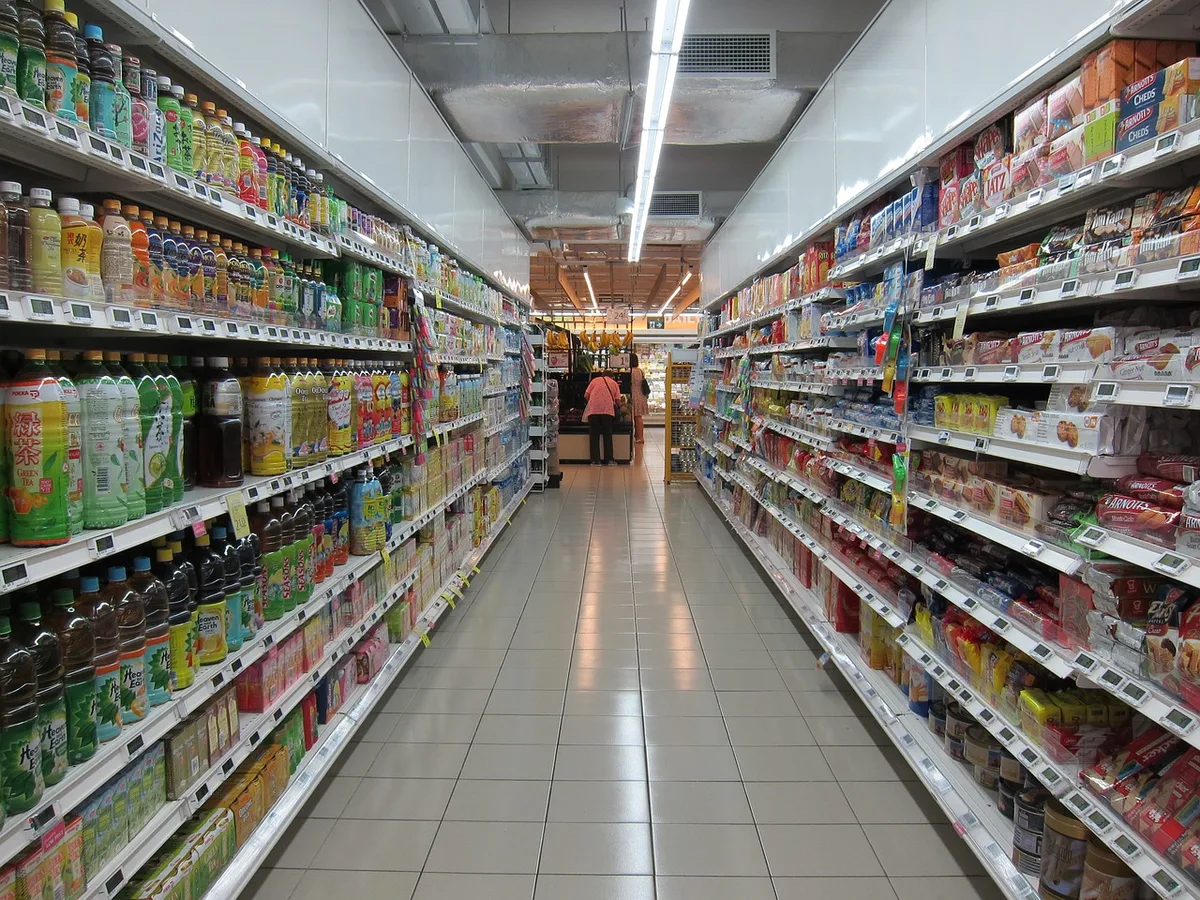
DoorDash has long been synonymous with restaurant delivery, but the company's recent trajectory suggests its ambitions extend well beyond the dinner rush. Executives and analysts have increasingly framed DASH not merely as a food courier but as a logistics and local commerce platform capable of moving almost anything a neighborhood retailer might sell — groceries, convenience goods, alcohol, and household essentials among them.
The strategic logic is straightforward: restaurant delivery, while still the company's core revenue engine, is a crowded and margin-thin business. By expanding into adjacent retail verticals, DoorDash can spread its fixed infrastructure costs — drivers, dispatch technology, merchant relationships — across a wider range of transactions, improving unit economics over time. The platform's existing density in thousands of U.S. markets gives it a structural head start that newer entrants would struggle to replicate quickly.
Read more Frank Founder Charlie Javice Reportedly Seeks Trump Pardon →
That expansion also changes how investors should think about DoorDash's long-term valuation. A pure-play restaurant delivery company commands a different multiple than a diversified local commerce operator. If DoorDash can demonstrate that its average order value and order frequency rise as consumers use the app for more than just meals, the bull case for DASH becomes considerably stronger — and more defensible against competition from Instacart, Uber Eats, and emerging quick-commerce players.
The harder question is execution. Signing merchant partnerships across fragmented retail categories is operationally complex, and consumer habits around non-restaurant delivery are still forming. DoorDash will need to invest heavily in merchant tools, search and discovery features, and reliability guarantees to make the broader platform feel as seamless as ordering a pizza. How quickly it can shift consumer behavior — not just merchant supply — will determine whether the local commerce vision becomes a meaningful revenue driver or remains an aspirational footnote.
Continue reading at Yahoo Finance.