Ethereum Foundation Leadership Faces Scrutiny Amid Staff Departures
A wave of departures from the Ethereum Foundation has reignited long-running concerns about its organizational direction and leadership effectiveness.

The Ethereum Foundation, the nonprofit steward of one of the world's most consequential blockchain networks, is confronting renewed questions about its internal culture and strategic leadership following a notable exodus of talent. While personnel turnover is common across the technology sector, departures from a foundational organization that shapes the direction of a multi-hundred-billion-dollar ecosystem carry outsized implications for developers, investors, and the broader crypto community.
Critiques of the Ethereum Foundation's leadership are not new. For years, observers have pointed to structural tensions between the organization's idealistic, research-driven ethos and the increasingly commercial and competitive realities of the blockchain industry. The latest wave of departures appears to have crystallized those frustrations, prompting public debate about whether the Foundation's current leadership model is equipped to navigate Ethereum's next phase of growth and technical evolution.
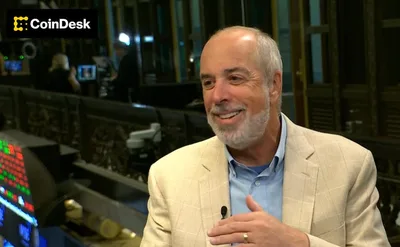
Read more Ric Edelman: Crypto's Real Growth Story Isn't the Price →
What makes this moment particularly significant is the timing. Ethereum is in the midst of a complex, multi-year roadmap aimed at improving scalability, security, and decentralization — goals that require sustained institutional coherence. A fragmented or demoralized Foundation could slow coordination efforts, even as rival networks aggressively court developers and capital. The question is not merely who is leaving, but what their departure signals about the Foundation's ability to retain and align top-tier technical and strategic minds.
Analysts who follow crypto governance closely note that nonprofit stewardship of open-source infrastructure is inherently difficult. The Ethereum Foundation must balance philosophical commitments to decentralization with the practical demands of running a well-funded organization that influences global financial infrastructure. Leadership disputes, when they become public, risk eroding the trust that underpins Ethereum's credibility with institutional partners and regulators alike.
The debate now unfolding in Ethereum community forums and social media channels reflects a broader maturation reckoning across the crypto industry — one where founding-era governance structures are being tested by the scale and stakes they were never originally designed to handle. Continue reading at CoinDesk.