Europe's Crypto Rules Are Set — Enforcement Is the Hard Part
The EU led the world in crypto regulation, but turning MiCA's ambitious framework into effective oversight is proving far more complex.
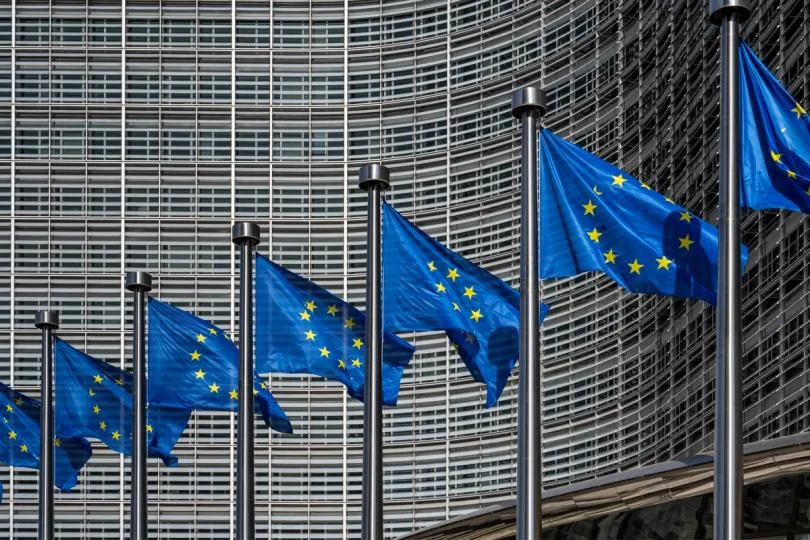
Europe spent years positioning itself as the global standard-bearer for cryptocurrency regulation, culminating in the Markets in Crypto-Assets regulation — better known as MiCA — a sweeping framework designed to bring order to a notoriously volatile and opaque industry. The ambition was undeniable. The harder question, now that the rules are largely on the books, is whether the institutions responsible for enforcing them are equipped to do so at the speed and scale the crypto market demands.
Regulation and implementation are two fundamentally different challenges. Writing rules requires political will and legal expertise; enforcing them requires coordination across 27 member states, technically fluent supervisors, and the operational capacity to monitor an industry that moves faster than most traditional financial sectors. The gap between those two realities is where many well-intentioned regulatory frameworks quietly lose their effectiveness.
Read more US Sheriff Group Drops Opposition to Crypto CLARITY Act →
For crypto firms operating across the EU, the immediate concern is regulatory arbitrage — the possibility that enforcement standards will differ meaningfully from one national authority to another. MiCA was designed in part to prevent the kind of jurisdictional patchwork that has historically allowed companies to shop for the most permissive regulator. But harmonization in law does not automatically produce harmonization in practice, and early signals suggest that some member states are better resourced and more prepared than others to act as credible watchdogs.
The stakes extend beyond Europe's borders. If MiCA implementation succeeds, it could serve as a genuine template for regulators in the United States, Asia, and beyond — markets still grappling with how to govern digital assets without stifling innovation. If it falters, it risks demonstrating that even the most carefully constructed regulatory architecture is only as strong as the institutions executing it. Observers watching Washington's ongoing crypto policy debates should pay close attention to how Brussels follows through.
Continue reading at CoinDesk