Fed Chair Warsh May Skip Rate Outlook 'Dot' in Policy Signal
Kevin Warsh is expected to withhold his individual rate projection from the Fed's quarterly dot plot, a move that could reshape how markets read central bank guidance.
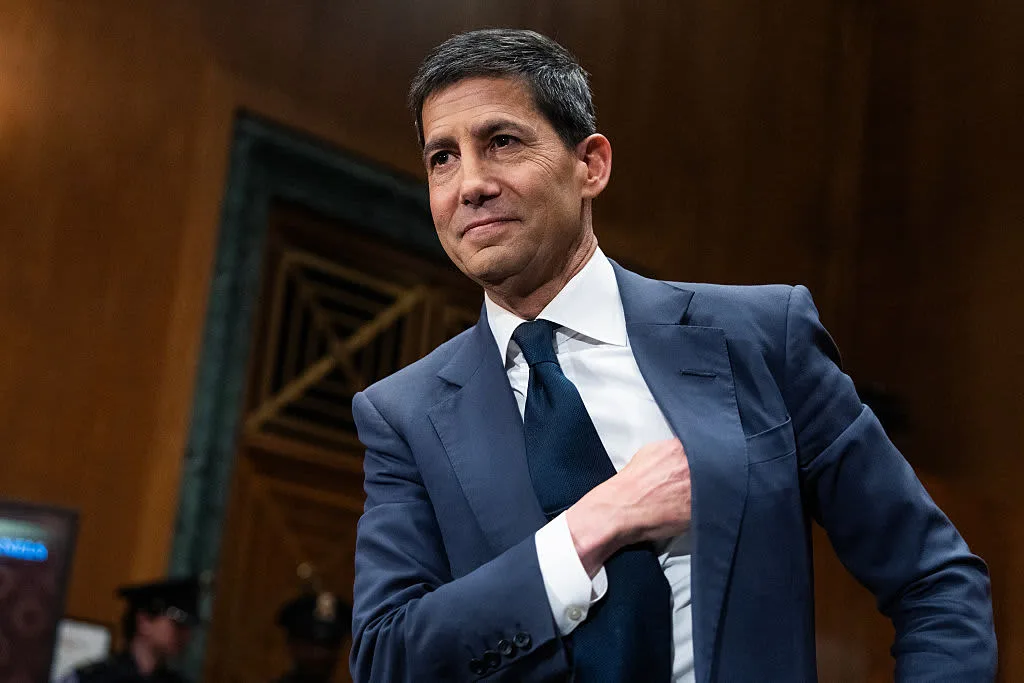
The Federal Reserve's Federal Open Market Committee is preparing to release its quarterly Summary of Economic Projections, the closely watched document that includes the so-called dot plot — a chart showing where each individual policymaker expects interest rates to move over the coming years. According to reports, Fed Chair Kevin Warsh is expected to withhold his own projection from that update, an unusual departure from standard practice that carries significant implications for how the central bank communicates with financial markets.
The dot plot has long served as one of the Fed's primary tools for forward guidance, allowing investors and economists to gauge the collective thinking of policymakers without attributing specific views to named officials. When the chair of the institution declines to participate, however, that anonymity becomes analytically complicated — markets lose the ability to infer where the most powerful voice in monetary policy currently stands, even in aggregate form.
Read more Economists Revisit GDP Forecasts Amid Shifting Data →
Warsh's reported decision could reflect a deliberate strategy to preserve his own flexibility as the Fed navigates an uncertain economic environment. By stepping back from the dot plot, he avoids having his projection anchored in public record, giving him more room to shift policy direction without appearing to contradict a prior stated position. It is a subtle but meaningful signal about how he intends to lead the institution.
The broader consequence for markets could be a recalibration of how much weight investors assign to the dot plot itself. If the chair routinely abstains, the document's authority as a forward-guidance instrument may gradually erode, forcing traders and analysts to rely more heavily on speeches, press conferences, and official statements to divine the Fed's true direction. That shift would likely increase volatility around monetary policy announcements rather than reduce it.
Continue reading at US Top News and Analysis