Fed Minutes Take On Outsized Importance as Warsh Goes Quiet
With the Fed signaling a shift toward terse communication, upcoming minutes have become investors' primary window into central bank thinking.
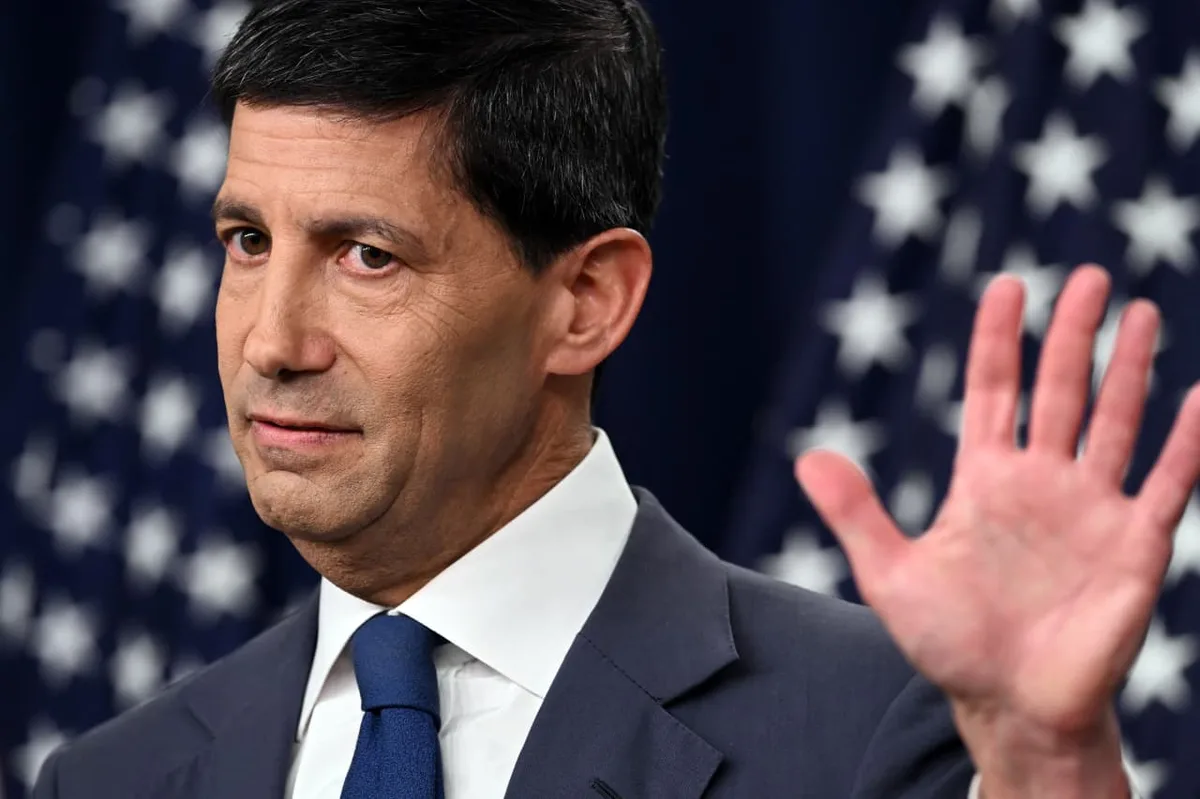
Federal Reserve meeting minutes, long treated as a routine disclosure ritual, are suddenly carrying extraordinary weight. With the central bank moving toward a more restrained communication posture under Kevin Warsh's influence, investors find themselves with fewer guideposts than they've grown accustomed to over the past decade of expansive Fed transparency.
The shift matters because markets have been conditioned to parse every speech, press conference, and interview for signals about the trajectory of interest rates. When those channels narrow, the formal written record of Fed deliberations becomes the most reliable — sometimes the only — structured source of insight into where policymakers are leaning. In that sense, what was once a background document becomes a market-moving event in its own right.
Read more Bitcoin Outperforms S&P 500 as Crypto Defies Equity Slide →
This dynamic reflects a broader philosophical tension inside the modern Fed. Advocates of tighter communication argue that the era of forward guidance and near-constant official commentary created a form of market dependency, with investors essentially expecting the central bank to pre-announce its moves. A pullback from that model forces traders and analysts to rebuild their forecasting frameworks around harder data and formal disclosures rather than curated messaging.
For everyday investors, the practical implication is heightened volatility around minutes releases. When communication is abundant, markets can absorb and price in Fed thinking gradually. When it is scarce, a single document released weeks after the actual meeting can trigger outsized reactions — compressing what might have been weeks of gradual repricing into hours. The minutes are not a perfect substitute for real-time guidance, but in a communication vacuum, they are the closest thing available.
The stakes are especially high now given the unresolved questions around inflation persistence, labor market resilience, and the timing of any potential rate adjustments. Investors starved for clarity will be reading the upcoming minutes with unusual intensity. Continue reading at MarketWatch.com