Ford Q2 Sales Slide 10.3% as Truck and EV Woes Mount
Ford's second-quarter results were hit by an F-Series supplier disruption and a sharp 40.7% drop in electric vehicle sales.
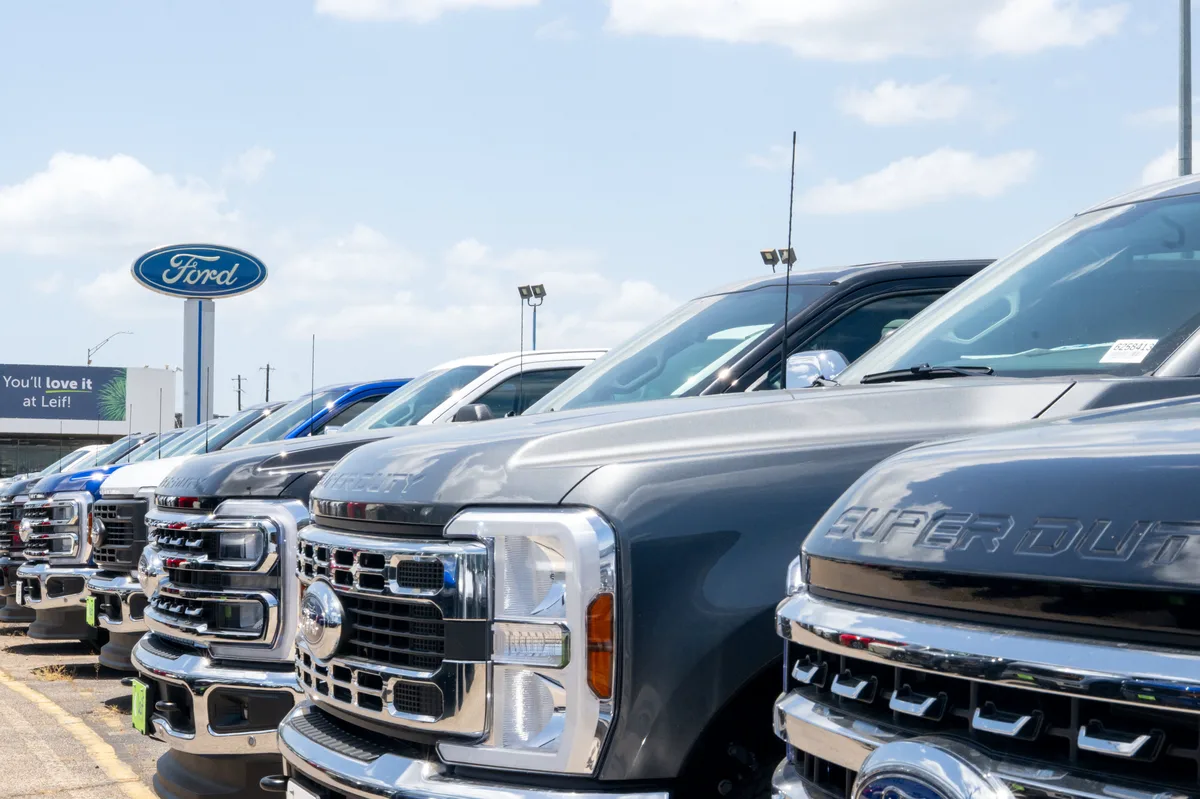
Ford Motor Company recorded a 10.3% decline in second-quarter sales, a result shaped by two distinct but equally telling pressures: a supply-chain problem affecting its most important product line and a deepening retreat in electric vehicle demand. Together, the figures sketch a portrait of an automaker caught between the industry's legacy strengths and its uncertain electric future.
The F-Series truck lineup, long the financial backbone of Ford and the best-selling vehicle line in the United States, saw sales fall 11% during the quarter. The culprit was a supplier issue that constrained availability of the F-150 and its stablemates at precisely the moment consumers were shopping. Supply disruptions of this kind are particularly costly for Ford because F-Series profits have historically subsidized the company's broader operations, including its costly EV transition.
Read more Jeff Bezos' Family Office Emerges as Top AI Startup Backer in 2025 →
The electric vehicle numbers told an even starker story. Ford's EV sales dropped 40.7% compared with the same period a year earlier, a decline that reflects both intensifying competition — particularly from Tesla and a wave of Chinese-backed brands — and persistent consumer hesitancy around charging infrastructure and total ownership costs. The magnitude of that drop raises legitimate questions about whether Ford's EV investment timeline can remain on its current trajectory without significant recalibration.
Analysts watching the broader auto sector will note that Ford's quarter is not entirely an isolated case — several legacy automakers have reported softening EV demand as early adopters are largely absorbed and the mass-market conversion proves slower than projected. Yet Ford's simultaneous vulnerability in its core truck segment amplifies the concern. A company can absorb weakness in a growth segment if its cash-generating anchor holds firm; when both wobble at once, the strategic options narrow considerably.
Continue reading at US Top News and Analysis.