Global Banks Trial Tokenized Money in BIS Cross-Border Pilot
A BIS-led pilot explored how tokenized money could streamline cross-border payments among major global banks, with $1 million in test transactions.
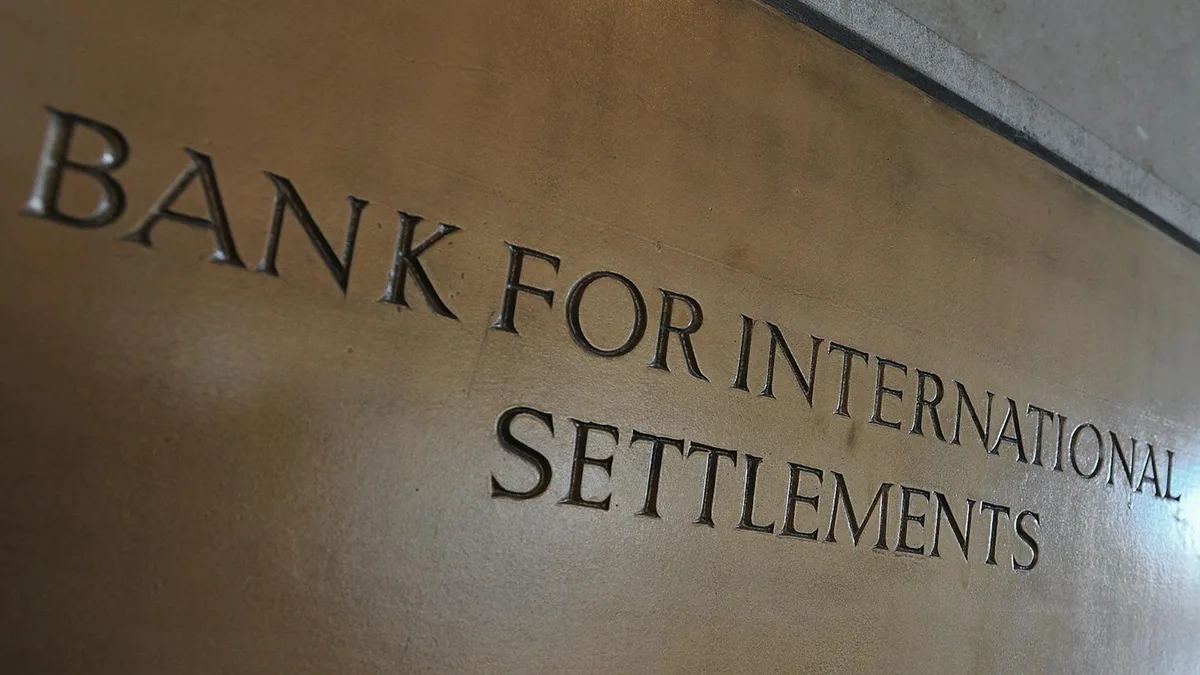
The Bank for International Settlements has quietly advanced one of the most consequential experiments in modern finance: persuading major global banks to test tokenized forms of money as a mechanism for settling cross-border payments. The $1 million pilot, reported by CoinDesk, represents a concrete step toward replacing the slow, opaque correspondent banking system that still underpins most international transfers.
Tokenized money — digital representations of currency recorded on a shared ledger — promises to collapse the settlement chain that currently requires multiple intermediaries, each adding time, cost, and counterparty risk. By encoding money as programmable tokens, transactions can settle nearly instantly and conditionally, meaning payment only releases when all legs of a deal are simultaneously confirmed. That "atomic settlement" concept has long been a theoretical ambition; the BIS pilot begins to make it empirical.
Read more Reddit Stock Falls 7% Despite Strong Q2 Earnings Beat →
The BIS, which acts as a central bank for central banks, has been methodically building the infrastructure and institutional consensus needed to modernize cross-border finance. Its involvement lends the experiment a credibility that private blockchain ventures have struggled to achieve. When a body of that stature convenes global banks around a shared ledger, the signal to policymakers and regulators is significant — this is not a fringe experiment but a mainstream stress test of next-generation monetary plumbing.
The modest $1 million transaction volume suggests this remains an early-stage proof of concept rather than a production-ready system, but that framing may undersell its importance. Pilots of this nature are designed to surface legal, technical, and interoperability friction before it becomes systemic. The lessons banks learn about token standards, liquidity management, and regulatory compliance in controlled conditions will directly shape whatever comes next in the long-running effort to reform the global payments architecture.
Continue reading at CoinDesk.