GLP-1 Obesity Drugs Near a Turning Point as Lilly Eyes Breakthrough
The obesity drug market is approaching a pivotal moment, with Eli Lilly potentially holding a game-changing asset in its pipeline.
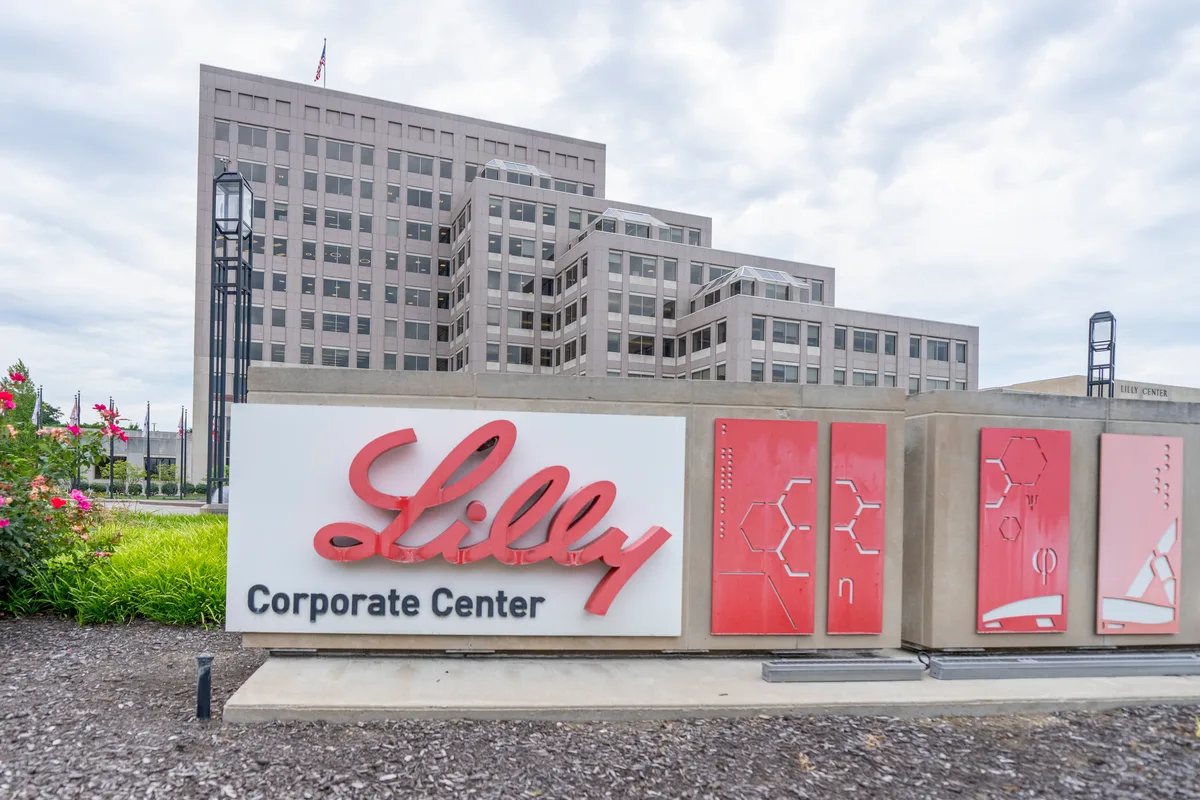
The market for GLP-1 obesity medications is edging toward what analysts describe as a major inflection point, a development that could reshape both the pharmaceutical landscape and how investors weigh healthcare sector exposure. Eli Lilly, already a dominant force in the weight-loss drug space alongside rival Novo Nordisk, appears positioned to extend its lead with what observers are calling a potential game changer in its pipeline.
The framing matters: obesity treatment has evolved from a niche therapeutic category into one of the most closely watched growth stories in all of large-cap pharma. The commercial success of drugs like Lilly's Mounjaro and Zepbound has demonstrated that patient demand is enormous and largely unmet, giving the sector a durable runway that few other drug classes can match at this stage.
Read more Japanese Stocks Reach All-Time Highs at a 35-Year Pace →
What makes Lilly's next move particularly significant is the competitive context. Both Lilly and Novo Nordisk have invested heavily in next-generation formulations and delivery mechanisms, including oral options that could dramatically expand the addressable market beyond patients willing to self-inject. A true breakthrough on that front would represent not just a clinical milestone but a commercial one — lowering the friction of adoption and pulling in a broader patient population.
For investors, the near-term question is how much of this optimism is already priced into shares, and what clinical or regulatory catalysts remain on the horizon. Obesity drugs have become a rare category where the science, the economics, and the public health urgency are all pointing in the same direction simultaneously — a convergence that does not come along often in the pharmaceutical industry.
Continue reading at US Top News and Analysis.