Hormuz Ceasefire Leaves Fertilizer Shipments in Limbo
A U.S.-Iran interim deal may reopen oil lanes through the Strait of Hormuz, but other vital cargo like fertilizers remains stuck.
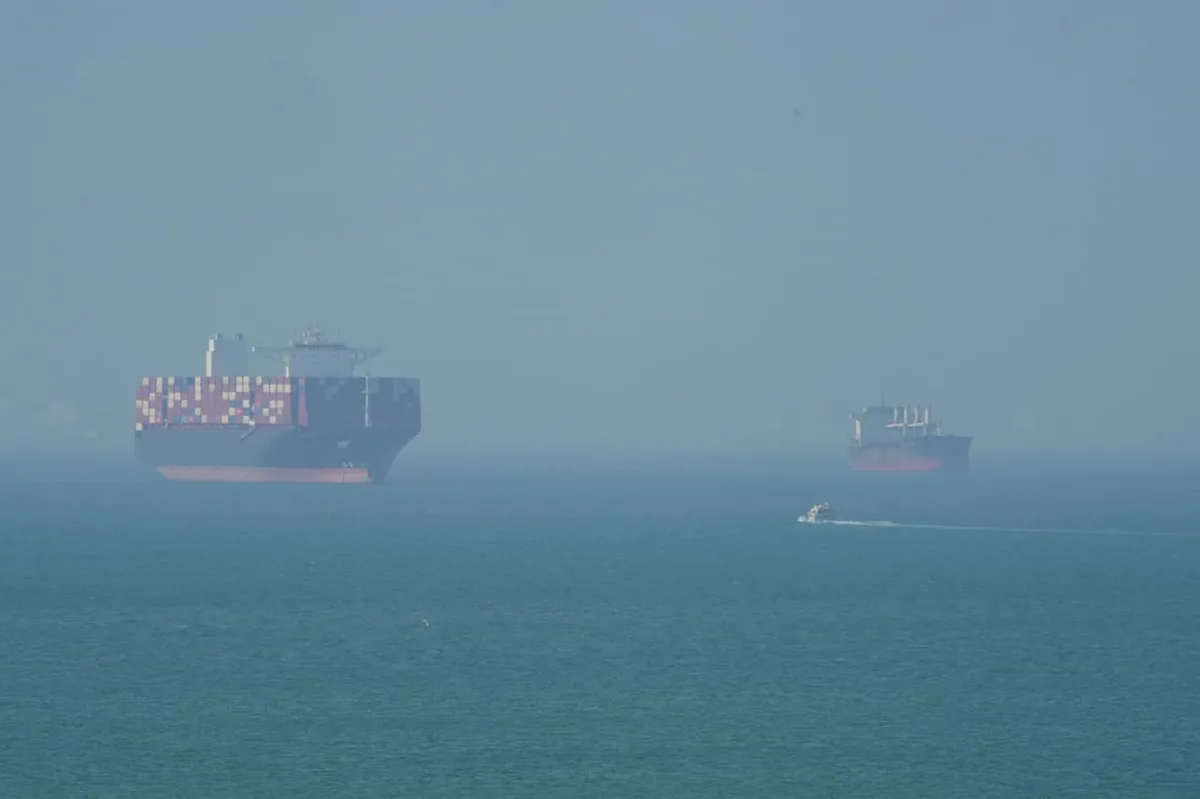
The fragile interim peace agreement between Washington and Tehran has offered some relief to global energy markets, but it appears to be doing far less for the broader network of commodities that also flow through the Strait of Hormuz — one of the world's most strategically critical maritime chokepoints. Crude oil, it seems, is first in line to resume transit, while other essential goods remain caught in an uneasy limbo.
Fertilizers are among the cargoes most affected by the continued uncertainty. The Strait of Hormuz is not merely an oil corridor; it serves as a conduit for a wide range of agricultural inputs that underpin food production across Asia, Africa, and beyond. A prolonged disruption to fertilizer flows could ripple quietly but devastatingly into global food supply chains, with effects that would likely be felt months later at the farm level — and eventually at grocery stores.
Read more Strategy's Dividend Crypto Stock Slides Toward Historic Lows →
The sequencing question — oil first, everything else later — reflects a stark hierarchy of geopolitical priorities. Energy markets command immediate attention from governments and financial institutions alike, in part because crude price shocks register instantly in inflation data and consumer sentiment. Agricultural supply disruptions, by contrast, tend to develop on a slower timeline, making them easier to defer politically even when the downstream consequences are serious.
What the current situation underscores is how narrowly framed interim diplomatic agreements can be. A ceasefire or preliminary deal calibrated around oil flows may stabilize headline energy prices without resolving the full range of economic vulnerabilities that a closed strait creates. Analysts and policymakers watching the Hormuz situation should be wary of declaring normalcy simply because tankers begin moving again — normalcy for one commodity class is not normalcy for the global trading system.
The coming weeks will be telling. If non-crude shipments remain stranded even after oil transit resumes, that gap will become an indicator of just how durable — or superficial — the current diplomatic arrangement truly is. Continue reading at MarketWatch.com.