Hormuz Tanker Traffic Surges After U.S.-Iran Sea Lane Deal
Oil tanker activity in the Strait of Hormuz has jumped following a U.S.-Iran agreement to open the critical waterway, raising governance questions.
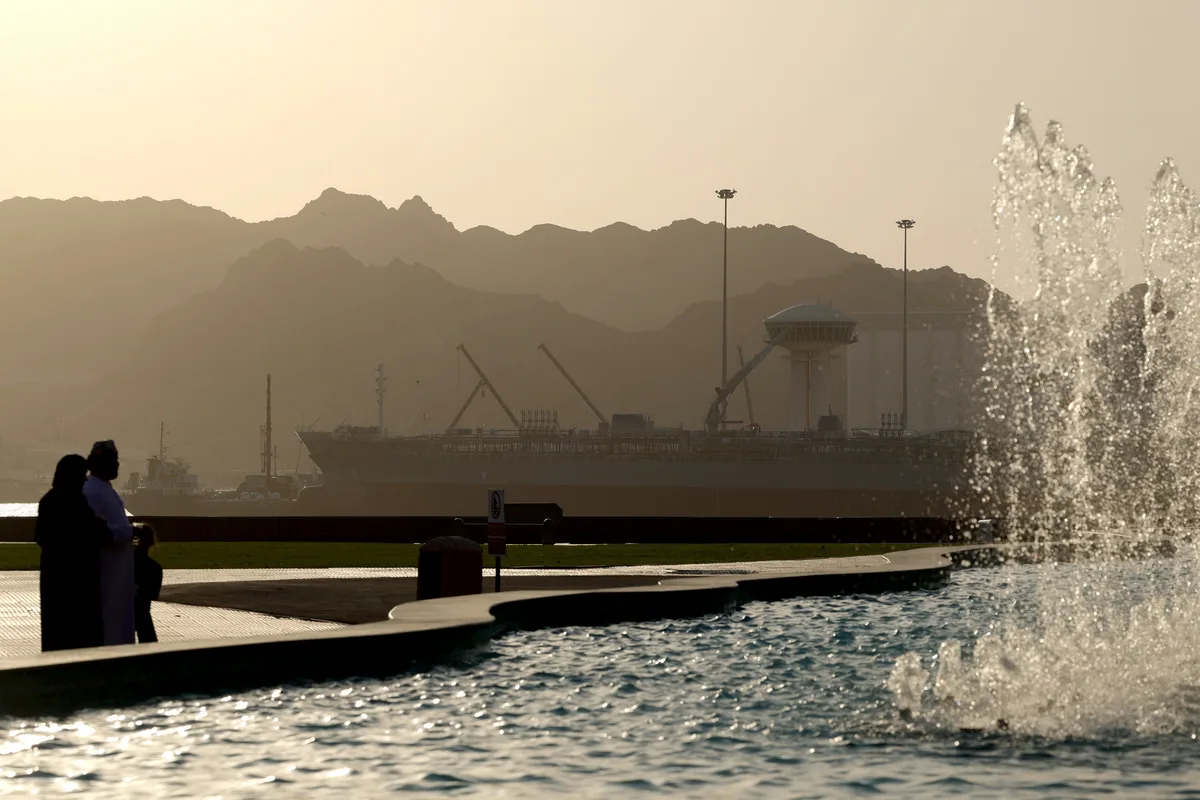
Oil tanker traffic through the Strait of Hormuz has surged in the wake of a new agreement between the United States and Iran to open the strategically vital sea lane, a development with significant implications for global energy markets. The strait remains one of the world's most consequential chokepoints, with a substantial share of the world's seaborne oil passing through its narrow waters on any given day.
The deal, negotiated between Washington and Tehran, has temporarily eased passage through a corridor that has long been a flashpoint for geopolitical tension. The arrangement appears to have had an immediate and measurable effect on shipping activity, signaling that both parties have, at least for now, found mutual interest in keeping commercial oil flows moving without disruption.
Read more Andrew Tate's Crypto Bets Cost Him $86K in Bitcoin Losses →
Yet the agreement has also surfaced a deeper and unresolved question: what happens when the toll-free period ends? The absence of a clear long-term governance framework leaves tanker operators, insurers, and oil-importing nations in a state of strategic uncertainty. Whether the current détente evolves into a durable arrangement or simply represents a temporary pause in a longer pattern of confrontation remains to be seen.
Analysts watching the region will likely focus on whether this deal reflects a broader diplomatic opening between Washington and Tehran, or whether it is a narrowly transactional measure driven by near-term economic incentives on both sides. The Strait of Hormuz has historically been used as a pressure lever by Iran in moments of escalating sanctions or military tension, making any shift in its operational status geopolitically significant.
The coming weeks will test whether the uptick in tanker traffic can be sustained, and whether negotiators can convert a fragile opening into something more structurally sound. Continue reading at US Top News and Analysis.