How a 22% Social Security Cut Would Hit Your Retirement
The latest Trustees report warns benefits could drop 22% by 2032. Here's how to calculate what that means for your finances.
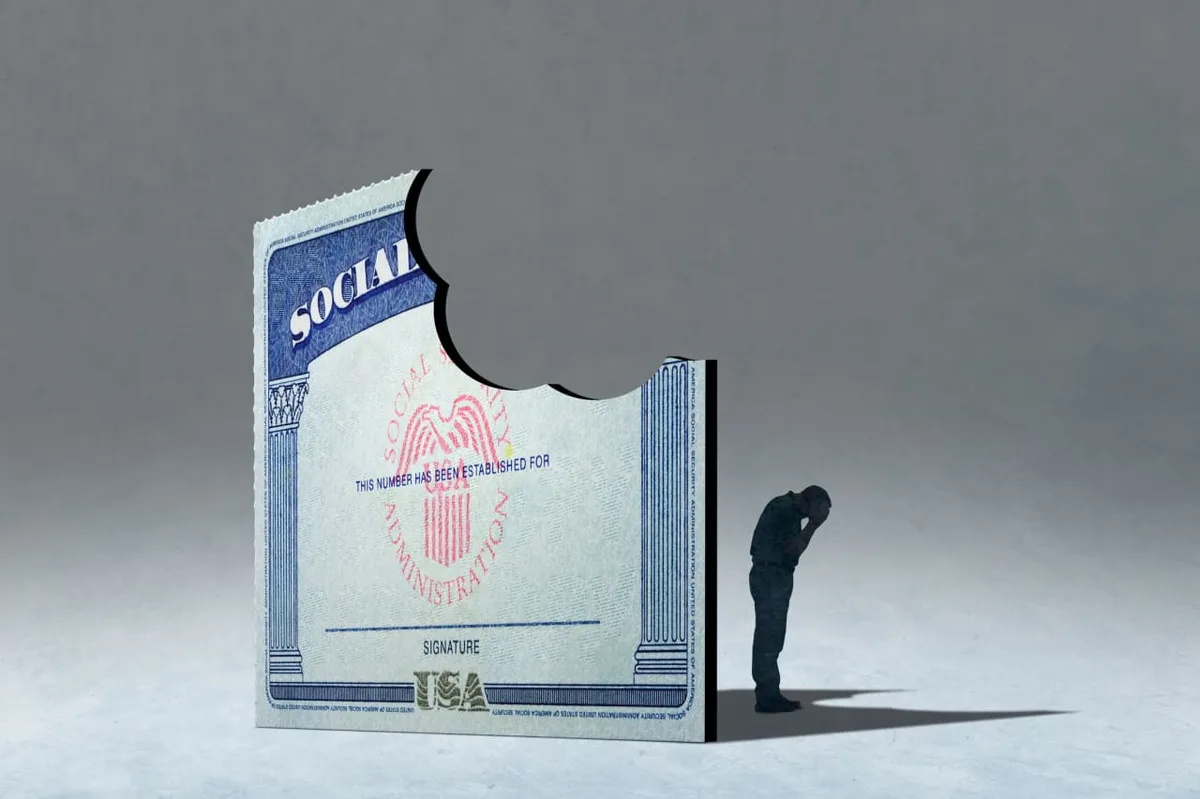
For millions of Americans approaching retirement, the Social Security Trustees' latest projection carries an uncomfortable message: without congressional action, the program's combined trust funds could be depleted by 2032, triggering an automatic benefit reduction of roughly 22%. That is not a hypothetical cliff — it is a built-in consequence of current law, which limits payouts to what incoming payroll taxes can actually cover.
The practical stakes vary enormously depending on when you were born, when you plan to claim, and how dependent your household is on Social Security as a share of total retirement income. A retiree who leans heavily on Social Security — as roughly half of older Americans do for the majority of their income — faces a meaningfully different exposure than someone with a robust 401(k) or pension cushioning the blow. Understanding your personal number, not just the headline percentage, is the analytical starting point.
Read more Why Your 'Diversified' Portfolio May Not Actually Be Diversified →
Calculating your individual impact requires a few concrete inputs: your projected monthly benefit at your chosen claiming age, drawn from your Social Security statement at SSA.gov; the 22% reduction applied to that figure; and then a comparison of the resulting shortfall against your anticipated monthly expenses in retirement. That gap — between reduced benefit and actual need — is the number worth stress-testing against your savings rate and investment timeline today, not in 2031.
The political dimension matters too. Congress has repeatedly intervened in Social Security's history, most notably in 1983 when a bipartisan deal restructured the program to ensure solvency for decades. Whether lawmakers act again before depletion, and through what combination of tax increases or benefit adjustments, remains uncertain — which is precisely why building a personal contingency plan now is the prudent response rather than assuming a legislative rescue will arrive on schedule.
Continue reading at MarketWatch.com