How TE Connectivity Bets on AI, EVs, and Factory Automation
TE Connectivity is quietly positioning its connector technology at the intersection of three of the decade's biggest industrial megatrends.
TE Connectivity may not be a household name, but the Irish-domiciled industrial components maker occupies a strategic position in some of the most consequential technology buildouts of the current era. The company manufactures the connectors, sensors, and related hardware that allow complex systems — from electric vehicles to AI-optimized data centers — to actually function at scale. In an age of software-defined everything, the unglamorous physical layer still matters enormously.
The electric vehicle transition represents one of the clearest growth vectors for TE Connectivity. EVs require significantly more sophisticated electrical architecture than combustion-engine vehicles, meaning more connectors, higher-voltage components, and greater thermal management demands. As automakers accelerate platform electrification globally, suppliers capable of meeting those exacting specifications gain durable pricing power and long-term design-win revenue.
Read more Paint Stocks vs. Rare Earth Plays: Which to Buy for 2026 →
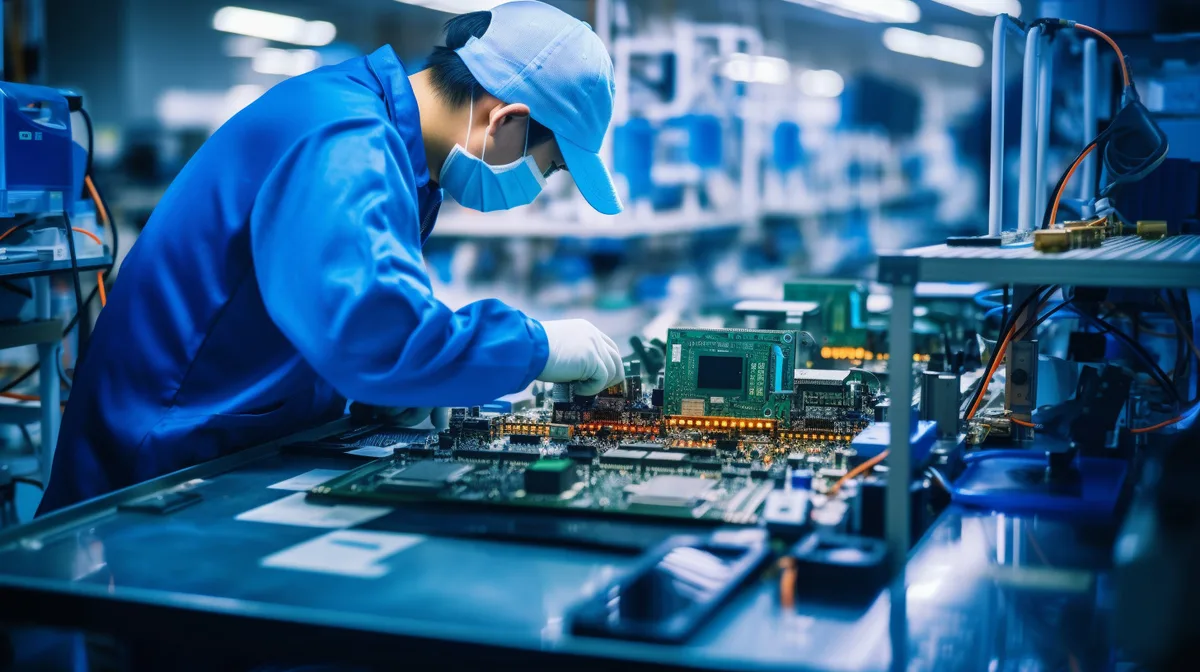
The AI infrastructure boom adds another dimension. The massive data centers being built to train and run large language models require dense, high-speed interconnects that can handle extraordinary power loads with minimal signal degradation. TE Connectivity's engineered components sit directly in that supply chain, giving the company indirect but meaningful exposure to hyperscaler capital expenditure cycles that show no signs of slowing.
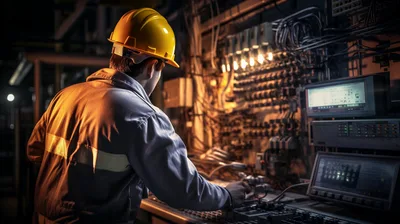
Factory automation rounds out the thesis. As manufacturers in North America, Europe, and Asia invest in robotic systems and smart manufacturing platforms — partly to offset labor costs and partly to build supply chain resilience — the demand for reliable industrial connectivity hardware rises in lockstep. TE Connectivity's diversified end-market exposure means it is not wholly dependent on any single sector cycling through a downturn.
Taken together, the company's positioning illustrates how mature industrial businesses can reframe their narratives around secular growth themes without fundamentally changing what they make. The connectors are the same; the applications driving demand are radically new. Continue reading at Yahoo Finance.