Iran Ship Attack Rattles Shipping Insurance After Premium Lull
War-risk premiums had recently eased before Iran's attack on a vessel reignited concerns about maritime security and coverage costs.
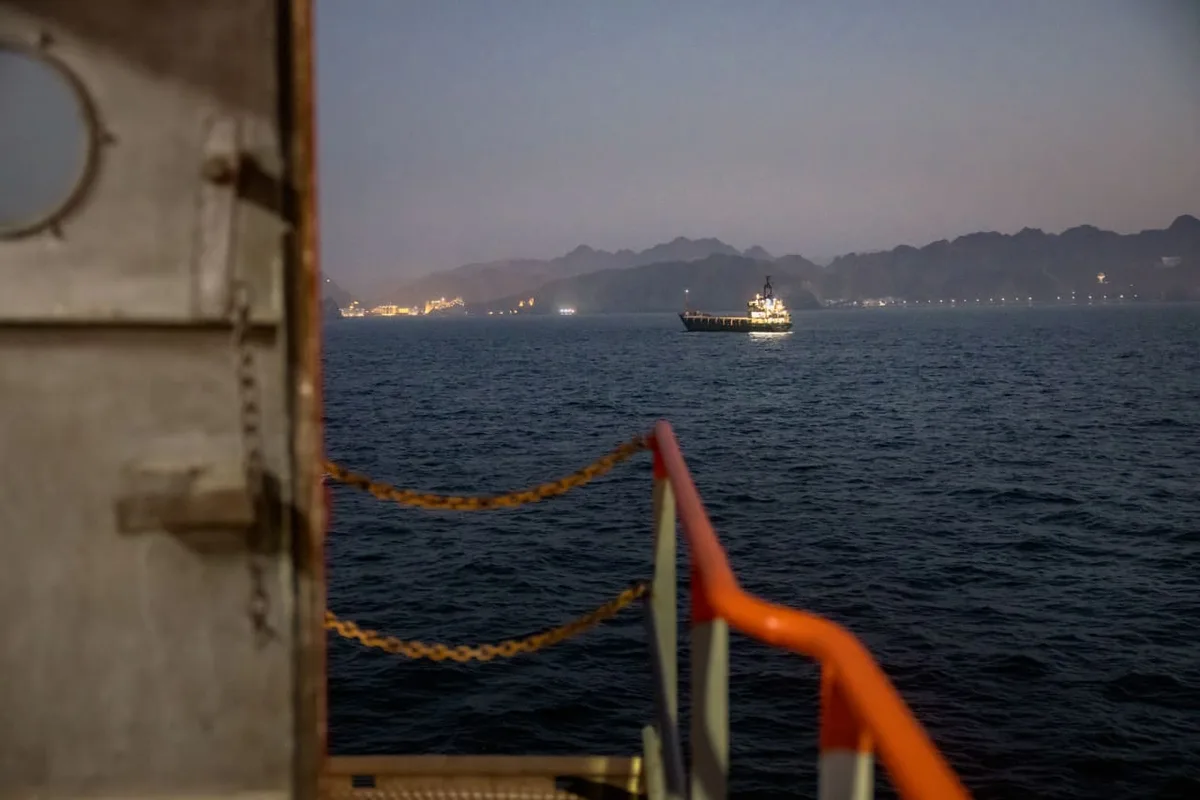
The shipping-insurance market finds itself at an uncomfortable inflection point following Iran's attack on a vessel, an incident that arrives precisely when war-risk premiums had retreated from elevated levels seen earlier in the regional conflict cycle. The timing is notable: underwriters and cargo owners had begun to exhale, pricing in a degree of stability that the attack now calls sharply into question.
War-risk premiums — the specialized surcharges added to standard marine insurance to cover vessels transiting conflict-prone waters — had narrowed considerably in the days leading up to the incident. That compression reflected a market consensus, however fragile, that the threat environment was becoming more manageable. A single high-profile attack is often sufficient to unwind weeks of gradual premium relief, as insurers reassess exposure and renegotiate terms with shipowners.
Read more OpenAI's IPO Path Remains Unclear Despite SEC Filing →
The broader implication for global trade is meaningful. Shipping lanes in and around the Middle East serve as critical arteries for energy and goods moving between Asia, Europe, and North America. When war-risk premiums spike, carriers face a binary choice: absorb the added cost and compress already-thin margins, or pass expenses downstream to shippers and, ultimately, consumers. Either path carries economic consequence at a moment when supply chains are still recalibrating from prior disruptions.
From an analytical standpoint, the episode illustrates how geopolitical risk is never truly priced out of maritime insurance — it is merely dormant. The market's recent optimism may have underestimated the persistence of instability in the region, and insurers who wrote coverage at narrowed premiums could face uncomfortable conversations with reinsurers as loss scenarios are re-modeled. The attack serves as a reminder that in conflict-adjacent waters, the gap between perceived and actual risk can close with very little warning.
Continue reading at MarketWatch.com