Japanese Airlines Raise Fuel Surcharges Even as Jet Fuel Costs Fall
JAL and ANA hiked surcharges Wednesday despite declining jet fuel prices in Asia, leaving travelers puzzled about the timing.
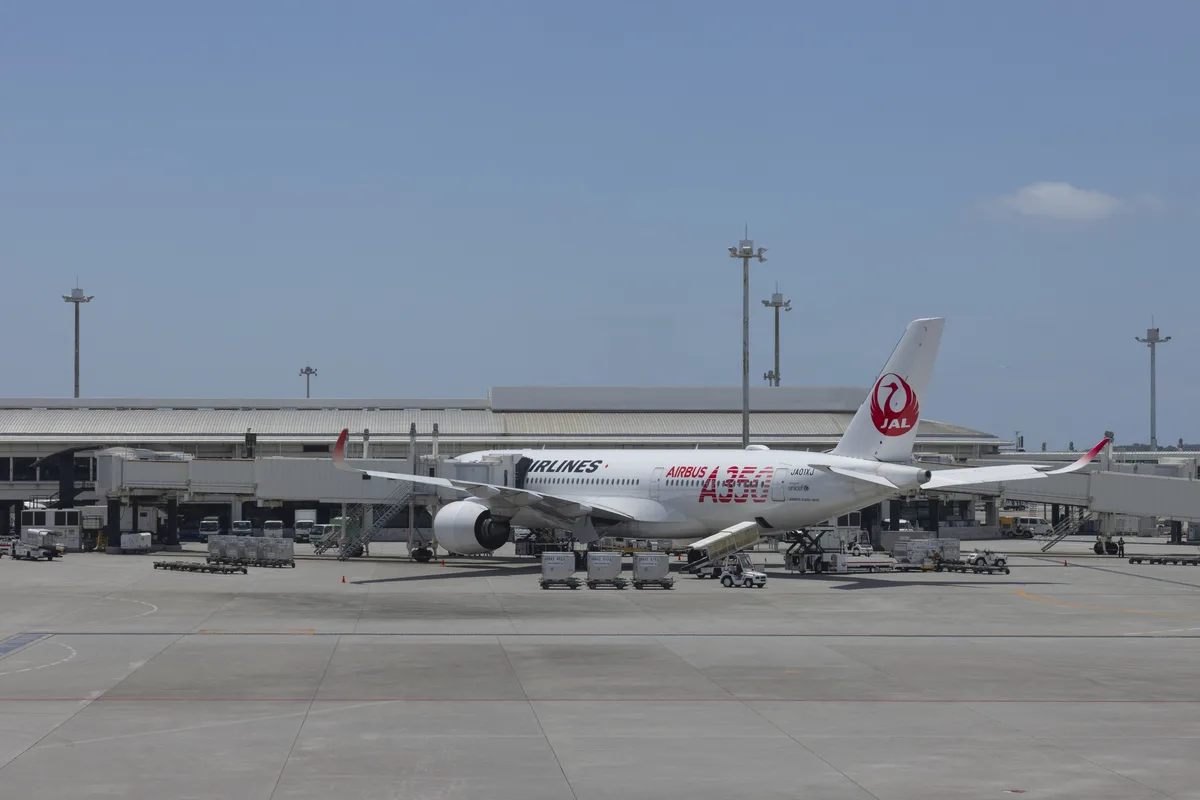
Japan Airlines and All Nippon Airways quietly raised their fuel surcharges on Wednesday, pushing additional costs for some routes to roughly $400 — a move that strikes many travelers as counterintuitive given that jet fuel prices across Asia have actually been trending lower. The disconnect between falling input costs and rising passenger fees points to a structural quirk in how major Japanese carriers calculate and apply these charges.
Both JAL and ANA use a formula tied to fuel price benchmarks measured over a prior reference period, not current spot prices. That lag means surcharge adjustments often reflect market conditions from weeks or months earlier, creating a frustrating gap between what consumers pay at checkout and what airlines are actually spending at the fueling station. It is a system designed for administrative predictability, but it routinely produces outcomes that feel illogical from a traveler's perspective.
Read more Boeing Confirms IT Outage Disrupted Internal Systems and Apps →
The practical consequence is that passengers booking flights out of Japan — or on Japan-originated international routes — are absorbing costs baked into a different price environment. For budget-conscious travelers, a $400 surcharge on top of a base fare can fundamentally change the economics of a trip, particularly on long-haul routes to North America or Europe where these carriers compete most directly with non-Japanese rivals.
The more encouraging news embedded in this story is the implied trajectory: if jet fuel prices in Asia remain depressed, the same backward-looking formula that raised surcharges now should, in theory, drive them back down in a future adjustment cycle. Travelers who can defer bookings may find meaningfully lower all-in fares as that recalibration works its way through the carriers' pricing systems. Timing flexibility, in other words, carries real monetary value here.
Continue reading at US Top News and Analysis