JetBlue Doubles Down on Fort Lauderdale to Outflank Miami
JetBlue is making Fort Lauderdale its strategic centerpiece, investing in a new lounge and international routes to compete with American-dominated Miami.
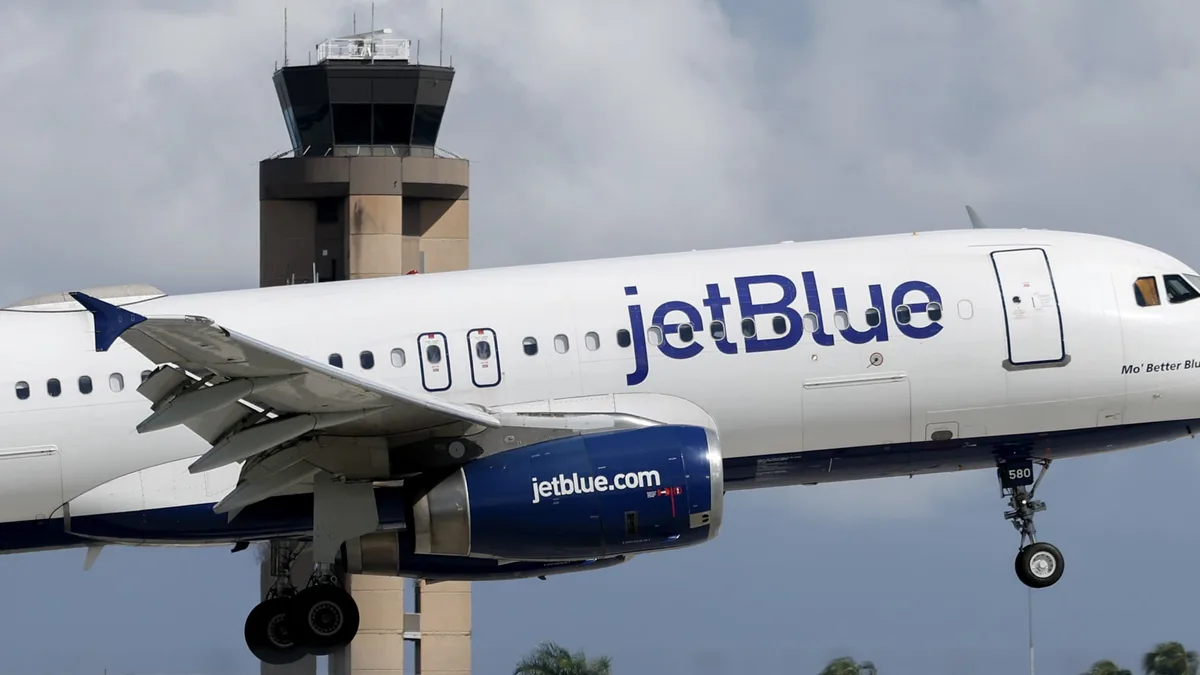
JetBlue Airways is placing a significant strategic wager on Fort Lauderdale-Hollywood International Airport, rolling out plans that include a new airport lounge and expanded international service — a deliberate move to carve out territory in a market long overshadowed by Miami International Airport just 30 miles to the south.
The calculus here is straightforward: Miami International is firmly American Airlines territory, making direct competition there costly and difficult for a carrier of JetBlue's scale. Fort Lauderdale offers a geographically similar catchment area with a more favorable competitive landscape, giving JetBlue room to build brand loyalty and premium amenities without going head-to-head against a legacy carrier on its home turf.
Read more Frank Founder Charlie Javice Reportedly Seeks Trump Pardon →
The addition of a dedicated lounge signals something deeper than a simple route expansion. Lounges are infrastructure investments that communicate permanence and attract higher-yield business and leisure travelers who might otherwise default to American's network through Miami. For JetBlue, which has long positioned itself as a value-conscious carrier with above-average service, a lounge anchors that identity in a concrete, visible way.
The international gateway ambitions amplify this strategy further. Fort Lauderdale already serves as a popular departure point for Caribbean and Latin American destinations, segments where JetBlue has historically competed well. Deepening that international footprint could transform the airport from a secondary option into a genuine hub alternative for South Florida travelers — a meaningful shift in regional aviation dynamics.
Whether the bet pays off depends on JetBlue's ability to execute amid its own financial pressures and a broader industry environment where cost discipline is paramount. But the directional logic is sound: own a market where you can win rather than bleed resources fighting for scraps in one where you can't. Continue reading at CNBC.