Jim Cramer Says NVIDIA, Not SpaceX, Holds the Market's Key
CNBC's Jim Cramer argues NVIDIA remains the pivotal force driving broader market direction, sidelining SpaceX from that central role.
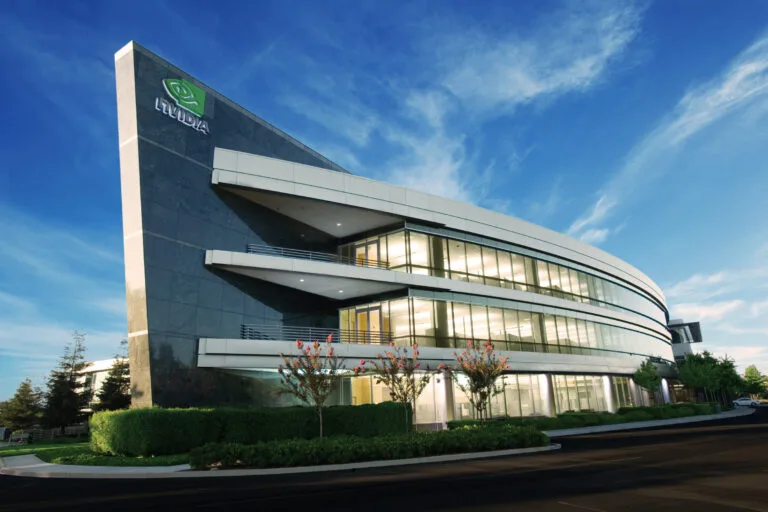
Jim Cramer, the longtime CNBC host and market commentator, has staked out a clear position in the ongoing debate over which company carries the most weight for overall market sentiment: NVIDIA, not SpaceX, is the true bellwether. His assertion places the semiconductor giant at the center of investor psychology and broad index performance in a way that Elon Musk's rocket-and-satellite enterprise simply cannot match — at least not yet.
The argument carries analytical weight when you consider NVIDIA's structural role in today's market. As the dominant supplier of AI training chips, NVIDIA's earnings, guidance, and stock movements have repeatedly triggered ripple effects across the S&P 500 and Nasdaq. When NVIDIA beats expectations, risk appetite tends to expand; when it disappoints, the selloff often spreads well beyond the semiconductor sector. SpaceX, by contrast, remains privately held, meaning retail and institutional investors have no direct equity exposure through public markets.
Read more Micron Stock Nears Fair Value as Options Strategy Offers Yield →
Cramer's framing also reflects a broader tension in how markets assign narrative leadership. SpaceX commands enormous cultural and technological prestige, and its Starlink business has genuine commercial momentum. But prestige and market impact are different currencies. NVIDIA's market capitalization and index weighting give it a mechanical influence over passive fund flows that a private company structurally cannot replicate, no matter how transformative its missions.
What Cramer's call ultimately underscores is how thoroughly the AI investment cycle has reorganized the market's center of gravity. A chip designer — not a bank, not an energy major, not even a consumer platform — now functions as the market's pulse point. Whether that concentration of influence proves durable or fragile is the more consequential question investors should be asking.
Continue reading at Yahoo Finance.