
Landon Donovan: Youth Soccer Costs Would Have Kept Him Out
Soccer legend Landon Donovan says today's steep youth soccer fees would have made his career impossible, spotlighting a systemic access problem.
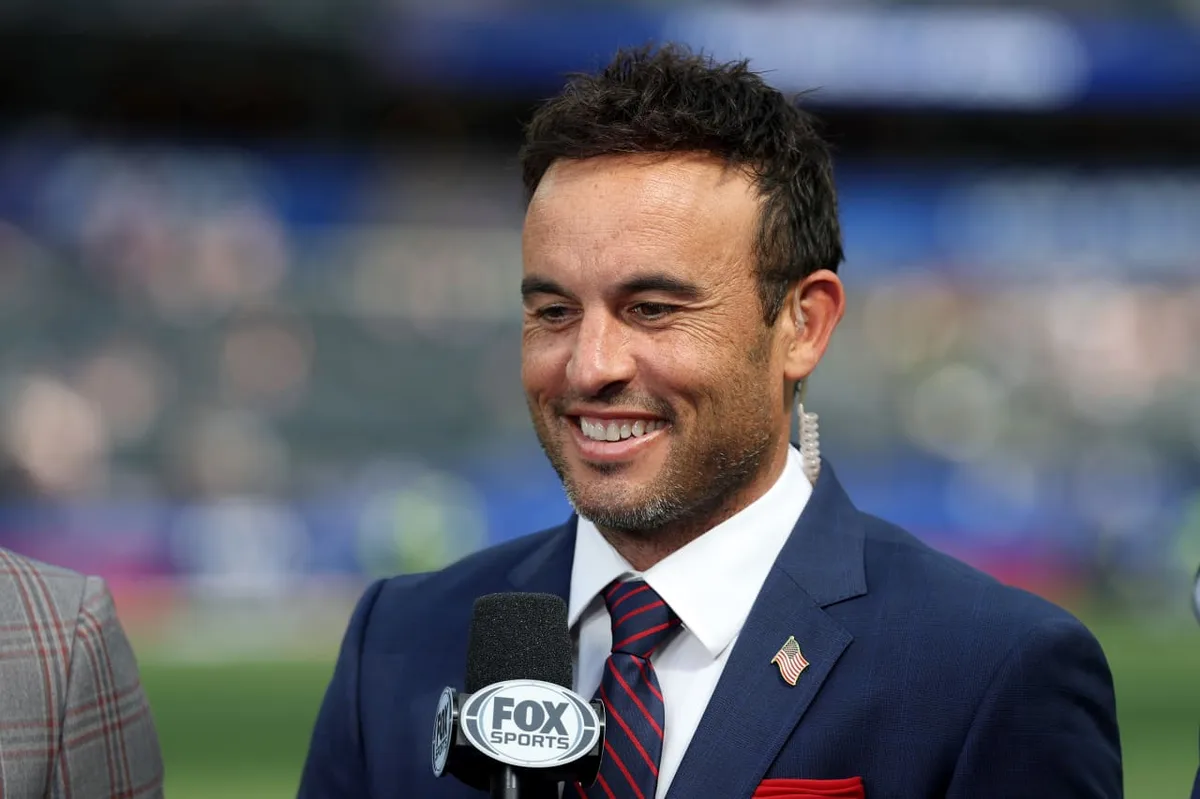
Landon Donovan, widely regarded as one of the greatest American soccer players ever produced, is sounding an alarm that cuts to the heart of U.S. soccer's long-term competitiveness: the cost of participating in youth soccer has become so prohibitive that players from working-class and lower-income backgrounds — the very backgrounds that produce much of global football's elite talent — are effectively being priced out of the game. Donovan said flatly that there is "zero chance" he could have afforded to play youth soccer if he were growing up today, a striking admission from someone who became the face of American soccer for a generation.
The timing of the remarks lands with particular weight. The U.S. men's national team once again failed to advance past the Round of 16 in the World Cup, a ceiling that has frustrated American soccer fans and analysts for years. Critics have long pointed to the pay-to-play model that dominates youth development in the United States as a structural disadvantage compared to countries where academies scout and develop talent at little or no cost to families. In much of Europe and Latin America, clubs identify promising young players early and absorb the financial burden of their development — a model that casts a far wider socioeconomic net.
The implications extend beyond elite competition. When participation in a sport becomes contingent on a family's ability to pay for club fees, travel tournaments, and specialized coaching, the talent pool narrows dramatically. Economists and sports sociologists have noted this dynamic in other youth sports as well, but soccer's global nature makes the gap especially visible — the U.S. consistently underperforms relative to the size and wealth of its population compared to nations with more democratized development systems.
Donovan's comments are unlikely to trigger immediate structural reform, but they add a prominent voice to a growing chorus calling for systemic change in how American soccer identifies and nurtures young talent. Whether U.S. Soccer's federation, MLS academies, or grassroots organizations can build a viable alternative to the pay-to-play model before the country co-hosts the 2026 World Cup remains an open and urgent question. Continue reading at MarketWatch.com