Manhattan Luxury Home Sales Stay Strong After Second-Home Tax
A new NYC tax on second homes has yet to dent luxury real estate demand, with brokers and analysts reporting sustained sales activity.
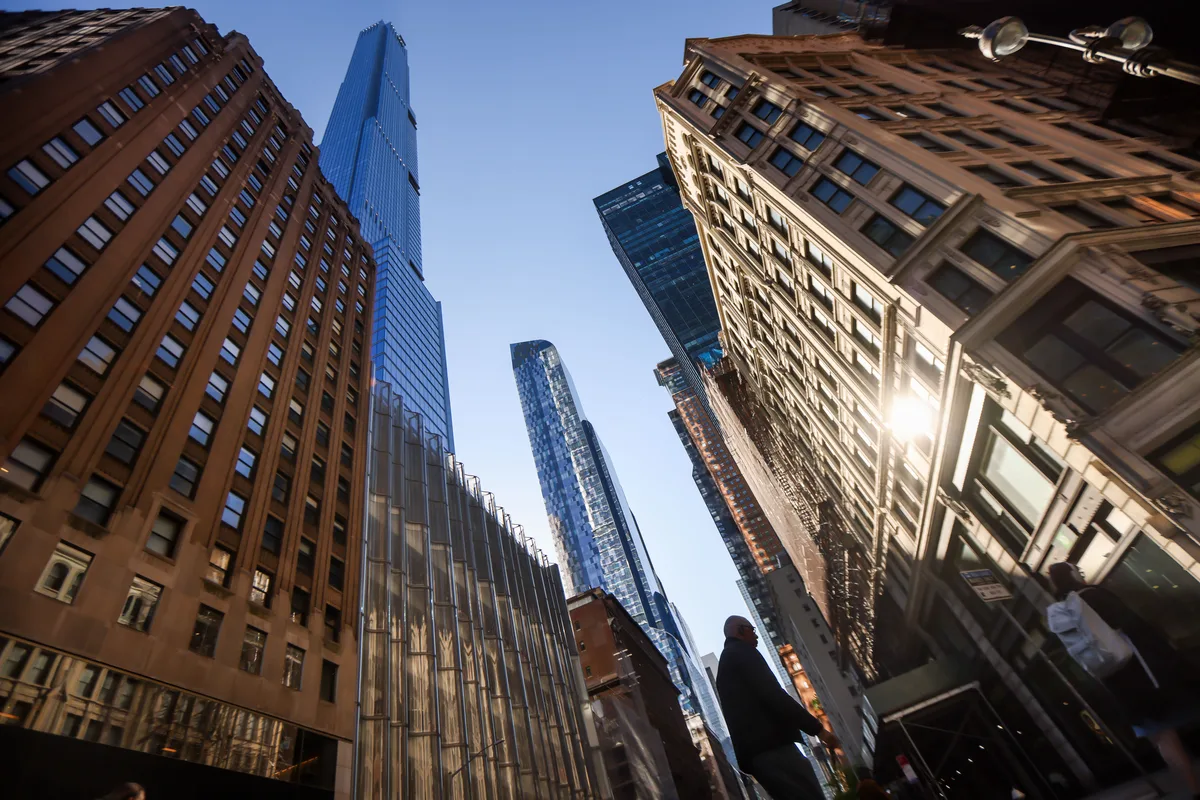
New York City's high-end real estate market is proving more resilient than many in the industry feared. Roughly one month after the city enacted a tax on second homes — a policy critics quickly dubbed the 'Mamdani effect' after its key political architect — brokers and analysts say luxury sales have held firm, defying expectations of a significant market pullback.
The durability of demand reflects a broader pattern in Manhattan's upper-tier housing market, where affluent buyers have historically absorbed new fiscal headwinds with relative ease. Wealth concentration at the top of the income ladder, combined with Manhattan's enduring status as a global financial and cultural hub, tends to insulate the luxury segment from policy shocks that might rattle mid-tier or entry-level segments far more sharply.
Read more ESMA Adds 37 Crypto Firms to MiCA Register, Including StanChart →
The 'Mamdani effect' concern centered on the possibility that wealthy buyers would quietly exit the market — either pausing purchases or redirecting capital toward second-home markets in lower-tax jurisdictions like Florida or Connecticut. That scenario appears not to have materialized in the first month of the policy's life, though analysts caution that a single month is too narrow a window to draw definitive conclusions about long-term behavioral shifts.
What the early data does suggest is that demand for Manhattan luxury properties remains structurally strong enough to absorb a new tax layer, at least in the short term. Whether the policy begins to exert more gravitational pull over a longer horizon — particularly among buyers weighing multiple markets — remains an open and consequential question for both the city's revenue projections and its real estate sector.
Continue reading at US Top News and Analysis.