Memory Stocks Are Booming on AI Demand Yet Still Look Undervalued
Micron and peers are posting record gains in 2024, but valuations remain surprisingly low despite AI-driven demand.
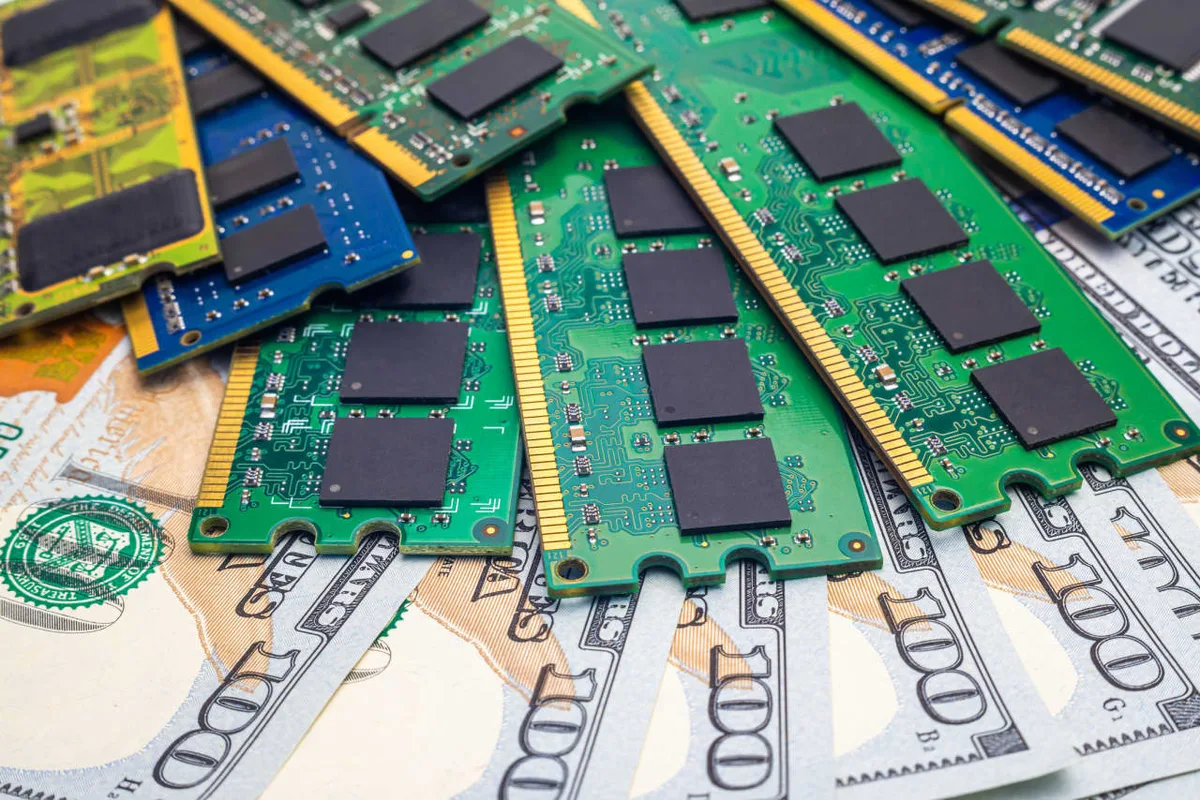
The artificial intelligence buildout has created an unexpected paradox in financial markets: the companies supplying some of the most critical hardware for the AI boom are trading at valuations that suggest investors remain deeply skeptical of their staying power. Micron Technology and other memory chipmakers are on pace for their best annual performance on record, yet their stock prices still appear cheap by conventional metrics — a tension that raises serious questions about how Wall Street is pricing the AI era.
Memory semiconductors, including DRAM and NAND flash, are foundational to the data centers and accelerated computing systems that power large language models and other AI workloads. As hyperscalers pour hundreds of billions of dollars into infrastructure, demand for high-bandwidth memory has surged, lifting revenues and margins across the sector. Yet despite that tailwind, the market continues to apply the kind of discounted multiples historically reserved for cyclical industries prone to brutal boom-and-bust swings.
Read more Dollar Index Eyes Major Breakout That Could Pressure Bitcoin →
That cyclicality discount is arguably the central narrative here. Memory chips have a long history of oversupply crises that wiped out profits almost overnight, and investors appear reluctant to abandon that mental model even as the AI demand cycle looks structurally different from prior upcycles. The question analysts are wrestling with is whether this time genuinely is different — whether AI represents a durable, multi-year demand floor — or whether the market's caution is prudent and another downturn is quietly forming beneath the surface.
For long-term investors, the gap between operating performance and stock valuation could represent an opportunity or a warning. If AI infrastructure spending remains robust and memory supply stays disciplined, the current multiples could look historically cheap in retrospect. But if the cycle turns, those same low valuations may prove to have been rational all along. The memory sector's record year is real; the debate is whether the market is being smart or simply slow to update its priors.
Continue reading at MarketWatch.com