Micron Stock Climbs as Memory-Chip Costs Squeeze Even Apple
Surging demand for memory chips is set to outrun supply in the near term, putting cost pressure on major tech buyers including Apple.
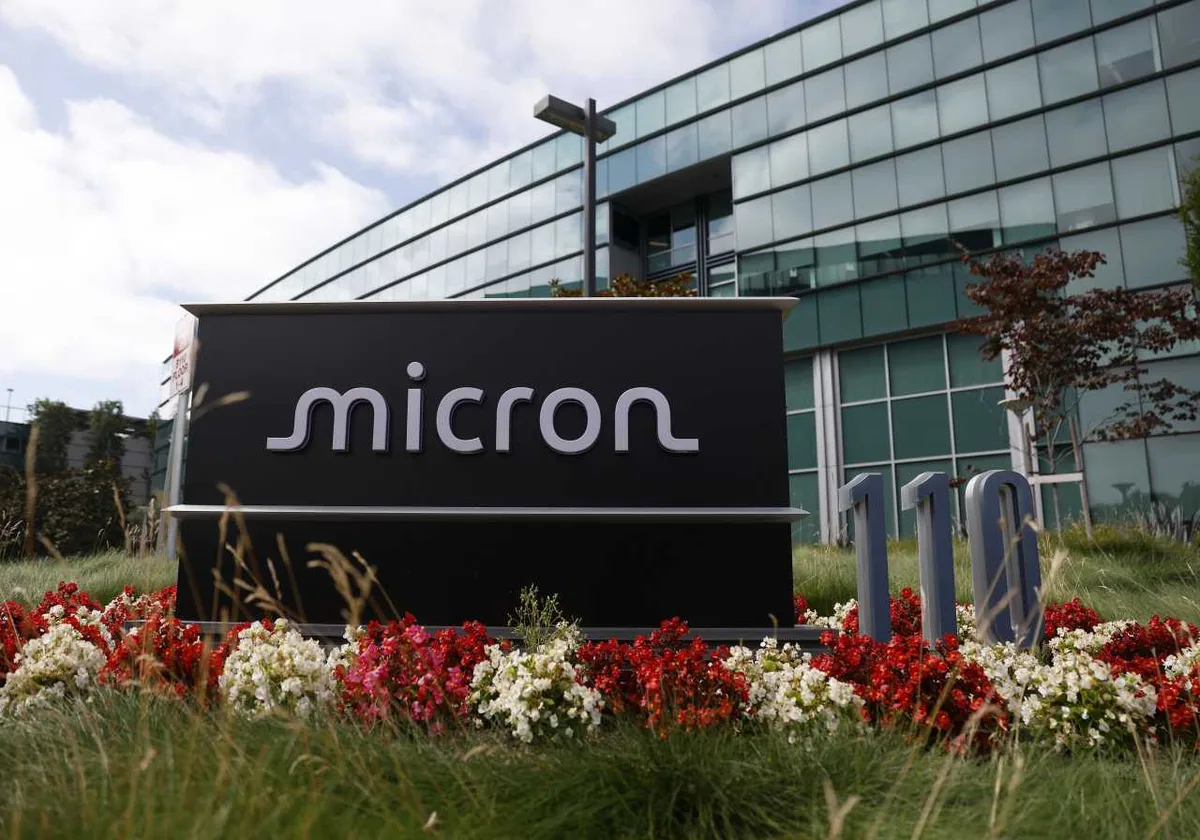
Micron Technology's stock has been climbing as Wall Street grows increasingly convinced that the memory-chip market is entering a sustained period of tight supply — one with broad implications not just for semiconductor investors but for the entire consumer electronics ecosystem. When memory costs rise, few companies can fully insulate themselves from the pressure, regardless of their size or purchasing power.
An analyst tracking the sector has warned that demand for memory chips will continue to outpace available supply in the near term, even as manufacturers work to expand production capacity. The lag between investment in new fabrication plants and actual output is a structural feature of the semiconductor industry, meaning relief is rarely immediate once a supply-demand imbalance takes hold.
Read more Dollar Index Eyes Major Breakout That Could Pressure Bitcoin →
What makes the current dynamic particularly notable is the breadth of companies exposed to it. Apple, one of the most sophisticated and deep-pocketed supply-chain managers in the world, is not immune to ballooning memory costs. For a company that ships hundreds of millions of iPhones and other devices annually, even modest per-unit increases in component costs can translate into meaningful margin pressure or difficult pricing decisions for consumers.
The broader context here is a memory market still recalibrating after years of cyclical volatility. Chipmakers including Micron have been navigating the tension between disciplined capital allocation — a lesson hard-learned from previous boom-bust cycles — and the imperative to meet accelerating demand driven by artificial intelligence infrastructure, smartphones, and data centers. That balancing act is increasingly tilting toward sellers in the near term.
For investors and tech watchers alike, the trajectory of memory pricing serves as an early-warning indicator for corporate margins across the technology supply chain. Rising costs at the component level tend to ripple outward with a delay, eventually surfacing in earnings calls and, potentially, retail prices. Continue reading at MarketWatch.com