Microsoft Raises Xbox Prices as Hardware Costs Climb
Microsoft is hiking Xbox console prices, joining Apple in passing rising component costs on to consumers.
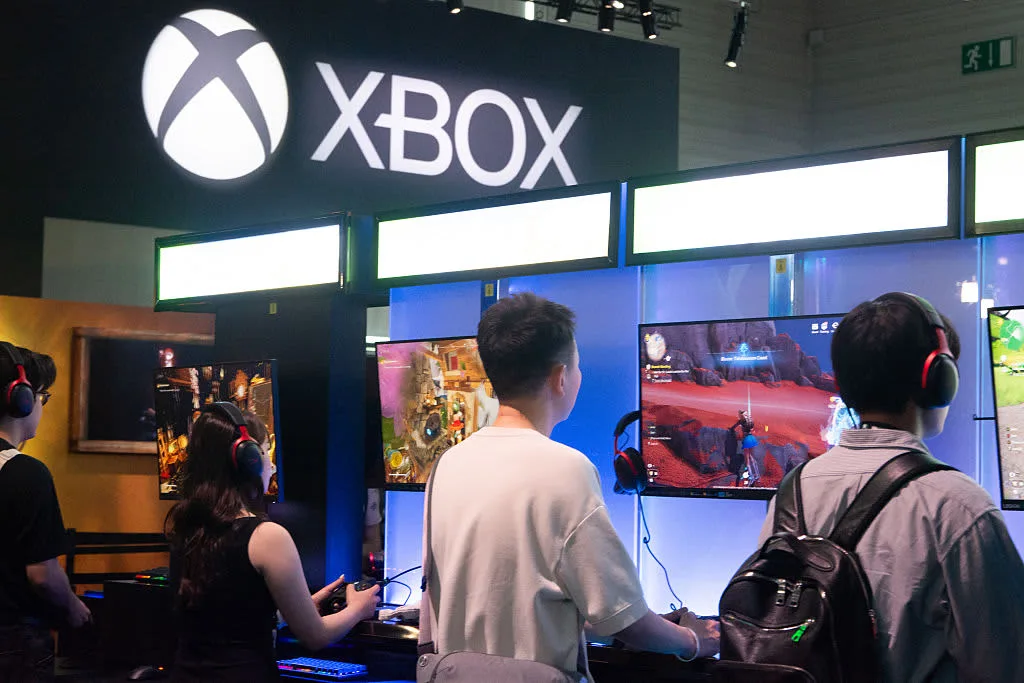
Microsoft has announced price increases for its Xbox game consoles, a move that signals growing pressure across the consumer electronics industry as hardware component costs continue to rise. The decision places Microsoft alongside Apple, which recently disclosed price hikes for its MacBook laptops and iPad tablets — suggesting the trend is broad-based rather than isolated to any single manufacturer.
The timing is notable. When two of the world's largest consumer technology companies adjust pricing in close succession, it typically reflects shared upstream pressures — whether in semiconductors, display panels, memory, or global logistics — rather than independent business decisions. For consumers, this convergence means the era of stable or declining hardware prices that defined much of the past decade may be giving way to a new, more inflationary environment for devices.
Read more Drop Shipment in SAP S/4 HANA Project Systems Explained →
For Microsoft, the Xbox price adjustment carries particular strategic weight. Gaming hardware has historically operated on razor-thin or negative margins, with manufacturers recouping costs through software and subscription revenue. A deliberate price increase suggests those traditional cross-subsidy economics are under stress, and that component inflation has grown severe enough to override the competitive incentive to keep console prices low.
The broader implication for the industry is significant. If major platform holders can no longer absorb rising input costs, smaller hardware makers — with less pricing power and thinner buffers — face even steeper challenges. Consumers shopping for consoles, laptops, or tablets in the near term should expect this repricing wave to persist rather than quickly reverse.
Continue reading at US Top News and Analysis