Midjourney Bets on 60-Second Body Scans to Disrupt Medical Imaging
The AI company known for image generation is moving into healthcare with a rapid body-scanner product pitched as an MRI alternative.
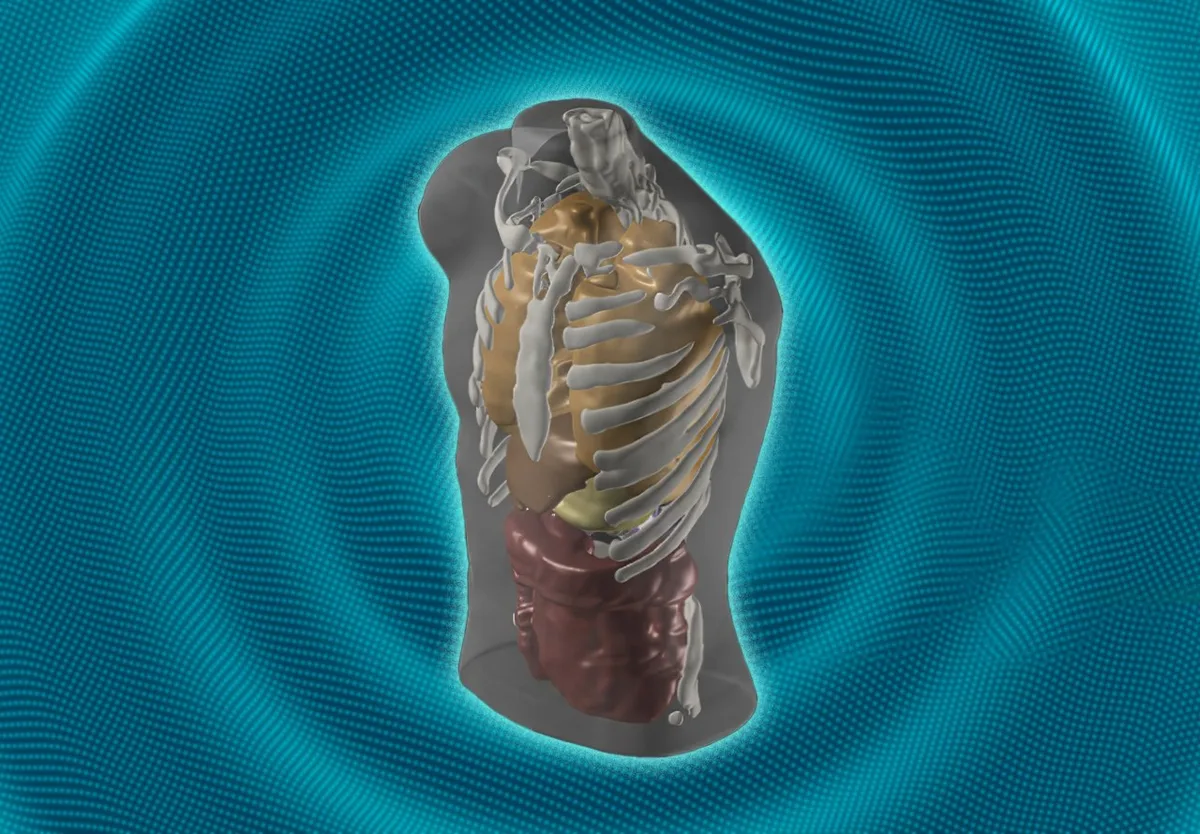
Midjourney, the artificial intelligence company best known for its text-to-image generation tools, is making an unexpected pivot into the healthcare sector. The company is developing a body-scanner product that it claims can deliver medically relevant imaging data in roughly 60 seconds — a stark contrast to the 30-to-90-minute sessions typically required for a conventional MRI scan.
The ambition behind the product is straightforward: reduce the friction, cost, and clinical bottlenecks that have long made high-quality medical imaging inaccessible to large portions of the population. Traditional MRI machines require specialized facilities, trained technicians, and significant insurance coverage or out-of-pocket expense. A faster, more consumer-friendly alternative — described with the evocative shorthand of a "spa dip" — would, in theory, democratize a category of diagnostics that has historically been reserved for acute or high-priority cases.
Read more Grocery Chain Faces Massive Fine Over Inflated Price Reporting →
The core question the technology raises is one of clinical validity. MRI's diagnostic power comes from its ability to capture detailed soft-tissue contrast using magnetic resonance — a physics-based process that, by definition, cannot be meaningfully compressed into a minute without trade-offs in resolution or scope. Whether an AI-augmented scanning approach can compensate for those trade-offs through pattern recognition and predictive modeling remains the central unresolved challenge. Regulatory approval from bodies like the FDA would be a critical — and likely lengthy — hurdle before any such device could be used diagnostically.
Midjourney's move reflects a broader wave of AI companies eyeing healthcare as the next frontier for disruption. From ambient clinical documentation to radiology interpretation, the sector is attracting investment precisely because its inefficiencies are so well documented. Whether a consumer-facing imaging product can clear the dual bar of scientific rigor and regulatory trust, however, is a question that the market alone cannot answer. The history of health-tech is littered with bold claims that dissolved under clinical scrutiny.
Continue reading at MarketWatch.com