Millions of Kids May Miss Out on 'Trump Accounts' at Launch
New 530A savings accounts launch July 4, but low signup rates suggest billions in potential wealth could go unclaimed by eligible children.
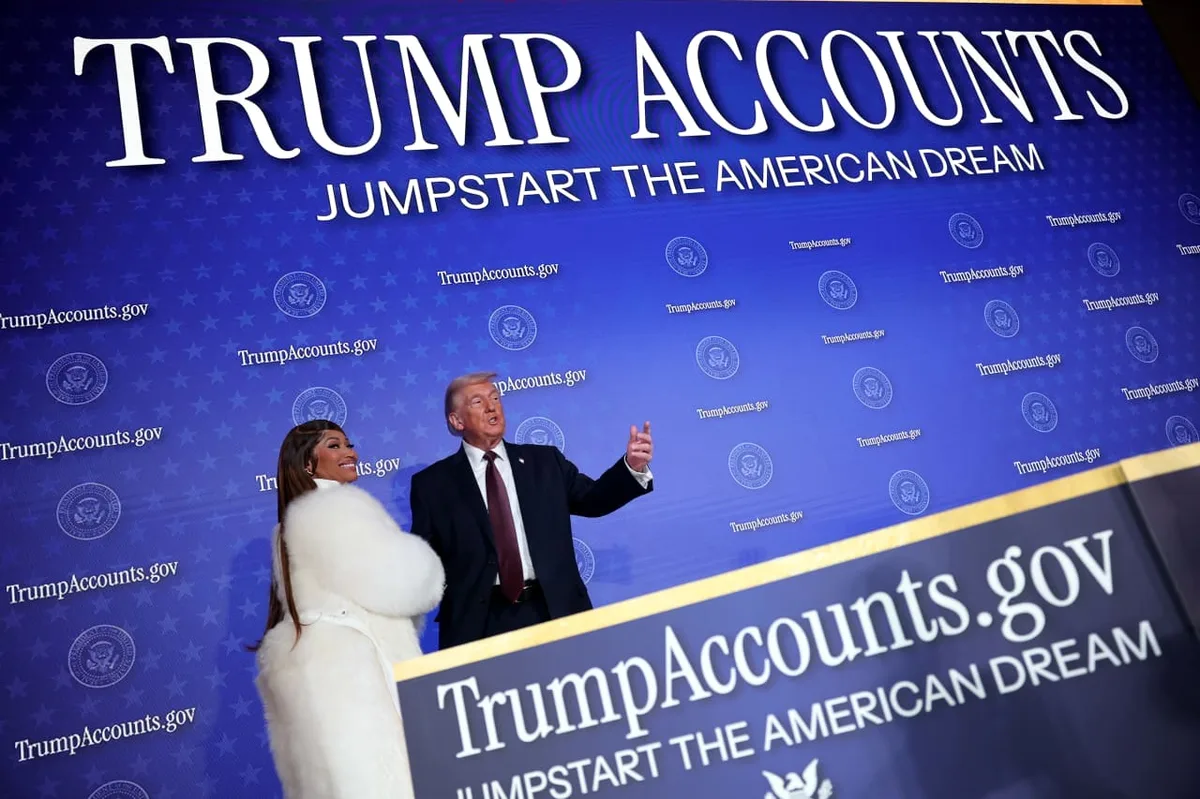
A new federally backed savings vehicle for children, formally designated the 530A account and colloquially dubbed a 'Trump account,' is scheduled to debut on the Fourth of July — but early enrollment figures suggest the program may start far below its potential reach. Only a fraction of eligible children have been signed up, raising questions about whether the initiative will achieve the wealth-building scale its architects intended.
The gap between eligibility and enrollment points to two distinct problems: awareness and acceptance. Many parents, particularly those outside the policy news cycle, remain unaware the accounts exist at all. Among those who do know, a meaningful share say they are actively choosing not to participate — a pattern that reflects skepticism about government-administered savings programs as much as it does communication failures by program administrators.
Read more Why Social Security Reform Leaves Women Most Vulnerable →
The stakes here are substantial. When compounded over the years between childhood enrollment and adulthood, even modest initial seed funds can translate into meaningful wealth. If a large share of eligible families opt out or simply never enroll, the aggregate effect is a redistribution of that compounding benefit away from the children who arguably need long-term financial assets the most. Billions of dollars in potential future wealth could remain on the table if participation rates don't improve.
The July 4 launch date carries obvious symbolic weight, but symbolism alone won't close an enrollment gap driven by structural outreach deficits. Programs like these have historically struggled with last-mile delivery — getting resources to families who are eligible but disengaged from financial or government systems. Whether the administration deploys a targeted enrollment push before and after launch will likely determine whether the 530A becomes a meaningful policy success or a well-intentioned program that underdelivers.
Continue reading at MarketWatch.com