NATO at a Crossroads: Can Europe's Defense Spending Deliver Real Power?
Allied leaders gather to debate whether higher defense budgets can translate into genuine military capability as the U.S. demands a greater European burden.
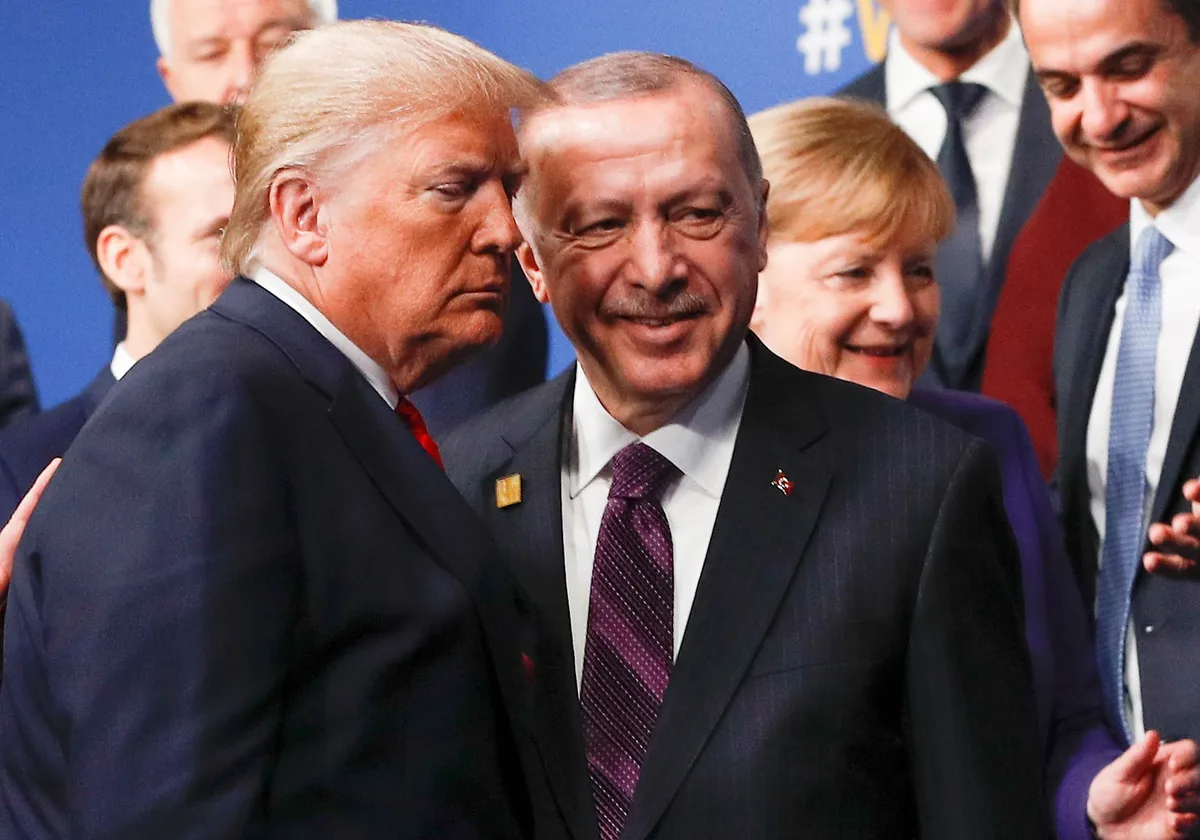
The alliance that shaped postwar security is entering what analysts are beginning to call a third iteration — one defined less by Cold War containment or post-9/11 counterterrorism than by a stark transatlantic negotiation over who pays and who fights. As NATO leaders convene, the central question is no longer simply whether European members will spend more on defense, but whether that spending will produce credible, deployable military power.
The Trump administration has made burden-sharing a defining diplomatic pressure point, pushing allies to move well beyond the alliance's long-standing 2 percent of GDP benchmark. That demand is forcing European capitals into an uncomfortable reckoning: years of under-investment have left many nations with defense budgets that look larger on paper than the combat-ready forces they actually field.
Read more Khamenei Funeral Sends a Signal About Iran's Regional Ambitions →
The gap between pledging and delivering is where this moment becomes consequential. Defense budgets can be increased through political will, but converting euros into trained personnel, modern equipment, and logistical depth takes years, sometimes decades. Critics argue that headline spending figures can mask structural weaknesses in procurement, interoperability, and industrial capacity — the very foundations that determine whether an alliance can deter or respond to a threat.
What 'NATO 3.0' ultimately represents is a rebalancing of institutional assumptions. For decades, Washington served as the alliance's de facto underwriter, providing nuclear deterrence, intelligence, logistics, and rapid-reaction forces that European members could not easily replicate. If the U.S. is signaling a genuine, durable reduction in that role — rather than a negotiating posture — Europe faces not just a spending challenge but a strategic transformation with no clear timetable.
The durability of these commitments will be tested not in summit communiqués but in procurement contracts, parliamentary budget votes, and the slow grind of defense industrial expansion over the years ahead. Continue reading at US Top News and Analysis.