Newsom Pushes National Billionaires Tax Amid Wealth Gap Debate
California's governor is calling for a federal minimum tax on billionaires and an end to tax-free lifestyle loans used by the ultra-wealthy.
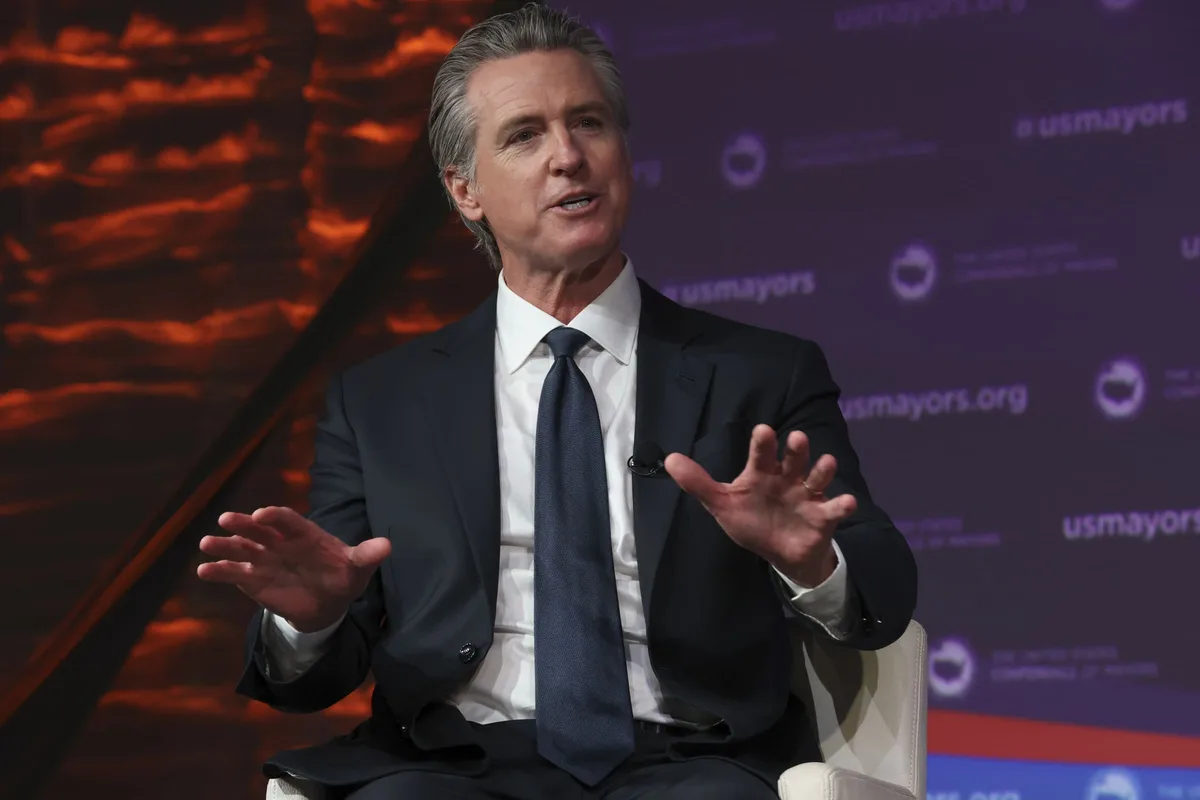
California Governor Gavin Newsom is stepping onto the national fiscal policy stage, publicly endorsing what he describes as a genuine minimum tax on billionaires and urging federal lawmakers to close the so-called "tax-free lifestyle loan" loophole that allows ultra-high-net-worth individuals to borrow against their assets and live lavishly without triggering taxable income events. His framing — "It's time for an economic reset" — signals both a moral argument and a political positioning move ahead of what many observers expect will be an active 2028 presidential landscape.
The "buy, borrow, die" strategy Newsom appears to be targeting has long been a fixture of elite wealth management. Wealthy individuals accumulate appreciating assets, use them as collateral for low-interest loans, and avoid capital gains taxes entirely by never selling. Upon death, heirs receive a stepped-up cost basis, potentially eliminating the taxable gain altogether. Critics argue this structural feature of the tax code effectively creates a parallel financial system for the ultra-rich, one largely invisible to ordinary wage earners who pay income taxes automatically through payroll withholding.
Read more Trump Threatens 100% Tariffs Over Digital Services Taxes on US Firms →
Newsom's call for a billionaires minimum tax echoes proposals that have circulated in progressive Democratic circles for years, including ideas championed by Senator Elizabeth Warren and the Biden administration's budget proposals, none of which cleared Congress. The political durability of such proposals tends to be stronger as a campaign message than as viable legislation, given Senate dynamics and sustained opposition from both Republican lawmakers and centrist Democrats wary of capital flight concerns.
What makes Newsom's intervention notable is its timing and its national scope. By explicitly calling for a federal solution rather than a California-specific one, the governor is signaling that wealth taxation is a unifying Democratic theme he intends to carry into a broader arena. Whether this translates into concrete legislative momentum or remains a rhetorical marker of the party's economic identity heading into the next election cycle remains an open question — but it is a calculated one.
Continue reading at US Top News and Analysis.