Nvidia's Next AI Rack System Pushed to 2028 Amid Manufacturing Snags
SemiAnalysis reports Nvidia's next-gen AI rack system faces delays to 2028, raising questions about the company's aggressive annual release pace.
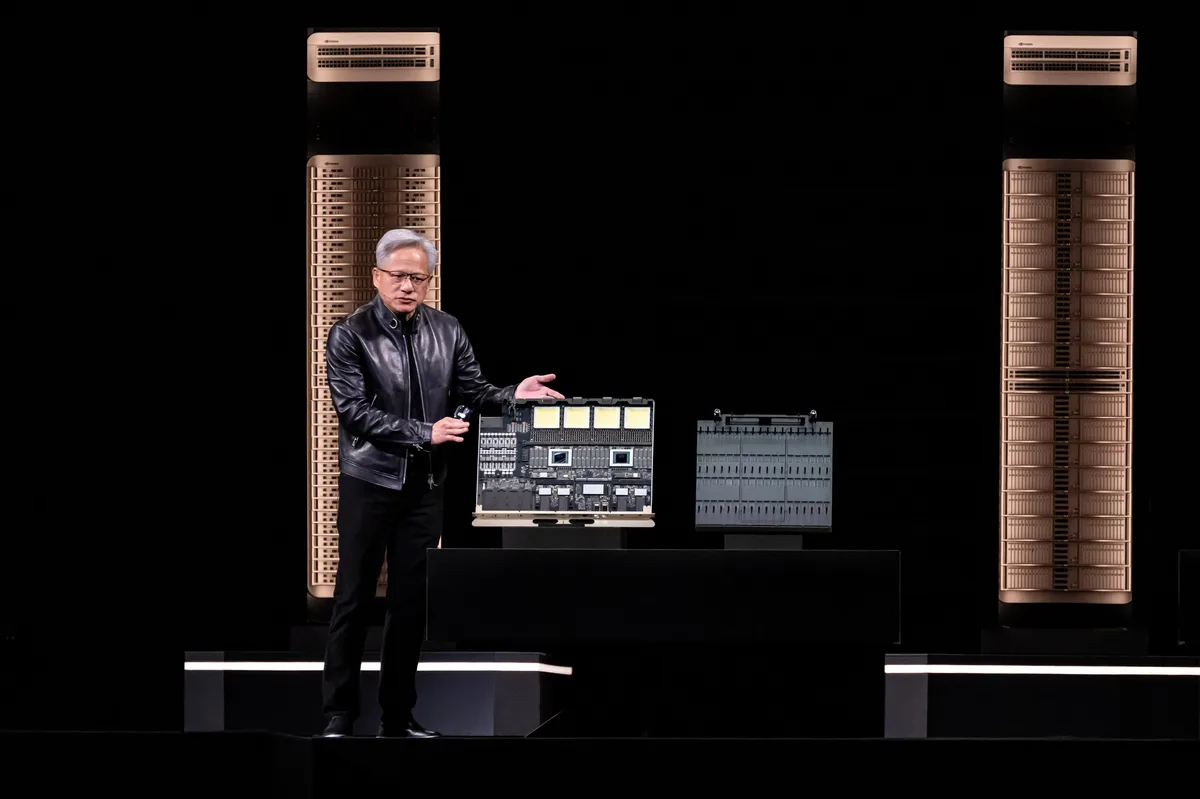
Nvidia's ambitions to maintain a relentless annual cadence in AI hardware are running into the hard constraints of physical manufacturing, according to a report from SemiAnalysis. The research firm says the company's next-generation AI rack system has been pushed back to 2028, a setback that signals the growing tension between software-driven product roadmaps and the slower, more complex realities of advanced hardware production.
The delay is notable not simply as a scheduling hiccup but as a potential inflection point for the AI infrastructure market. Nvidia has cultivated enormous competitive advantage by delivering new generations of accelerator systems at a pace that rivals struggle to match. Any disruption to that rhythm could open windows for competitors — including AMD, Intel, and a growing roster of custom chip designers at major cloud providers — to close the gap or at least slow Nvidia's dominance.
Read more Silver Prices Climb After June Jobs Report Lifts Metals →
Manufacturing snags of this kind are rarely isolated events. Advanced AI rack systems require extraordinarily precise coordination across chip fabrication, advanced packaging, thermal management, and systems integration — each layer a potential bottleneck. As AI clusters grow in scale and complexity, the engineering challenges compound, and even a company with Nvidia's resources and supplier relationships is not immune to these structural limits.
For enterprise customers and hyperscalers planning multibillion-dollar AI infrastructure investments, a two-year delay on a flagship system forces difficult recalculations around procurement cycles, capacity planning, and competitive positioning. The ripple effects could influence purchasing decisions well before 2028, as buyers weigh whether to lock into current-generation systems or hold capital in anticipation of the delayed platform.
The broader takeaway is that the AI hardware race, often framed as a pure contest of innovation, is increasingly being shaped by the unglamorous realities of supply chains and fabrication limits. Continue reading at US Top News and Analysis.