Oil Markets Rattle as Hormuz Reports Sow Confusion
Conflicting signals over the Strait of Hormuz and U.S.-Iran tensions are sending oil prices into fresh turbulence.
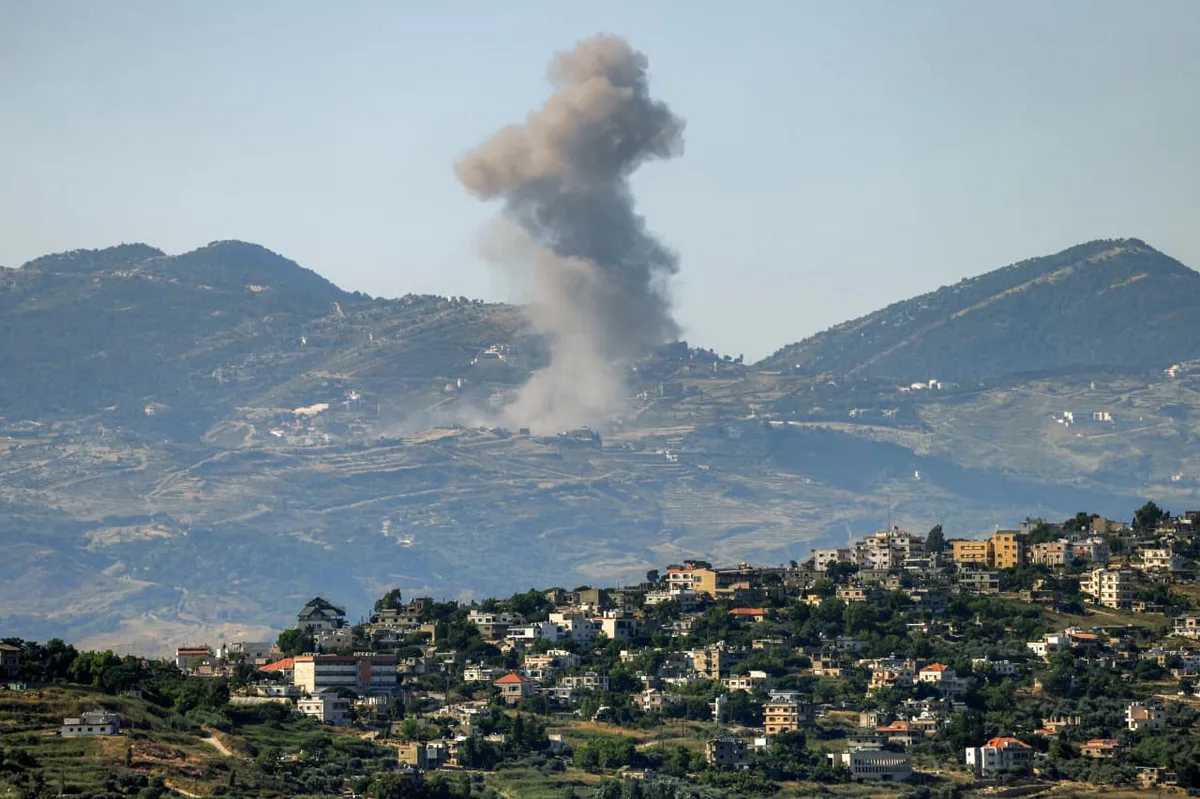
Oil markets entered another bout of sharp volatility Friday as contradictory reports about the status of the Strait of Hormuz — the narrow Persian Gulf chokepoint through which roughly a fifth of the world's seaborne oil passes — left traders scrambling to price in risk they could not clearly define. The confusion stems from a diplomatic standoff that, by most accounts, remains far from resolved.
The immediate catalyst was a cascade of conflicting headlines suggesting that a deal between Washington and Tehran may be more tenuous than officials on either side have let on. When the architecture of a potential agreement appears to shift by the hour, commodity markets tend to overshoot in both directions, punishing anyone trying to hold a steady position. That dynamic was visibly at play Friday, with prices swinging in ways that reflected uncertainty rather than any clear directional conviction.
Read more Andrew Tate's Crypto Bets Cost Him $86K in Bitcoin Losses →
The Strait of Hormuz carries outsized geopolitical weight precisely because there is no easy alternative route for Gulf exporters. Any credible threat to navigation there functions as a tax on global energy supply, one that importing nations — and their consumers — ultimately absorb. The current episode underscores how quickly a diplomatic miscalculation can translate into real-world price pressure at the pump and in industrial supply chains.
What makes this moment particularly difficult to read is the dual nature of the risk: neither a clean breakdown nor a clean resolution appears imminent. Markets may be forced to sit with this ambiguity for longer than participants would like, which historically tends to keep a risk premium embedded in crude prices even when physical supply remains uninterrupted. Analysts watching the situation note that sentiment, not fundamentals, is doing most of the driving right now.
Continue reading at MarketWatch.com