Oil Prices Ease to Pre-War Levels, but Supply Risks Linger
Crude has retreated sharply, yet analysts caution that Iranian influence over the Strait of Hormuz keeps a price rebound firmly on the table.
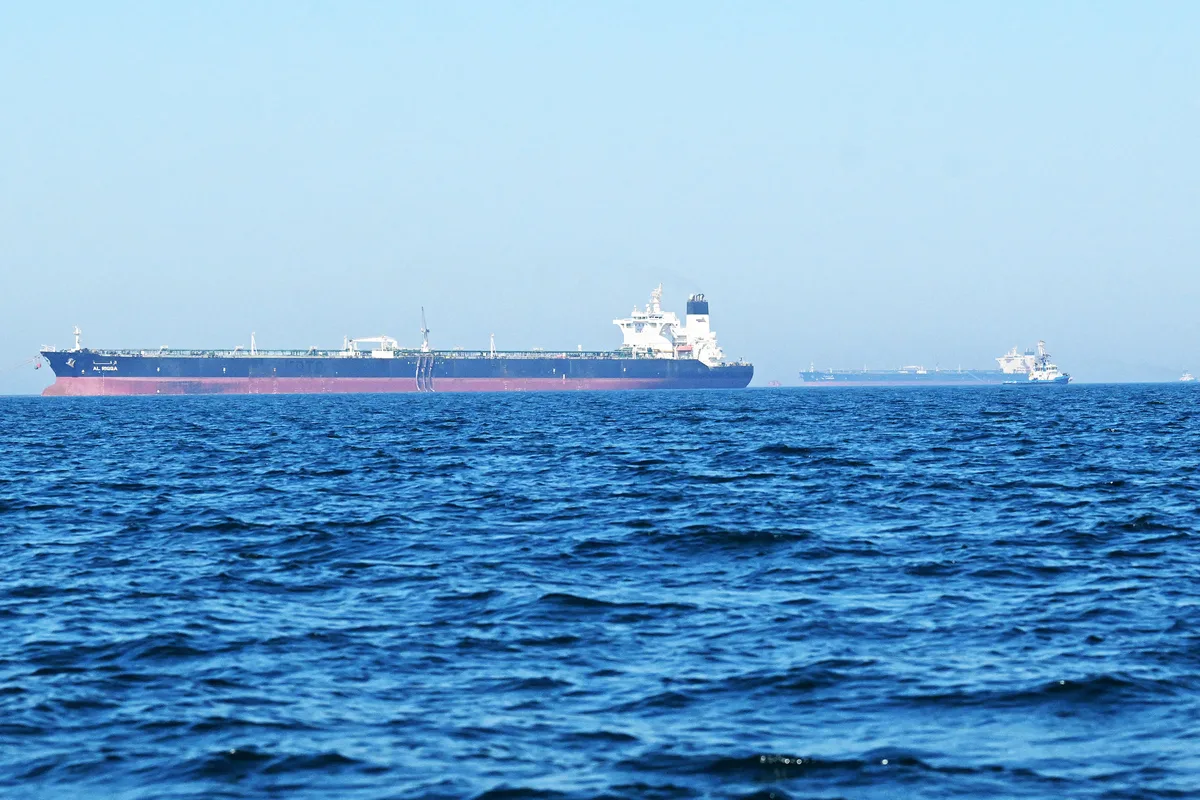
Oil markets have staged a notable retreat, with prices drifting back toward levels last seen before the most recent cycle of Middle East conflict rattled energy traders. On the surface, that looks like a relief signal for consumers and businesses still digesting elevated energy costs. But commodity strategists are urging caution, arguing that the underlying architecture of risk has not fundamentally changed.
The central concern is Iran's enduring leverage over the Strait of Hormuz, the narrow chokepoint through which a significant share of the world's seaborne crude passes daily. Analysts warn that any escalation in regional tensions could rapidly tighten supply corridors, pushing shipping costs higher and reigniting upward pressure on benchmark prices. The strait's geography alone gives Tehran a degree of structural influence over global energy flows that diplomacy has never fully neutralized.
Read more Kalshi and Polymarket May Draw M&A Interest as Prediction Markets Mature →
What makes the current moment analytically interesting is the divergence between headline price calm and the persistent risk premium embedded in forward markets. Traders appear to be pricing in a base case of relative stability while quietly hedging against tail scenarios in which Iranian actions — whether deliberate disruptions or miscalculations — send crude spiking. That tension between visible relief and latent vulnerability is a recurring feature of oil markets tied to geopolitically sensitive infrastructure.
For businesses that depend on predictable energy input costs and for policymakers managing inflation expectations, the message from commodity desks is consistent: the current softness is not a structural reset. Supply chains that run through contested maritime corridors carry a premium that does not simply disappear when spot prices ease. Any number of geopolitical triggers could convert today's relative calm into tomorrow's supply shock.
Continue reading at US Top News and Analysis