Oil Prices May Return to Pre-Iran Tensions Levels, Cramer Says
Jim Cramer argues oil is trending back toward pre-Iran conflict prices, a shift that could deliver broad economic relief.
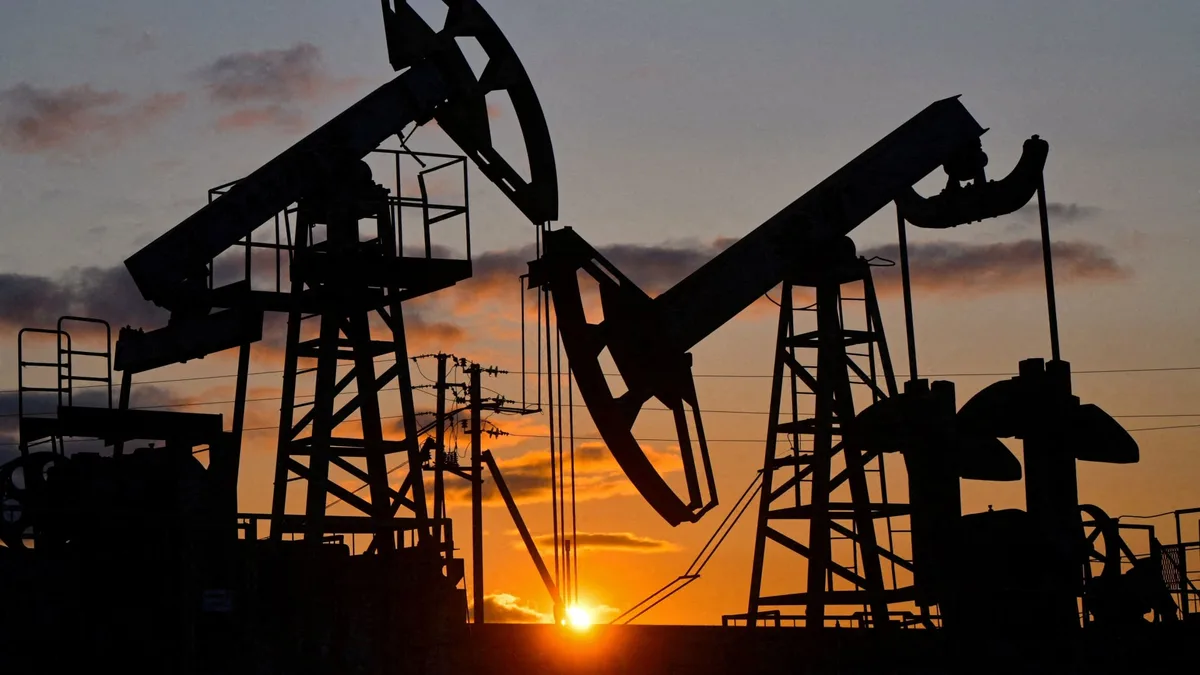
Oil markets appear to be unwinding the risk premium built up during heightened tensions with Iran, according to CNBC's Jim Cramer, who believes prices are on a trajectory back toward the levels seen before the geopolitical flare-up. For consumers and businesses alike, that directional shift carries meaningful implications well beyond the gas pump.
When oil prices fall in a sustained, structural way rather than through a brief, volatile dip, the economic benefits tend to compound across sectors. Lower energy costs reduce input expenses for manufacturers, ease freight and logistics burdens for retailers, and quietly put more discretionary income back into household budgets — a dynamic that can quietly accelerate consumer spending without requiring any policy intervention.
Read more Strategy's Dividend Crypto Stock Slides Toward Historic Lows →
Cramer's framing points to something analysts have long understood: oil is less a commodity than a macro lever. A durable decline in crude effectively functions as a tax cut distributed across the entire economy simultaneously, benefiting low- and middle-income households most acutely since they spend a higher share of their income on energy and transportation.
The geopolitical risk premium embedded in oil during periods of Middle East tension is notoriously difficult to price and equally difficult to unwind cleanly. If Cramer's read is correct and that premium is genuinely dissipating rather than simply pausing, markets may need to recalibrate expectations for inflation trajectories, Federal Reserve rate decisions, and corporate earnings forecasts across energy-dependent industries.
The broader question is whether this retreat in prices reflects a durable shift in the geopolitical environment or simply a temporary easing that could reverse quickly. Investors and policymakers would be wise to treat the signal with cautious optimism rather than assume a new baseline has been established. Continue reading at CNBC.