Oil Tops $70 as U.S.-Iran Deal Eases Middle East Tensions
A diplomatic agreement between Washington and Tehran to halt hostilities has pushed crude prices back above the $70 threshold.
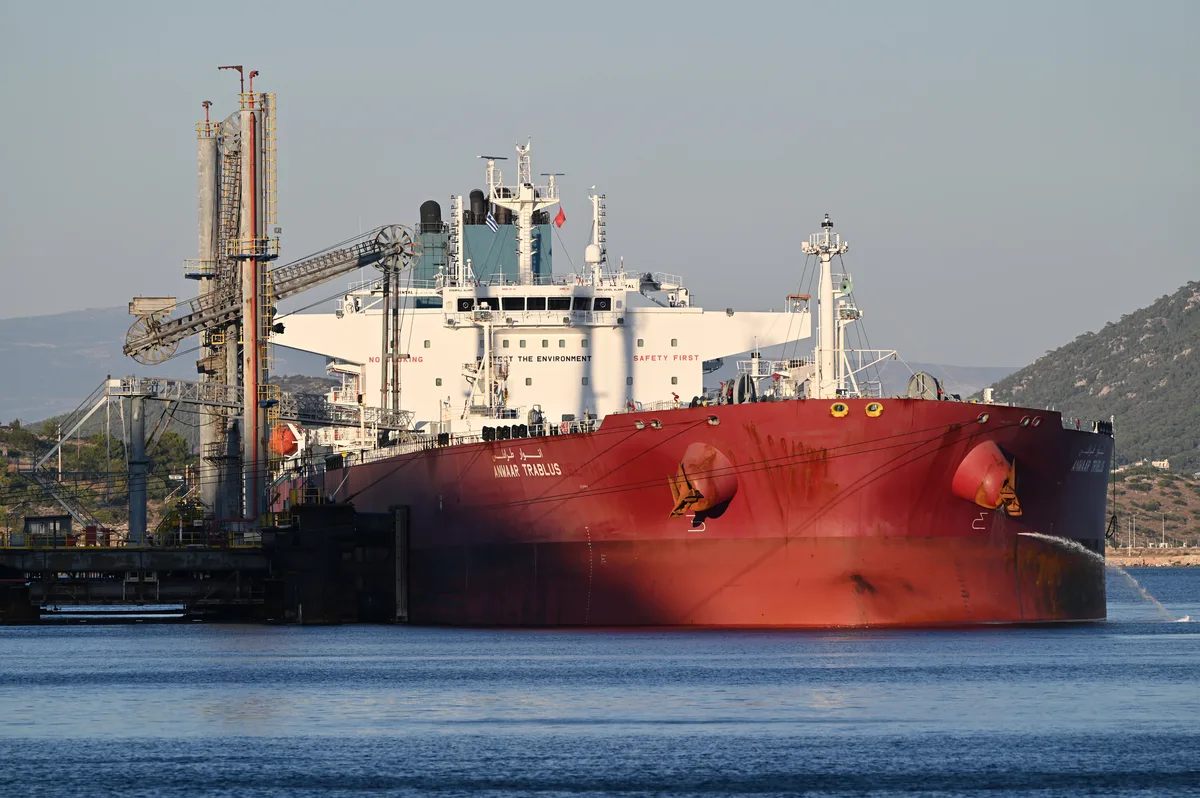
Oil markets responded swiftly to news of a diplomatic agreement between the United States and Iran aimed at halting recent hostilities in the Middle East, with U.S. crude climbing back above $70 per barrel — a psychologically significant benchmark that traders and analysts watch closely as a gauge of market sentiment.
The $70 level carries weight beyond simple numerics. When crude holds above that mark, it signals that energy markets are pricing in a meaningful degree of geopolitical risk, while a sustained break below it can indicate demand concerns or an easing of supply anxieties. The return to that threshold following a de-escalation deal underscores how sensitive global oil prices remain to any shift in Middle Eastern stability.
Read more Kalshi and Polymarket May Draw M&A Interest as Prediction Markets Mature →
Iran's role in global energy supply is considerable. The country sits atop some of the world's largest proven oil reserves, and any conflict scenario that threatens either its output or the broader security of regional shipping lanes — including the critical Strait of Hormuz — can send supply fears rippling through futures markets within hours. A credible ceasefire or diplomatic framework, conversely, tends to release that risk premium almost as quickly.
For U.S. consumers and businesses, an oil price hovering near $70 sits at an uncomfortable middle ground — not low enough to meaningfully reduce gasoline or transportation costs, but not so high as to trigger the kind of demand destruction seen during previous price spikes. Whether this diplomatic agreement holds, and whether prices stabilize or retreat, will depend heavily on follow-through from both governments in the weeks ahead.
Continue reading at US Top News and Analysis.