OPEC Chief Rejects IEA Oil Glut Warning as Hormuz Strait Reopens
The OPEC secretary-general pushed back on IEA forecasts of a supply surplus, while the Strait of Hormuz resumed critical shipping operations.
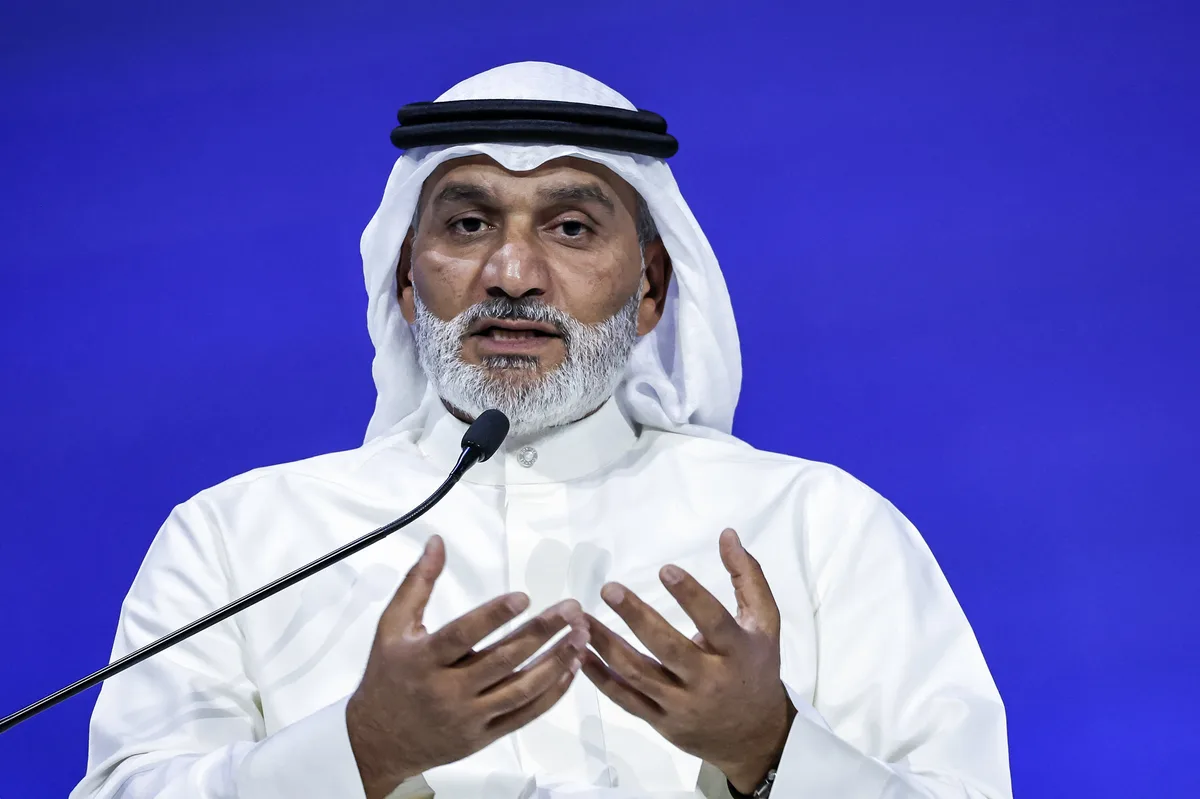
Tensions between the world's leading oil forecasters and OPEC's leadership have sharpened again, this time over what a Middle East ceasefire could mean for global crude markets. The International Energy Agency warned Wednesday that a durable resolution to regional conflict could unleash a significant wave of new supply, potentially creating a major oil overhang heading into next year — a scenario that would weigh heavily on prices and producer revenues.
The OPEC secretary-general wasted little time dismissing that projection, signaling the cartel's skepticism toward IEA modeling that the group has long viewed as biased toward demand pessimism and accelerated energy transition timelines. The pushback is consistent with a pattern of increasingly public disagreements between Riyadh-aligned OPEC voices and the Paris-based agency over the pace and scale of oil market shifts.
Read more Dollar Index Eyes Major Breakout That Could Pressure Bitcoin →
At the same time, the Strait of Hormuz — the narrow Persian Gulf chokepoint through which roughly one-fifth of the world's oil supply passes — was described as reopening under critical conditions. The strait's operational status is a market-moving variable in its own right; any disruption there sends immediate ripple effects through global energy prices, and its reopening relieves a premium that conflict risk had baked into crude valuations.
The convergence of these two developments puts markets in an analytically complex position. If the IEA's supply-surge thesis proves correct and Hormuz remains open and stable, downward pressure on oil prices could intensify — a outcome OPEC members, many of whom depend on elevated prices to fund government budgets, would be eager to prevent through coordinated production discipline. Whether the cartel has the unity to respond effectively remains the central question for energy investors watching this space.
Continue reading at US Top News and Analysis.