OpenAI Restricts New AI Models to Trusted Partners at U.S. Request
OpenAI is limiting access to its latest AI models to vetted partners, a move made at the request of the U.S. government following an advance capabilities preview.
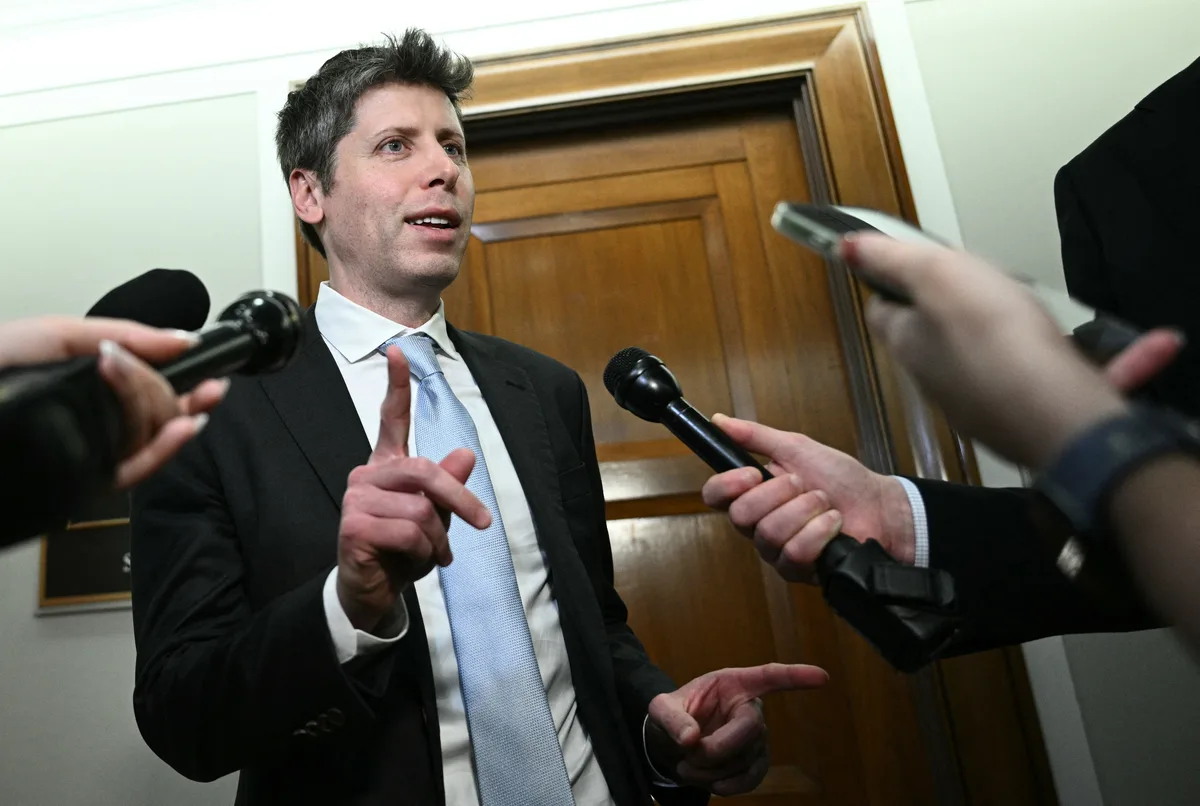
OpenAI has moved to restrict access to its newest artificial intelligence models, making them available only to a select group of "trusted partners" rather than releasing them broadly to the public — a decision the company says came at the explicit request of the U.S. government. The arrangement signals a deepening coordination between one of Silicon Valley's most consequential AI developers and federal authorities over how cutting-edge systems are deployed and who gets to use them first.
Before the public launch, OpenAI shared a preview of the models' capabilities directly with government officials, a disclosure process that mirrors the kind of pre-release briefings more commonly associated with national security technology than consumer software. The gesture reflects mounting pressure on AI companies to align their rollout strategies with broader policy and security interests, rather than racing to market without institutional guardrails.
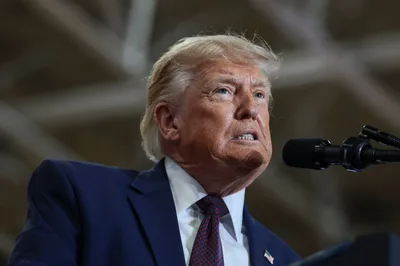
Read more Trump Threatens 100% Tariffs Over Digital Services Taxes on US Firms →
The move raises meaningful questions about the evolving relationship between the AI industry and Washington. By accepting a government request to gate its models, OpenAI is implicitly acknowledging that the capabilities involved carry risks significant enough to warrant controlled distribution — a posture that could set a precedent for how other frontier AI labs handle future releases. It also suggests regulators and intelligence agencies are paying close attention to what these systems can do before ordinary users ever interact with them.
For observers tracking AI governance, the episode illustrates how the debate has shifted from abstract policy discussions to concrete, operational decisions about access and oversight. Whether this kind of informal coordination becomes a durable norm — or a flashpoint between companies seeking commercial advantage and a government wary of adversaries exploiting advanced AI — remains an open question worth watching closely.
Continue reading at US Top News and Analysis